iWorld
India’s music royalties hit the high notes with Rs 700 crore windfall

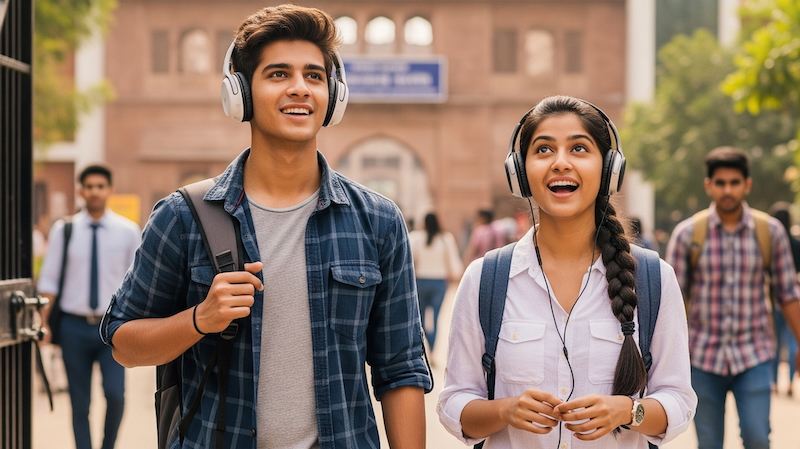
MUMBAI: India’s music scene is singing a very different tune these days—one that sounds suspiciously like cash registers ringing. Music royalty collections in India have struck a crescendo at Rs 700 crore in 2024, surging 42 per cent year-on-year and quadrupling over five years in a performance that would make even Indian cinema proud.
The star of this financial symphony? Streaming platforms, which have transformed from industry pariahs into the golden goose laying digital eggs. India’s global ranking for creators’ collections has leapt from a modest thirty seventh position in 2019 to twenty third in 2023, according to the International Confederation of Societies of Authors and Composers (CISAC) in its latest annual report. But before the champagne corks start popping in recording studios across the subcontinent, there’s a sobering reality check. Despite the impressive crescendo, India’s royalty collections remain woefully below potential for a market of this magnitude—a case of having the orchestra but missing half the instruments.
The culprit? Indians’ stubborn reluctance to pay for premium music streaming services. While platforms like Spotify, JioSaavn and Gaana are desperately trying to wean users off their freebie addiction with subscription models—backed by music labels like Saregama—the conversion rate remains sluggish.
Adding to creators’ woes is the dismal performance of non-digital revenue streams, which continue to hit bum notes. CISAC has been working overtime with the Indian Performing Rights Society (IPRS) to bring global standards to governance, licensing and royalty distribution—essentially teaching old dogs new digital tricks.

The organisations have crafted a fresh action plan for FY25, designed to explore untapped market potential and identify business opportunities. The blueprint targets improved collections from local digital services whilst diversifying revenue streams beyond the usual suspects.
With India’s creative economy finally finding its rhythm, the question isn’t whether the music will stop—it’s how loud the next movement will be.






iWorld
JioHotstar enters micro-drama space with 100 shows under Tadka banner
Short-form push targets 300M users as content meets commerce in new format
MUMBAI: JioStar has made a bold play in India’s fast-growing micro-drama space, rolling out over 100 short-form shows under its new Tadka banner on JioHotstar, timed with the massive viewership surge of the Indian Premier League 2026.
The scale of the launch signals clear intent. Rather than testing the waters, the company has dived in headfirst, releasing a wide slate of content on day one. Each show is designed for quick consumption, with episodes running 60 to 90 seconds in a vertical format tailored for mobile-first audiences.
The move comes as India’s micro-drama market, currently valued at around $300 million, is projected to grow tenfold to over $3 billion by 2030. Globally, the format has already proven its mettle, with China’s micro-drama sector recording explosive growth in recent years.
What sets this rollout apart is its built-in monetisation strategy. The shows are free to watch and ad-supported, with brand integrations woven directly into storylines from the outset. It reflects a broader shift where content and commerce are increasingly intertwined, rather than operating in silos.
The timing is equally strategic. With more than 300 million users already tuning in for IPL action, JioHotstar is effectively turning cricket’s biggest stage into a discovery engine for its new format.
The company is not entering an empty arena. Early movers like Kuku TV, MX Player and platforms backed by Zee Entertainment Enterprises have already laid the groundwork, building audiences and validating demand for snackable storytelling.
Now, with scale, distribution and advertiser interest aligning, the big players are stepping in. For JioStar, Tadka may well serve as a proving ground for the next evolution of digital entertainment, where every minute counts and every second sells.
If the bet pays off, India’s next big content wave might just arrive in under 90 seconds.






