High Court
‘India’s Daughter’ ban extended till 15 April, HC seeks MIB advisory

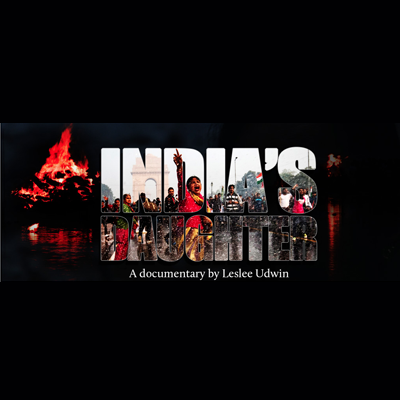
NEW DELHI: The ban on the telecast of the controversial BBC documentary India’s Daughter by Leslee Udwin about the 16 December, 2012 Nirbhaya gang rape will continue till 15 April, though the film continues to be available on the Internet.
The Delhi High Court today (18 March) asked the central government to place before the court the advisory issued by it on 3 March prohibiting exhibition of the documentary.

A division bench of Chief Justice G. Rohini and Justice R.S. Endlaw posted for 15 April the two public interest litigations (PILs) before it for revocation of the ban on the documentary’s telecast.
A different bench had yesterday declined to immediately revoke the ban on the telecast of the documentary. It said it has “no problem” about airing the documentary but the case (appeals of the convicts against death sentence) was pending before the Supreme Court.
It also observed that media trials tend to influence judges by subconsciously creating pressure.
The documentary is about the gang rape of a 23-year-old trainee physiotherapist, who was brutally assaulted in a moving bus in Delhi. The film kicked up a storm after one of the convicts Mukesh Singh justified the action.
The documentary also has comments from the convicts’ counsel A.P. Singh and M.L. Sharma, who allegedly made derogatory remarks against women and who have alreadybeen issued notices by the Bar Council of India.
The PILs said that the ban on the documentary was in clear violation of fundamental rights under Article 19 of the constitution.
They sought direction to declare as illegal the act of banning the documentary by the Home and Information and Broadcasting Ministries, and the Delhi Police commissioner.
The Centre on 3 March issued an advisory to ban the broadcast of the documentary and the trial court had banned it on 4 March until further orders.
The pleas also sought direction for the Supreme Court registry to constitute a three-judge special bench to hear the appeals of the four death row convicts, pending since 25 August, 2014.
The Supreme Court, in July, put on hold the execution of the four convicts in the case. Going by the chatter on social media, the public at large wanted to see the documentary, as within a day of it being put up on YouTube, it was viewed by more 2.86 lakh people, the pleas said.






High Court
Bombay High Court questions AI celebrity deepfakes in Shilpa Shetty case
Justice questions legality of unconsented AI personas, platforms directed to respond.

MUMBAI: The Bombay High Court just put AI on the witness stand because when a chatbot starts chatting as Shilpa Shetty without asking, even the bench wants to know who gave permission. The Bombay High Court on Wednesday expressed serious concerns over the legality of artificial intelligence tools that simulate celebrity personalities without consent, during a personality rights suit filed by actor Shilpa Shetty.
Justice Sharmila Deshmukh, hearing the matter, questioned platforms that allow users to interact with AI-generated versions of actors without authorisation. The court noted that one accused AI chatbot website continued using Shetty’s personality without permission, prompting the judge to ask about the legal basis for such operations.
When the lawyer for the AI company argued that the system relied on algorithms and did not require celebrity consent, Justice Deshmukh challenged the platform’s right to recreate and make public a person’s identity in this manner. She observed that while users uploading photographs raised one set of issues, AI systems generating content based on recognised personalities posed distinct legal and ethical questions especially when the platform itself acknowledged the content was not real.
The court directed the platform to file a detailed response explaining its position.
The case involves Shetty seeking restrictions on more than 30 platforms including e-commerce websites and AI services accused of hosting or enabling misuse of her image and circulation of deepfake content.
The Bench also raised concerns about Youtube commentary videos discussing the ongoing proceedings involving Shetty and her husband, questioning whether unverified discussions could malign parties without journalistic checks.
Counsel for Google, Tenor and the AI entity informed the court that flagged infringing URLs had been removed. Shetty’s team disputed this, leading the court to allow her to file an application alleging non-compliance if links remained active.
Tenor objected to the broad injunction sought, arguing it functions as an intermediary GIF platform without capacity for proactive monitoring. The court directed Tenor to file an affidavit opposing the order.
E-commerce platforms including Amazon stated they had removed unauthorised listings using Shetty’s name and image, and would continue to act on specific notifications.
The court reiterated that directions for intermediaries would operate on a “take-down on notice” basis, requiring removal of infringing content once flagged.
As deepfakes blur the line between real and rendered, the Bombay High Court isn’t just hearing a case, it’s asking the bigger question: in the age of AI avatars, who really owns your face?