Movies
India’s ‘Court’ to compete with films from 80 countries at Oscars

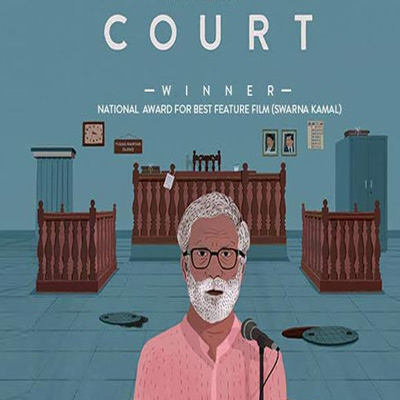
MUMBAI: India’s official entry to the Oscars – Court – will be competing with films from 80 countries in the Foreign Language Film category for the 88th Academy Awards.
The Oscars have this year received film entries from 81 countries in this category including Paraguay, which is a first-time entrant.

The Marathi language film Court is directed by Chaitanya Tamhane. Giving Court tough competition will also be renowned director Majid Majidi’s Iranian film Muhammad: The Messenger of God, which is Iran’s official entry to the Oscars this year.
On the other hand, Paraguay’s maiden film entry for the Oscars is titled Cloudy Times, directed by Arami Ullón.
The 2015 submissions for the Foreign Language Film category are:
Afghanistan: Utopia directed by Hassan Nazer
Albania: Bota directed by Iris Elezi, Thomas Logoreci
Algeria: Twilight of Shadows directed by Mohamed Lakhdar Hamina
Argentina: The Clan directed by Pablo Trapero
Australia: Arrows of the Thunder Dragon directed by Greg Sneddon
Austria: Goodnight Mommy directed by Veronika Franz, Severin Fiala
Bangladesh: Jalal’s Story directed by Abu Shahed Emon
Belgium: The Brand New Testament directed by Jaco Van Dormael
Bosnia and Herzegovina: Our Everyday Story directed by Ines Tanovic
Brazil: The Second Mother directed by Anna Muylaert
Bulgaria: The Judgment directed by Stephan Komandarev
Cambodia: The Last Reel directed by Sotho Kulikar
Canada: Félix and Meira directed by Maxime Giroux
Chile: The Club directed by Pablo Larraín
China: Go Away Mr. Tumor directed by Han Yan
Colombia: Embrace of the Serpent directed by Ciro Guerra
Costa Rica: Imprisoned directed by Esteban Ramírez
Croatia: The High Sun directed by Dalibor Matanic
Czech Republic: Home Care directed by Slavek Horak
Denmark: A War directed by Tobias Lindholm
Dominican Republic: Sand Dollars directed by Laura Amelia Guzman, Israel Cardenas
Estonia: 1944 directed by Elmo Nüganen
Ethiopia: Lamb directed by Yared Zeleke
Finland: The Fencer directed by Klaus Haro
France: Mustang directed by Deniz Gamze Erguven
Georgia: Moira directed by Levan Tutberidze
Germany: Labyrinth of Lies directed by Giulio Ricciarelli
Greece: Xenia directed by Panos H. Koutras
Guatemala: Ixcanul directed by Jayro Bustamante
Hong Kong: To the Fore directed by Dante Lam
Hungary: Son of Saul directed by Laszlo Nemes
Iceland: Rams directed by Grímur Hákonarson
India: Court directed by Chaitanya Tamhane
Iran: Muhammad: The Messenger of God directed by Majid Majidi
Iraq: Memories on Stone directed by Shawkat Amin Korki
Ireland: Viva directed by Paddy Breathnach
Israel: Baba Joon directed by Yuval Delshad
Italy: Don’t Be Bad directed by Claudio Caligari
Ivory Coast: Run directed by Philippe Lacote
Japan: 100 Yen Love directed by Masaharu Take
Jordan: Theeb directed by Naji Abu Nowar
Kazakhstan: Stranger directed by Yermek Tursunov
Kosovo: Babai directed by Visar Morina
Kyrgyzstan: Heavenly Nomadic directed by Mirlan Abdykalykov
Latvia: Modris directed by Juris Kursietis
Lebanon: Void directed by Naji Bechara, Jad Beyrouthy, Zeina Makki, Tarek Korkomaz, Christelle
Ighniades: Maria Abdel Karim directed by Salim Haber
Lithuania: The Summer of Sangaile directed by Alante Kavaite
Luxembourg: Baby (A)lone directed by Donato Rotunno
Macedonia: Honey Night directed by Ivo Trajkov
Malaysia: Men Who Save the World directed by Liew Seng Tat
Mexico: 600 Miles directed by Gabriel Ripstein
Montenegro: You Carry Me directed by Ivona Juka
Morocco: Aida directed by Driss Mrini
Nepal: Talakjung vs Tulke directed by Basnet Nischal
Netherlands: The Paradise Suite directed by Joost van Ginkel
Norway: The Wave directed by Roar Uthaug
Pakistan: Moor directed by Jami
Palestine: The Wanted 18 directed by Amer Shomali, Paul Cowan
Paraguay: Cloudy Times directed by Arami Ullón
Peru: NN directed by Hector Galvez
Philippines: Heneral Luna directed by Jerrold Tarog
Poland: 11 Minutes directed by Jerzy Skolimowski
Portugal: Arabian Nights – Volume 2, The Desolate One directed by Miguel Gomes
Romania: Aferim! directed by Radu Jude
Russia: Sunstroke directed by Nikita Mikhalkov
Serbia: Enclave directed by Goran Radovanovic
Singapore: 7 Letters directed by Royston Tan, Kelvin Tong, Eric Khoo, Jack Neo, Tan Pin Pin, Boo Junfeng, K. Rajagopal
Slovakia: Goat directed by Ivan Ostrochovsky
Slovenia: The Tree directed by Sonja Prosenc
South Africa: The Two of Us directed by Ernest Nkosi
South Korea: The Throne directed by Lee Joon-ik
Spain: Flowers directed by Jon Garano, Jose Mari Goenaga
Sweden: A Pigeon Sat on a Branch Reflecting on Existence directed by Roy Andersson
Switzerland: Iraqi Odyssey directed by Samir
Taiwan: The Assassin directed by Hou Hsiao-hsien
Thailand: How to Win at Checkers (Every Time) directed by Josh Kim
Turkey: Sivas directed by Kaan Mujdeci
United Kingdom: Under Milk Wood directed by Kevin Allen
Uruguay: A Moonless Night directed by German Tejeira
Venezuela: Gone with the River directed by Mario Crespo
Vietnam: Jackpot directed by Dustin Nguyen
The 88th Academy Awards nominations will be announced live on 14 January, 2016 at the Academy’s Samuel Goldwyn Theater in Beverly Hills.
The 88th Oscars will be held on 28 February, 2016, at the Dolby Theatre in Hollywood. The Oscar presentation will be televised live in more than 225 countries and territories worldwide.






Movies
Green Gold Animation creates CG character for Telugu film Rākāsā
Chhota Bheem studio expands into mainstream VFX with dialogue-free digital lead.
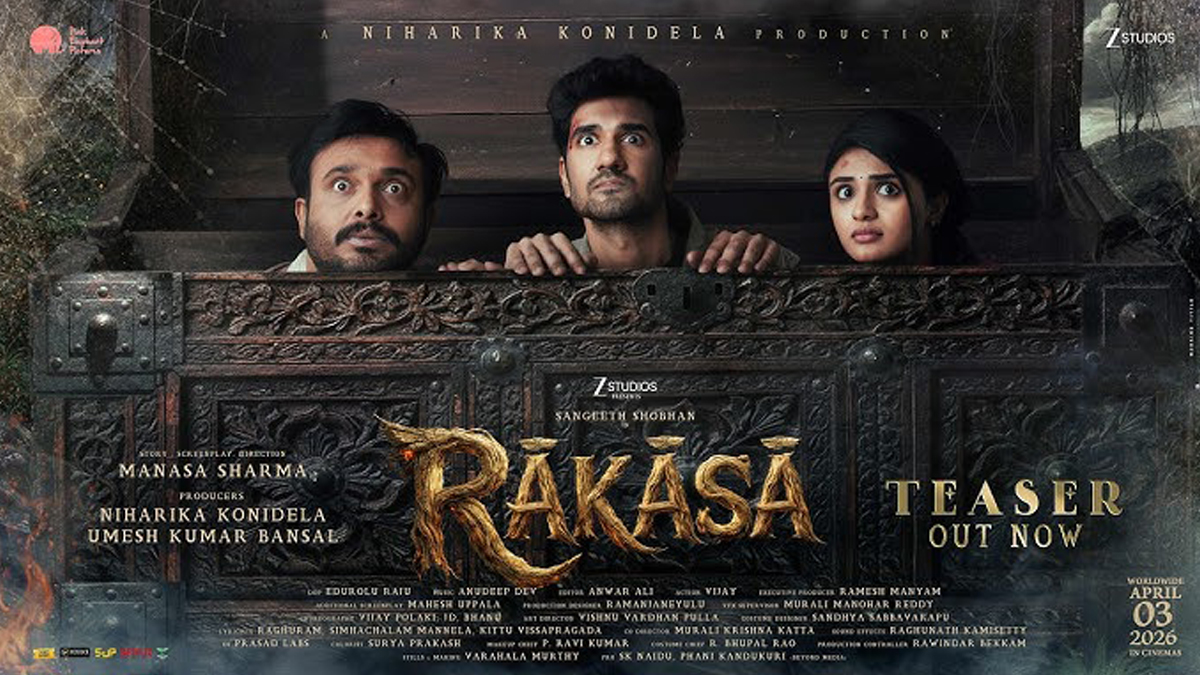
MUMBAI: Green Gold Animation, the house that gave India Chhota Bheem, is now stepping out of the kids’ zone and into the big screen with a rather silent but powerful performer. The Hyderabad-based studio’s VFX division has delivered a fully computer-generated character for the upcoming Telugu-language comedy-fantasy thriller Rākāsā, set for theatrical release on 3 April 2026. Directed by Manasa Sharma and produced by Niharika Konidela under Pink Elephant Pictures in collaboration with Zee Studios, the film marks a notable move for Green Gold into complex, character-driven work for mainstream cinema.
What makes the project stand out is its ambitious central character, a completely digital creation that does not speak a single line. Instead, the character relies entirely on animation, movement, facial expressions and body language to convey emotion and connect with audiences. This is a relatively unexplored approach in Telugu cinema at this scale.
Green Gold’s VFX team was involved from early pre-production through to final delivery, completing over 750 CG shots with a team of more than 100 artists. The work included detailed character animation, performance design and fluid simulations, all executed within tight timelines and practical budgets through strong planning and close collaboration.
Green Gold Animation founder & CEO Rajiv Chilaka said the project pushed the team to approach character creation differently. “Building a fully digital character where every emotion had to come through performance and detailing was very meaningful,” he noted.
Green Gold VFX supervisor and VFX creative director Murali Manohar Reddy added that the emotional depth had to be communicated entirely through visual performance. “This wasn’t about reinventing technology, but about using our tools and processes with precision to serve the story,” he said.
Producer Niharika Konidela praised the collaboration, saying the Green Gold VFX team understood the vision and brought strong detail and emotion to the character while working within practical constraints.
The film blends humour, action and mythological elements, following an NRI protagonist on a chaotic and magical adventure. It stars Sangeet Shobhan, Nayan Sarika, Vennela Kishore, Brahmaji and Ashish Vidyarthi, with music by Anudeep Dev.
For a studio best known for colourful kids’ animation, delivering a silent, emotionally expressive CG lead for a mainstream theatrical release is quite the plot twist. With Rākāsā, Green Gold Animation is quietly proving it can speak volumes even without dialogue.






