International
Indian films to shine at Moscow International Film Week

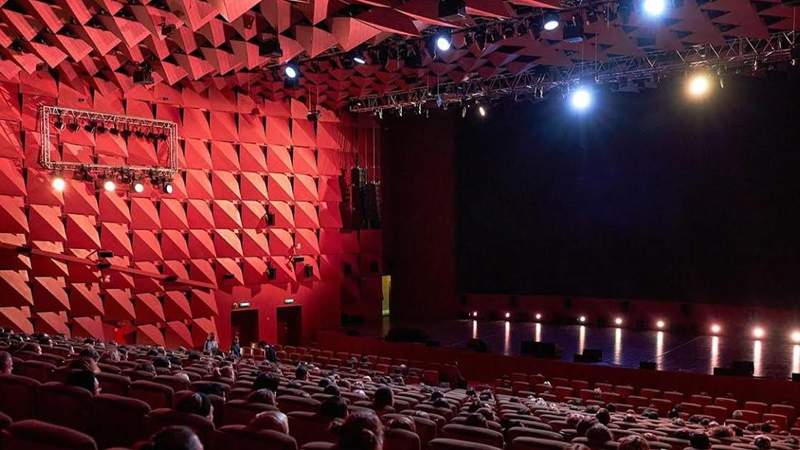
Mumbai: From 23 to 28 August, India will participate in Moscow International Film Week (MIFW). The event will transform Russia’s capital into a vast cinematic hub, featuring 18 Indian films and a host of representatives from the Indian film industry. Organised by the Moscow Department of Culture and the Agency of Creative Industries, MIFW aims to expand creative and professional contacts creative and professional contacts, as well as cooperation in the field of cinema.
With participation from over 40 countries, including distinguished delegations from India, China, Turkey, Iran, Egypt, Thailand, and CIS countries, the festival promises to be a major event for the international community.
In addition to Indian films, the Moscow International Film week will feature over 300 screenings, showcasing Russian and more than 70 international films.

“Moscow International Film Week will be held at 100 venues presenting about 200 events every day. The event will introduce Russians to the latest Indian films and will contribute to the creation of joint projects between Moscow and India, as a large business program is planned and the Indian delegation is one of the largest. Moscow is an attractive choice for Indian productions – Russia offers effective production facilities, digital and logistical support.
Several film festivals will coincide with Moscow International Film Week, offering visitors the chance to see films produced in Russia. Screenings will take place at various venues, from traditional cinemas to unique locations such as open-air pools, hotel rooftops, parks, and floating cinemas, providing a diverse viewing experience”, said Minister of the Moscow Government and Head of the Department of Culture of the City of Moscow Alexey Fursin.
The event will be attended by actors, directors and producers from different countries, including Indian film producer Swapna Dutt ang film director Nag Ashwin.
Spotlight on Indian Cinema
Moscow International Film Week will feature an impressive lineup of eighteen Indian films reflecting the vibrant and diverse nature of Indian cinema. Among the highlights are:
● RRR: Rise Roar Revolt.
● Kalki 2898-AD.
● Baahubali: The Beginning.
● Baahubali 2: The Conclusion.
● Maidaan.
● Aatmapamphlet.
● The Brittle Thread.
Indian delegations visiting MIFW will have the opportunity to explore Moscow’s exceptional film infrastructure. The city boasts the Moskino Production & Experience park, the upcoming METMACH Cinema Creative Center, and several other state-of-the-art facilities. This infrastructure, together with 13 cinemas of Moskino Cinemas, all part of the Moscow Film Industry Cluster «Moskino», supports filmmakers with grants, incentives, and comprehensive services, such as Moskino Digital Platform and the Moskino Film Commission, making Moscow a prime location for full-cycle film production.


International
Russia-India cinematic spectacle Persimmon of My Love set for grand Moscow debut
Hindi cinema style musical revives Indo-Soviet cinema ties for today

MUMBAI: A new chapter in cross-border storytelling is set to unfold as Persimmon of My Love gears up for its premiere in Moscow on 1 April 2026, marking the first large-scale cinematic collaboration between Russia and India in decades.
Positioned as a modern nod to the cultural exchange that once brought Indian classics to Soviet audiences, the film blends Hindi cinema flair with Russian storytelling, aiming to rekindle a long-standing cinematic friendship.
Directed by Marius Weisberg, the musical comedy follows two brothers navigating a lively world of music, family and romance. The lead roles are played by Demis Karibidis and Mikhail Galustyan, with Karibidis also contributing as a screenwriter.
Shot entirely in India, the production leans heavily into Hindi cinema style spectacle. Filming took place across Mumbai studios and the cities of Udaipur and Jodhpur, whose architecture was used to create the fictional setting of Khurmada. A crew of over 350 worked on the project, with large-scale sequences featuring up to 1,000 extras.
The film also brings Indian creative talent into the mix. Dance sequences are choreographed by Jay Kumar, while music by Zurab Matua features songs in both Hindi and Russian, adding to its cross-cultural appeal.
Backed by TNT channel, MyWayStudio and the Russian Cinema Fund, the project reflects a broader push to strengthen cultural ties between the two countries.
With its mix of colour, comedy and cross-border collaboration, Persimmon of My Love is not just a film release but a reminder that cinema, much like music, travels well across borders.






