Hindi
Indian American filmmaker and stage director Krishna Shah passes away

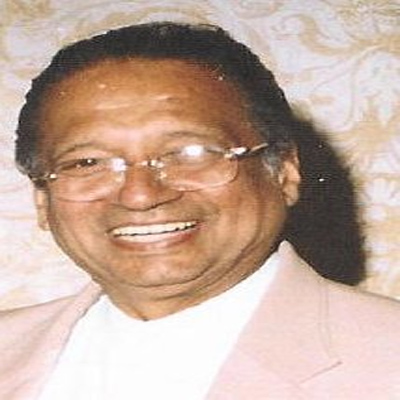
Indian American filmmaker Krishna Shah, who had made several films in India before immigrating to the United States where he gained fame in Hollywood and the Broadway stage, passed away earlier this week in Mumbai.
Aged 75, he had been ill since he suffered a stroke last year.
Shah is best remembered in India for ‘Shalimar’, which he wrote and directed in 1978. It starred Dharmendra, Zeenat Aman, O P Ralhan, Shreeram Lagoo, Rex Harrison, Silvia Miles, John Saxon, Shammi Kapoor, Prem Nath, and Aruna Irani among others.
Other films that he is remembered for include ‘Cinema Cinema’, a documentary about Bollywood that screened at the Director’s Fortnight at Cannes which he co-wrote and directed; ‘Hard Rock Zombies’, released by Cannon; and ‘American Drive-In’, which he also co-wrote, directed and produced. Indian films included ‘Ramayana: The Legend of Prince Ramayana’ (1992), which he re-wrote as ‘The Prince of Light’ in 2000 when it was directed by Yugo Sako.

In the last few years, Shah had been more involved with films about India, and had been working since 2009 on the research on an ambitious biopic of former Prime Minister Indira Gandhi.
He held a series of story-telling seminars for aspiring filmmakers in Mumbai; while he also helped fledgling diaspora filmmakers such as Harish Saluja and Nagesh Kukunoor by presenting the films at festivals and in the marketplace in India.
Born in India and a graduate of Yale and UCLA, Shah was probably the first Asian-American writer/director/producer to win critical acclaim both in Hollywood and on Broadway.
He co-authored and directed a South African stage play called ‘Sponono’ on Broadway, and adapted and directed an adaptation of Rabindranath Tagore’s ‘The King of the Dark Chamber’ which ran for a year and received two OBIE awards.
Other off-Broadway productions included Kalidasa’s ‘Shakuntala’, Athol Fugard’s ‘Bloodknot’ and Milton Hood Ward’s ‘Kindly Monies’ staged at the New Arts Theatre in London.
His screenplays included ‘Island in Harlem’ for MGM, ‘April Morning’ for Samuel Goldwyn Jr. and the psychiatric thriller ‘Rivals’ which he also produced and directed. ‘River Niger’ starring Cicely Tyson, James Earl Jones and Lou Gosset Jr. earned awards at festivals and a Golden Globe nomination as well. His animated feature film ‘The Prince of Light’ was long listed for the 2002 Academy Awards in its feature animation category.
He was known in American television as well, having written and/or directed several hit shows such as ‘The Man From UNCLE’, ‘Love American Style’, ‘The Flying Nun’ and ‘The Six Million Dollar Man’; and was an entertainment entrepreneur who served as president and CEO of Double Helix Films, the Carnegie Film Group and MRI Inc., a production and distribution company.







Hindi
ZEE5, Applause announce new film Everybody Loves Sohrab Handa
Rajat Kapoor’s dark comedy thriller to stream on ZEE5 from April 10
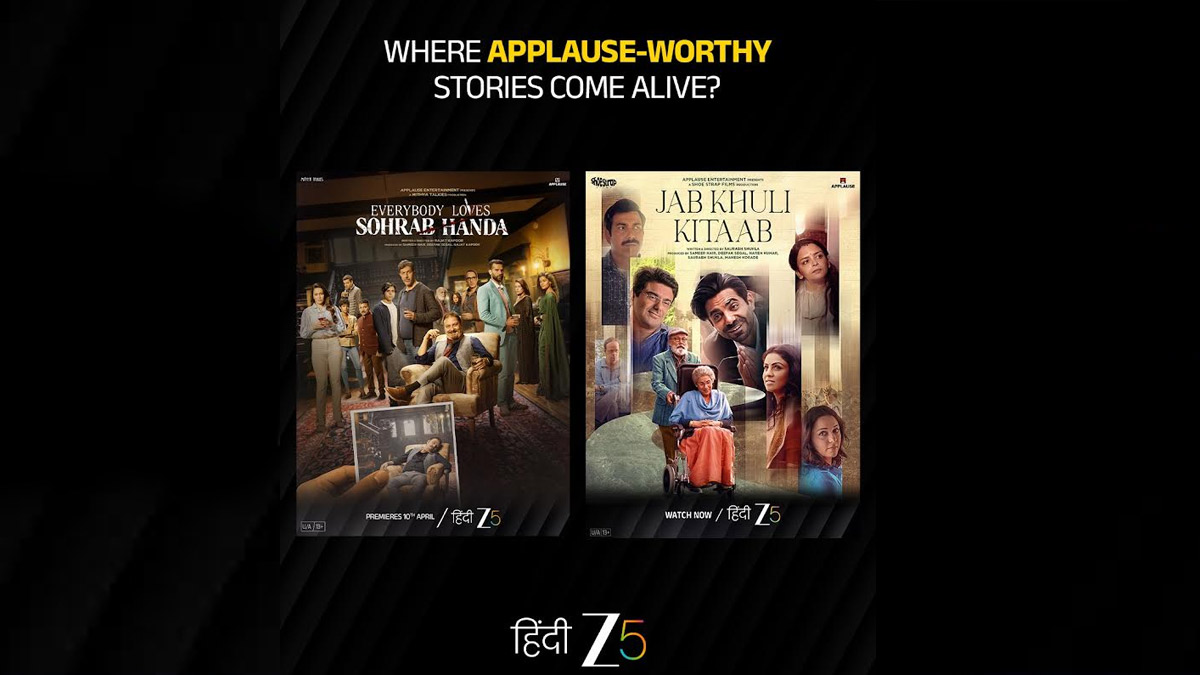
MUMBAI: ZEE5 and Applause Entertainment have announced their next direct-to-digital collaboration, Everybody Loves Sohrab Handa, a darkly comic whodunnit set to stream from April 10.
Produced in association with Mithya Talkies and written and directed by Rajat Kapoor, the film marks the latest addition to a growing slate of genre-diverse titles from the two partners. Their previous collaborations include dramas, psychological thrillers and dark comedies, with this outing leaning into a layered murder mystery.
The film features an ensemble cast including Vinay Pathak, Ranvir Shorey, Waluscha De Sousa and Saurabh Shukla, among others. The narrative promises a mix of satire, strained relationships and hidden tensions, inviting viewers to look beyond the crime to the dynamics that lead up to it.
ZEE5 business head hindi and chief channel officer Andtv Kaveri Das said, “Our collaboration with Applause Entertainment has been instrumental in building a strong slate with titles such as Bloody Brothers, Mithya and Jab Khuli Kitaab. Everybody Loves Sohrab Handa is a natural progression, aligning with our focus on genre-led content that resonates with audiences.”
Applause Entertainment business head movies Sunil Chainani said, “This collaboration with ZEE5 continues to stand out for its diversity of genres and narrative styles. Everybody Loves Sohrab Handa adds a sharp, darkly comic whodunnit to that mix, driven by Rajat Kapoor’s distinct voice.”
Sharing his creative approach, Rajat Kapoor said he was drawn to the emotional layers behind the genre. “I was interested not just in the mechanics of a whodunnit, but the emotional violence that precedes physical violence. These are people who appear close, yet carry unspoken tensions that eventually surface.”
The partnership between ZEE5 and Applause continues to build on a shared focus on distinctive storytelling, with each project exploring a different tone and genre.
With its mix of humour, tension and ensemble storytelling, the film aims to offer more than just a mystery. It promises a closer look at the secrets people keep, and the consequences when they finally come to light.






