News Broadcasting
India needs to explore animation, gaming sector: Kiran Karnik

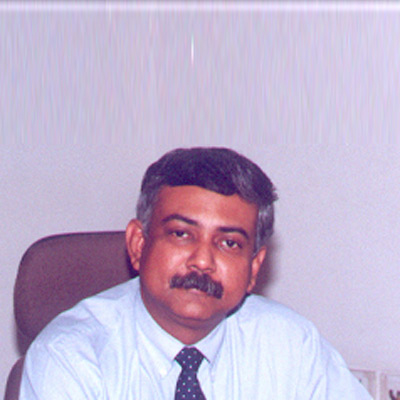
NEW DELHI: India has a strong footing in entertainment and IT segments, but has failed to make much progress in allied sectors like animation and gaming and support from the government is needed for the industry to go global, said Nasscom president and former country head of Discovery India Kiran Karnik.
Speaking today at the FICCI Frames Knowledge series seminar on “Career Opportunities in Animation and Gaming” Karnik said considering the large pool of talent and the growing market of TV and other visual entertainment in India, it is a “disappointing factor that India has succeeded little in developing high value items.”
Nasscom (National Association of Software and Services Companies) is an apex body of IT software companies in India.

Elaborating on the enormous opportunities that exist in the animation and gaming sectors, Karnik pointed out that market has been expanding phenomenally and “currently there is a strong imbalance exists in demand and supply of animated products.
“The emerging opportunity for high value products are enormous in terms of domain specialisation and simulation, but creative talent and skills are insufficient to meet the demand that exist now,” Karnik said.
Also in the field of architecture, the animation technology upgradation from two dimension to 3-dimension and the walk-throughs, which give effects of reality, is providing opportunities for career seekers.
Talking about the challenges that India faces in the global animation market, Karnik said that transforming India into a credible base for high quality animated products with quick delivery will change India’s position.
“Once India is developed as a credible destination of supply, the demand will take it to greater heights and Indian animation will be at par with Indian IT sector in the global market,” he said, adding, that India will then move from the position of a product provider to the level of product developer with its won intellectual property rights.
For achieving this supporting factors like effective marketing, development of world-class institutes that trains talents in the field of animation and scriptwriters, who can produce script, which is cross-cultural and acceptable to the markets, plays a vital role, Karnik pointed out.
He also called for government intervention by way of providing adequate support and incentives like direct subsidy and announcement of policies that can enhance the demand so that the sector becomes a competitive one.
Animation experts who participated in the seminar said that the countries advanced in animation are looking for the area with maximum potential 2-D animation. India should pitch for this segment if it wanted to be noticed in the international animation scenario. Actual animation production is done in 2-D, which normally required 15,000 to 18,000 drawing and when these are put together, they contribute to a 22-24 minutes animation episode.
Looking at it from the costing perspective, a 22 to 24- minute episode would cost between $ 200,000 and $250,000 in the US and Canada, while in Europe it would cost $250,000 to $300,000.
The experts said that a similar project in an Asian country, however, would work out between $50,000 to $75,000.
In 2-D animation, at the moment, most of the pre-production is done in the West. India does not really figure in the picture except for a few companies and is competing with countries like China, Philippines and Korea.




News Broadcasting
WITT Summit 2026 concludes in New Delhi
Babar Azam’s comical diving attempt goes viral as league introduces anti-dew measures.
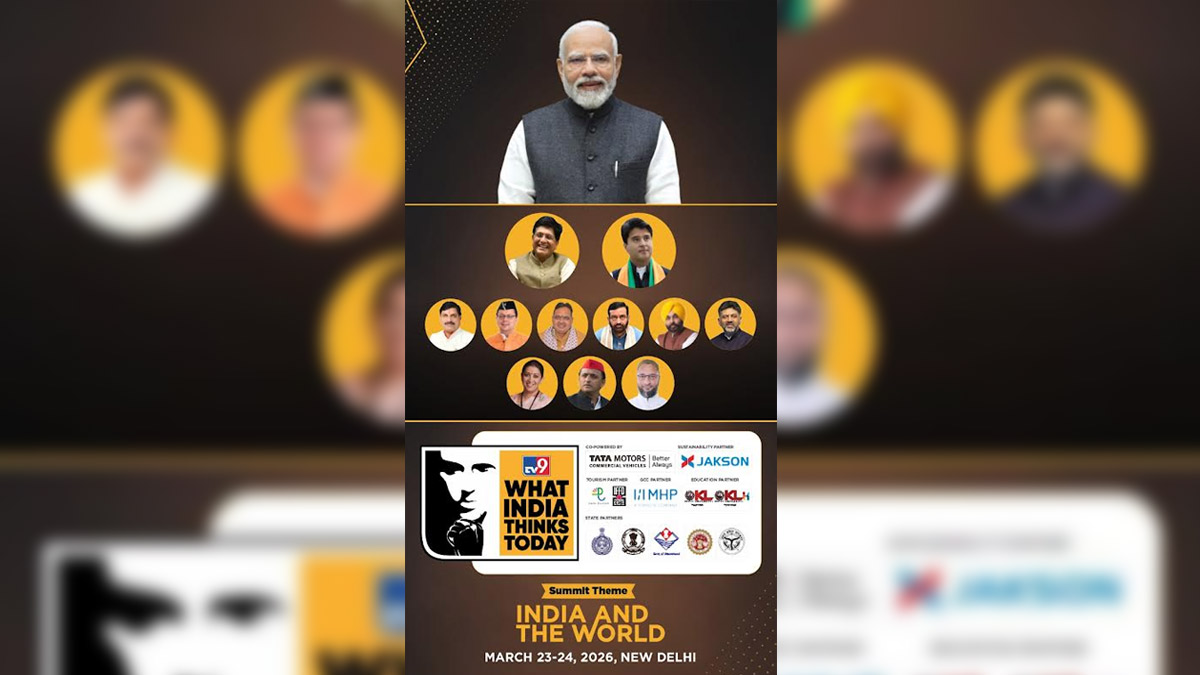
MUMBAI: The WITT Summit just wrapped up with enough big ideas to fill a policy playbook because when India’s leaders, thinkers and icons gather under one roof, even the conversations hit sixes. The eighth edition of TV9 Network’s flagship What India Thinks Today (WITT) Summit 2026 concluded on Saturday after two days of dynamic discussions at its New Delhi venue. India’s largest multi-domain public policy and culture summit brought together political leaders, policymakers, sports icons, artists and technology innovators to examine the forces shaping contemporary India and its global standing.
Prime minister Narendra Modi delivered the keynote address on the theme “India and the World” for the third consecutive year. In a wide-ranging speech, he addressed the ongoing conflict in West Asia, calling for restraint and compassion while highlighting India’s continued development trajectory despite global turmoil.
The summit featured candid conversations with state leaders. Telangana Chief Minister A. Revanth Reddy articulated a people-first governance model and contrasted it with other development approaches. Madhya Pradesh Chief Minister Mohan Yadav declared that Left-wing extremism had been effectively eliminated in his state and highlighted preparations for the upcoming Kumbh Mela. Punjab Chief Minister Bhagwant Mann defended his government’s record, citing the closure of 19 toll plazas and creation of the Sadak Suraksha Force. Karnataka Deputy Chief Minister D.K. Shivakumar expressed confidence in Congress prospects in Assam and addressed recent allegations against him.
On geopolitics and national security, Union Minister Jyotiraditya Scindia outlined India’s ambition to become a builder of trusted digital infrastructure for the world, citing the rapid 5G rollout and village-level 4G connectivity.
Cricket received significant attention. Former India captain Sourav Ganguly praised player freedom and trust as hallmarks of great leadership and named MS Dhoni as the greatest captain due to his World Cup successes. India women’s team bowling coach Aavishkar Salvi credited the BCCI and Women’s Premier League for building a pipeline of world-class talent behind the team’s recent ODI World Cup triumph.
The summit also hosted the inaugural AI² Awards 2026, celebrating the convergence of human creativity and machine intelligence in storytelling and content creation. Poet and kathavachak Kumar Vishwas delivered a nuanced take on India’s concept of Dharma and criticised the recent arrest of an 80-year-old Shankaracharya. Veteran lyricist Sameer Anjaan and storyteller Neelesh Misra reflected on changing music trends and artistic responsibility in the wake of a recent controversy involving Nora Fatehi.
In a country where conversations often run as deep as the Ganges, the WITT Summit proved once again that when leaders, thinkers and storytellers come together, the real winner is public discourse lively, layered and refreshingly unafraid to tackle the big questions shaping India’s tomorrow.








