Hindi
India loses its most charismatic actor Dev Anand

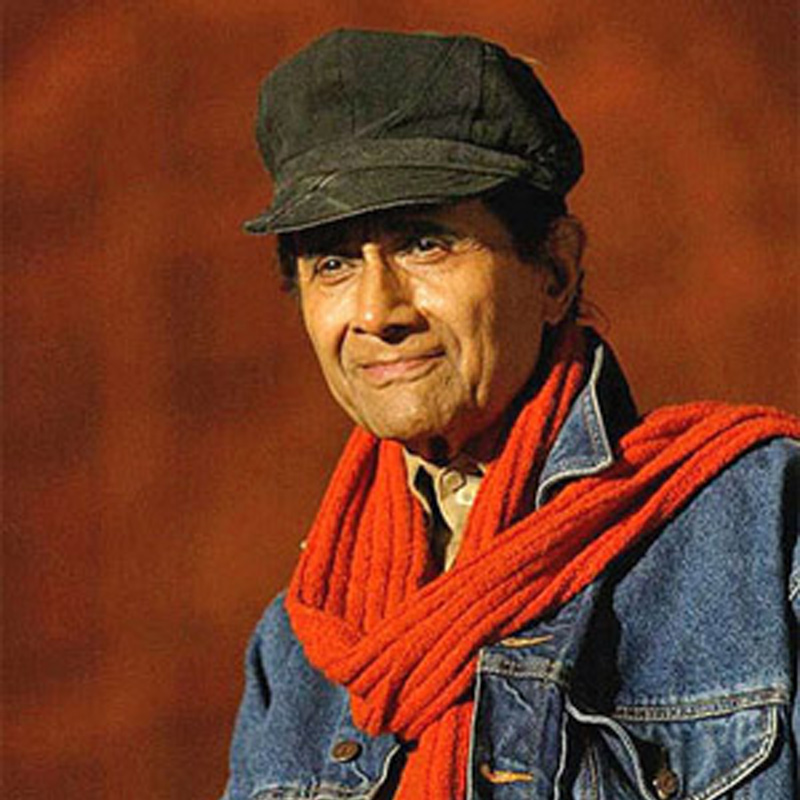
MUMBAI: With the passing away of India‘s evergreen star Dev Anand, who never showed signs of aging even at the age of 88, the country has lost it most revered actor.
With his death coming within a short span when we lost personalities like Shammi Kapoor, Bhupen Hazarika, Jagjit Singh, Mansoor Ali Khan Pataudi and MF Husain, the country has been left with a void very difficult to fill.
True to his wish that his last rites should not be performed in India Dev Anand breathed his last at the Washington Mayfair Hotel in central London. Ironically his family has decided to keep up to his wish that his final rites be conducted quietly, away from the media glare in a distant land. His mortal remains are to be cremated in London any day after Tuesday once his wife Kalpana Kartik and daughter Devina arrive in the British capital.

In his lifetime, Dev Anand, through his banner Navketan Films made many films like Afsar, Baazi, Aandhiyan, Humsafar, Taxi Driver, House No.44, Funtoosh, Nau Do Gyarah, Kala Bazar, Hum Dono, Tere Ghar Ke Samne, Guide, Jewel Thief, Jaaneman, Lootmaar, Hare Rama Hare Krishna, Ghungroo Ki Awaz, Awwal Number, Sau Crore, Mr Prime Minister and Chargesheet.
Among them, two films: Hare Rama Hare Krishna and Guide are said to be trendsetters. After its release, Hare Rama Hare Krishna assumed a cult status as it dealt with the disbanding of the Hippie culture. It aimed to have an anti-drug message and also depicted some problems associated with westernization such as divorce.
But the film that swung the fortunes of Anand‘s production house was the Vijay Anand-directed The Guide. The Guide went through many twists and turns before and during the period it was being made because the original written by RK Narayan was totally at odds with the Indian ethos and alien to the local mindset.
The film, the script of which was re-written by Vijay Anand, broke all the rules of Hindi cinema and shattered many taboos about what could and could not be shown on the big screen. This was only because of the sheer determination of both the Anand brothers who wanted to make a film that would be a landmark in all aspects.
Anand always stood up for the youth, he having given breaks to artistes like Zeenat Aman, Tina Munim, Jackie Shroff and Tabu who have made a name for themselves after that. Aamir Khan also did a film with him Awwal Number.
His enthusiasm and undying positivity won him innumerable fans the world over. In fact, this writer was initially bowled over with his warmth when five scribes from Mumbai including me accompanied him for the premiere of Mr Prime Minister in Ahmedabad a few years ago.
Right from the time we landed in Ahmedabad, to us arriving at the Drive Inn theatre, where the premiere was held, Dev Saab was very affectionate and saw to it that we enjoyed our stay with him in a local hotel.
And when he bade us goodbye, as he had to take an early flight to Mumbai for a special screening of his film at a suburban theatre, the actor producer asked his son Suniel to see that we were taken good care of till we left the city.
After that, I became quite pally with him and attended most of his press conferences. He even introduced me to Jagan Mohan of Hyderabad-based Goldstone Media, which was behind the colorization of Hum Dono.
Today,I cannot even think that he has left us for ever for just the thought of his absence, makes my heart cry.
The man who sang Main zindagi ka saath nibhata chala gaya bade us goodbye singing Saathi Na Koi Manzil, Chala Mujhe Leke Ai Dil, Akela Kahan,,,,.







Hindi
Zee5 and Applause Entertainment team up for whodunnit ‘Everybody Loves Sohrab Handa’
Rajat Kapoor directs star-studded murder mystery streaming from 10 April.
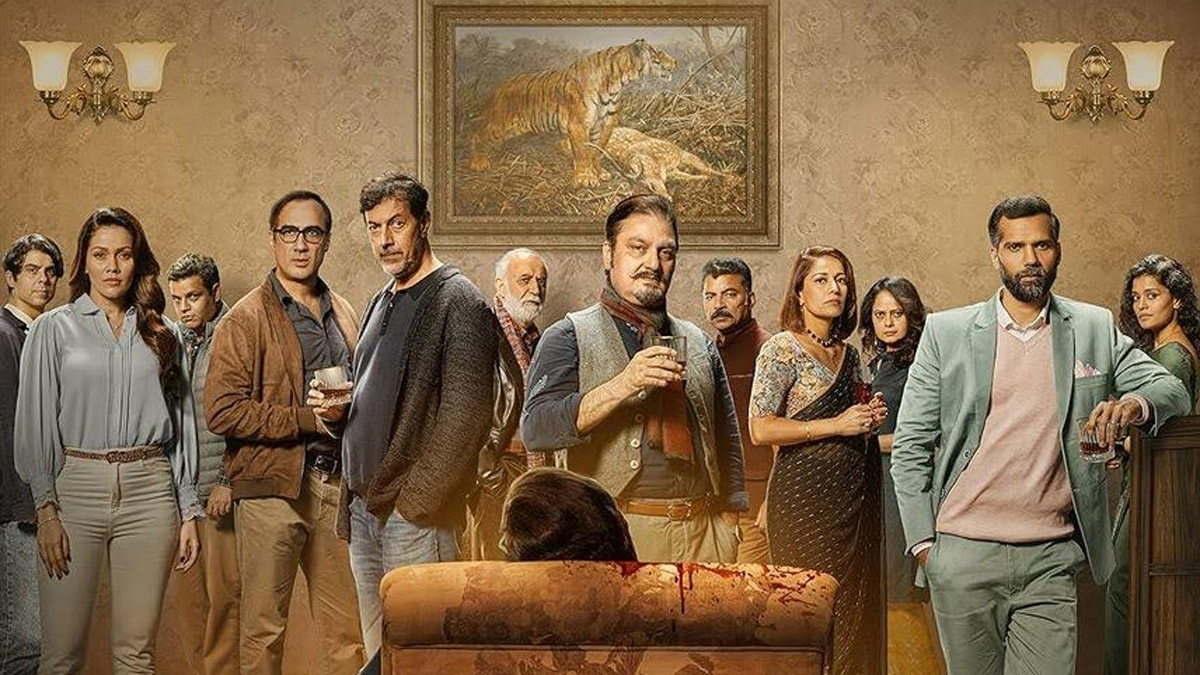
MUMBAI: Zee5 is serving up another killer collaboration and this time, the murder mystery comes with a generous side of dark humour and family dysfunction. The streaming platform has partnered with Applause Entertainment and Mithya Talkies to bring Everybody Loves Sohrab Handa, a fresh, twisted whodunnit written and directed by acclaimed filmmaker and actor Rajat Kapoor. The film will stream exclusively on Hindi Zee5 from 10 April.
The movie reimagines the classic murder mystery genre with a contemporary, darkly comic edge. It revolves around a group of friends and family who smile, drink, and celebrate together until the silence snaps and long-buried secrets spill out. The stellar ensemble cast includes Vinay Pathak, Ranvir Shorey, Waluscha De Sousa, Saurabh Shukla, Chandrachoor Rai, Neil Bhoopalam, Koel Purie, Palomi Ghosh, and Rajat Kapoor himself.
This latest offering continues the successful partnership between Zee5 and Applause Entertainment, which has previously delivered diverse hits such as Mithya, Bloody Brothers, and Jab Khuli Kitaab.
&TV Business Head of hindi Zee5 and chief channel officer Kaveri Das said, “Our collaboration with Applause Entertainment has consistently delivered distinct, high-impact storytelling. Everybody Loves Sohrab Handa is a natural progression, reinforcing our focus on genre-led content with a compelling whodunnit premise and a strong ensemble cast.”
Applause Entertainment business head for movies Sunil Chainani added, “This film adds yet another compelling layer to our slate with Rajat Kapoor’s unmistakable voice.”
Rajat Kapoor shared, “What interested me was not just the mechanics of a whodunnit, but the emotional violence that precedes physical violence. These are people who smile at each other, but there’s so much that is not said.”
The film promises razor-sharp writing, layered performances, and simmering tension, inviting viewers not just to solve the crime but to unravel the complex relationships at its heart.
If you love a good murder mystery served with wit and emotional depth, Everybody Loves Sohrab Handa looks set to be your next addictive watch. Mark your calendars, the whodunnit drops on Hindi Zee5 from 10 April.






