iWorld
India is no longer a follower in digital space: Newgen’s Arvind Jha

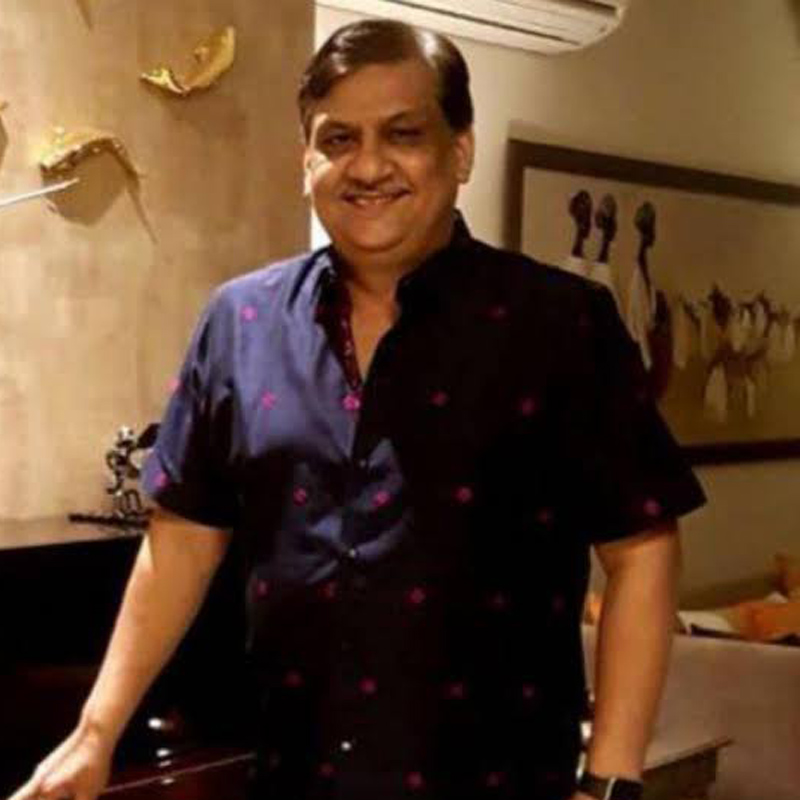
Mumbai: Newgen Software, which has recently completed its 30 years of enterprise journey is extensively working to make communication personalised. From helping brands across the globe to simplify data to providing efficient platforms to manage large volumes of documents, the company has many products to offer.
In a conversation with IndianTelvision.com, Newgen SVP for software development Arvind Jha speaks about their products, top trends in the digital space, and the new products in the pipeline.
Jha has been associated with Newgen since November 2020 and is responsible for product development at Newgen. He is recognised by the Indian tech community as an innovator and community builder. Before joining Newgen, Jha also held the position of Pariksha Labs CEO and led the product development team at Polaroid, Adobe, Monsoon Multimedia, and Movico Technologies.

In an exclusive chat, Jha shares that India is no longer a follower in the technology space, rather the country is leading towards rapid growth, leveraging cutting-edge technology.
Top digital trends for future
According to Jha, India was a follower of technology two years ago but looking at the latest numbers, 30 per cent of business now comes from India. “We can say that India is definitely no longer a follower (in this regard),” he asserts.
Jha feels that over the years India has moved from the backend to the front end. He further explains the digital trends which will lead the industry in the upcoming years.
Noting the first digital trend, Jha says, “Earlier we had a lot of paperwork and the majority of the work was being done physically, now we have it all in digitised form on our screens. People do not want anything to be hidden, they want everything to be done in front of their eyes on their smartphones.”
He emphasised that companies who will not adopt the technology on time will be left behind in the competition. “We have clients from across the world and we process huge amounts of data every day, but one thing which all leading companies want is a transparent CMS. They want the live data to be shared with their customers,” he adds.
Coming to the second trend, Jha says fast processing is the need of the hour. “How fast you serve your customers will be a major factor in deciding the growth rate of any company, especially in the BFSI sector,” he highlights.
He feels that 24*7 availability of the business will be the third most important trend. “Ever since the first lockdown happened, how we operate in our everyday lives has changed. With this transition, people want things to be available as per their own time and preferences. They do not want to be bound between ten to five business hours,” he tells.
Technology is no more restricted to particular age group
While comparing the Indian market to the global market, he says, the user behavior of the Indian population has drastically changed over the period of last two years.
“Before the pandemic hit the world, technology was a thing of millennials in India, however, now it is not limited to a certain age group or gender,” Jha shares. “Be it a five-year-old kid or a 60-year old man, nobody wants to stand in long queues to get their work done in physical format. They all want it all instantly. From opening a bank account to buying their everyday household stuff, people have become so used to digital,” he adds.
Technological development & policies
According to the Global Innovation Index, India is witnessing a burgeoning start-up and innovation culture. Jha says that this shift has accelerated the momentum in India’s development on the global platform in the technology space.
“India is not just becoming self-reliant but also offering its service across the globe,” he notes. Coinciding with his 30-years-long career, he shares how he has seen everything changing- from what we consume, how we conduct our lives, the entire economy of the country, and the businesses growing in India, everything is disrupted by Covid-19. “If we have to scale down the differences, the health crisis actually turned out to be an opportunity for the digital brands in India.”
On being asked how government initiatives have helped in this change? He says that policies and regulations play a vital role.”In the last five to six years, the government has done much to encourage digital transformation in the country. Today we have a robust infrastructure that allows any business to make a shift to digital easily,” Jha explains.
Spending patterns of Indian brands
In the concluding section, Jha talks about how spending patterns of Indian brands have evolved during this time. “Despite the major growth and transformation in the industry, Indian brands are still very conservative when it comes to their marketing budgets,” he points out.
Comparing the behavior of Indian brands to the global ones, he says global players start marketing 10 months prior to even launching their products, whereas, in India brands still follow a slow pace.
However, Indian brands have shifted their focus from those regular elements of budgets. While Indian brands were known to spend more on their HR teams than infrastructure, today it is completely changed. “Now brands have started to realise the importance of having a robust digital presence and a seamless infrastructure where employees can operate the business flawlessly,” Jha remarks.





iWorld
Samay Raina returns with Still Alive, confronts 2025 controversy in bold comeback special
Comeback set tackles controversy, blending humour with raw storytelling
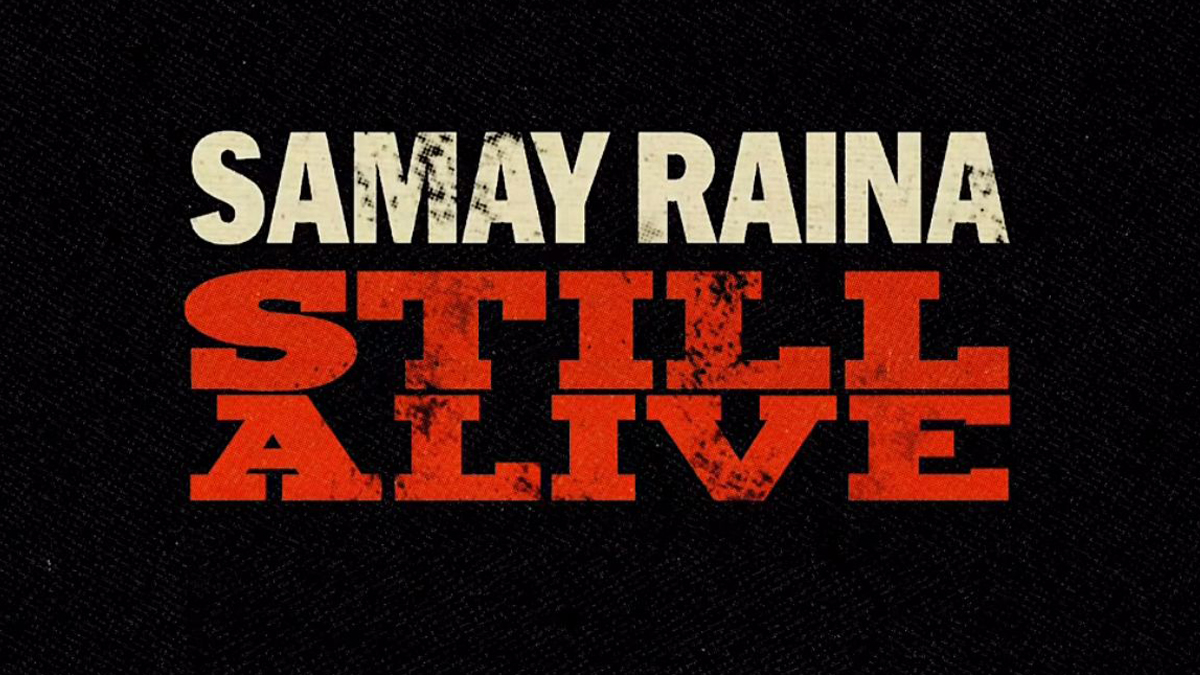
MUMBAI: Samay Raina is set to release his new stand-up comedy special, Still Alive, on YouTube on April 7, 2026, marking a high-profile return following a turbulent year.
The trailer for the special dropped on April 5, offering a glimpse into what Raina describes as a raw and unfiltered set that leans as much on honesty as it does on humour.
Positioned as a comeback of sorts, Still Alive draws heavily from the controversy surrounding his show India’s Got Latent in early 2025. The episode led to legal trouble, multiple FIRs, and a lengthy six-hour interrogation by the Maharashtra Cyber Cell, placing the comedian at the centre of intense public scrutiny.
Rather than sidestep the episode, Raina leans into it. The special reflects on the fallout and his personal journey through it, blending observational comedy with moments of emotional candour. Early audience feedback from live performances suggests the tone is less about rapid-fire punchlines and more about storytelling with bite.
The special was filmed during his global Still Alive & Unfiltered tour, which ran from August 2025 to early 2026. The tour saw Raina perform across major international venues, including the Madison Square Garden Theatre in New York, a milestone that places him among the youngest Indian comedians to take that stage.
The title itself signals resilience. “Still Alive” is a nod to navigating both legal and public backlash while choosing to remain unapologetically authentic, a theme that appears to anchor the set.
With the special set to premiere online, all eyes are now on how audiences respond to a performance that promises equal parts reflection and wit. For Raina, the message is clear. He is not just back, he is ready to be heard on his own terms.






