Broadband
India fourth in phishing attacks


NEW DELHI: India has ranked fourth in phishing attacks in the third quarter of 2013, said RSA, a division of EMC.
India received three per cent of the total attack volume, said RSA in a statement.
Other countries targeted by phishing attacks were US (53 per cent), Germany (17 per cent), UK (eight per cent) and South Africa (three per cent). In top countries by attacked brands’ India ranked third with seven per cent of the total phishing volume worldwide. The US with 27 per cent and UK with 12 per cent topped the chart.
RSA identified 46,119 phishing attacks in September globally with a rise in 36 per cent increase as compared to the month of August (33, 861). Phishing attacks in the month of September also mark the highest number of attacks in this quarter while July 2013 saw 45,232 numbers of attacks. Top countries to host these phishing attacks include US (42 per cent), Canada (nine per cent), Germany (five per cent) and UK (four per cent).

The total amount of losses incurred in third Quarter of 2013 was $1.66 billion.
Brands in the US, UK, India, and Australia were targeted by almost 50 per cent of phishing attacks in Q3 2013.
US remained the top country on the chart, targeted with 53 per cent of the total phishing volume in Q3 2013.
US incurred a loss of over $882 million followed by Germany with $294 million and UK with $133 million.
Meanwhile, cyber attack is likely to cost the average home user $418 in multimedia files, but a lot of this loss could be prevented if users purchase digital content after checking that the content is secure.
Kaspersky Lab in a statement that users can lose files in a number of different ways: losing a device, having a device stolen, or falling victim to malicious users.
According to the B2B International survey, 27 per cent of respondents encountered a cyber attack in the last one year. At the same time, over 60 per cent of users who were victims of malware that either damaged or destroyed data admitted that they had not been able to fully restore their files. During the same period, approximately 14 per cent of users dealt with the loss, theft or crash of their device.
Respondents in the 16-24 age group would face an average loss of $670, while those in the 25-34 group would incur an average loss of $455; users aged 45 and older would lose an average of $227.
Residents of China and Russia were likely to incur the highest average losses at $816 and $807 per user, respectively. This figure is considerably lower in Europe ($378) and North America ($342).
In order to protect digital assets, users not only need to back up their data on a regular basis – they also need to secure their personal devices against malicious attacks designed to steal or extort data. Smartphones and tablets should also have additional tools to help locate a lost device or to mitigate the potential damages of device theft.






Broadband
ACT Fibernet elevates Aditya Singh to chief customer experience officer
Former senior vp to drive service, retention and delivery revamp
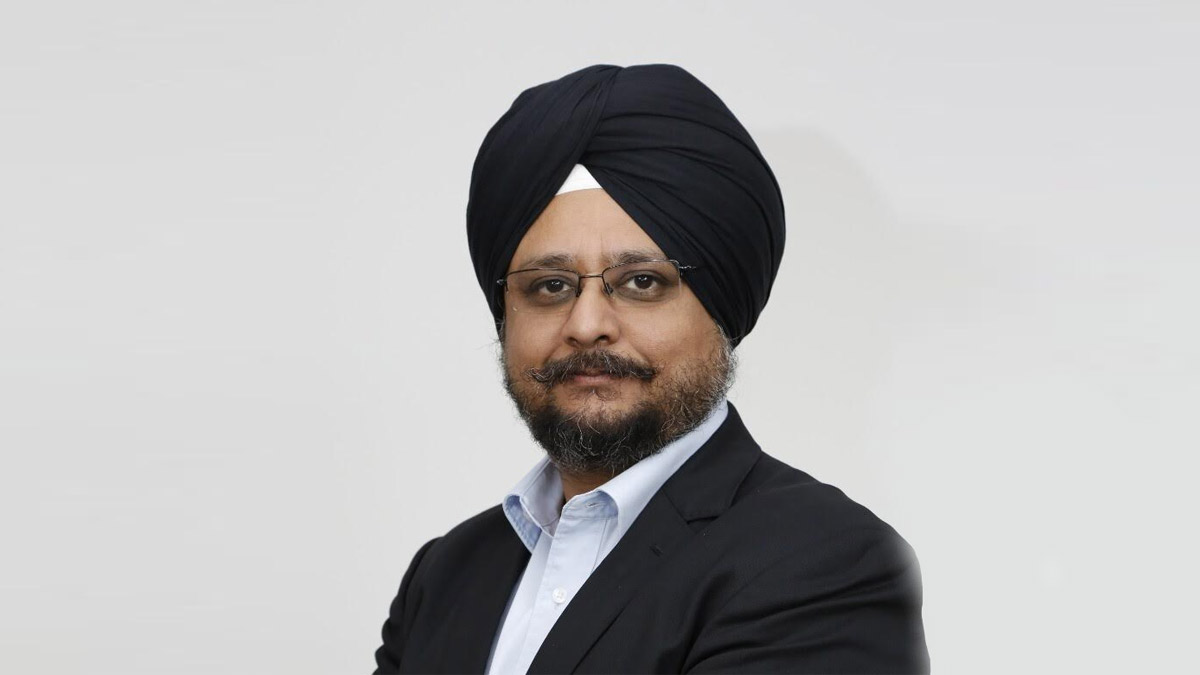
BENGALURU: ACT Fibernet has elevated Aditya Singh to chief customer experience officer, effective 1 January, 2026, as the broadband provider seeks to tighten its grip on service quality in an increasingly competitive market.
Singh, who previously served as senior vice-president – customer experience and loyalty at group level, will now join the executive committee and lead the company’s end-to-end customer transformation agenda.
The move gives him oversight of customer service, customer retention and service delivery, alongside a broader mandate to strengthen network resilience and field operations. The company said the reshuffle underlines its intent to deliver a “consistent, seamless and superior” experience to its 2.3m subscribers across more than 30 cities.
Headquartered in Bengaluru, ACT Fibernet, the consumer-facing brand of Atria Convergence Technologies Limited, is one of India’s largest wired internet service providers. It has built its pitch on high-speed connectivity and responsive customer support, at a time when fibre roll-outs and price wars are redrawing the broadband map.
In a statement, Singh said he was “deeply honoured” to take on the expanded brief and join the executive committee as the company sharpens its focus on simplifying customer touchpoints and turning subscribers into brand advocates.
The elevation signals a clear priority: in a crowded fibre market, customer experience is fast becoming the decisive battleground.








