News Broadcasting
India blamed for lack of good scripts with universal appeal


MUMBAI: Indian film industry has failed to utilise strategic opportunities with the film industries of other Asian countries. There is lack of scripts which would appeal to a larger audience, unnecessary sosha is made about the look and grandeur behind a film- without any thought process going that there is a market of Indian films in other Asian countries.
These words by Asian Movie works MD Scott Rosenberg at the Ficci Frames 2004 seminar on “Strategic Opportunities between the film industries of India and Asia” set the tone for further discussion which kept hinging on the fact that the fault lay within India itself.
The session had eminent personalities like Quixotic president Mark Byers, Technicolor MD Les Mckenzie, C P Packaging assistant VP Pongsak Kantiratanawong and Take Aim Productions cinematographer Frank Biffone.

The following were some of the views expressed by the panelists who advocated the need for better ties in the entertainment industry between India and other Asian countries:
– Nobody in other Asian countries seem to know how film business is conducted in India.
– The growing menace of piracy should be wiped out.
– Co-production between India and other Asian countries should be encouraged and Indian filmmakers should not impose the subjects on their partners; there should be a constant dialogue between the two parties on what and why they are making.
– Quality of films need to be aimed at the festival circuit; this would inspire other nations to come forward for tie-ups.
– Government should give concession to all the co-productions that materialise in this regard.
– There is no need to fear that the films be in English; films can always be dubbed, Indian stars have lots of international value.
– Merchandising of films should be looked into.
– Need for schools to teach script and screenplay writing in India; however there is no dearth of stories per se. As many the people in India, that many the stories.


News Broadcasting
CNN-News18 to host Fury in the Gulf conclave on West Asia crisis
Three-hour summit to unpack geopolitical fallout and impact on India
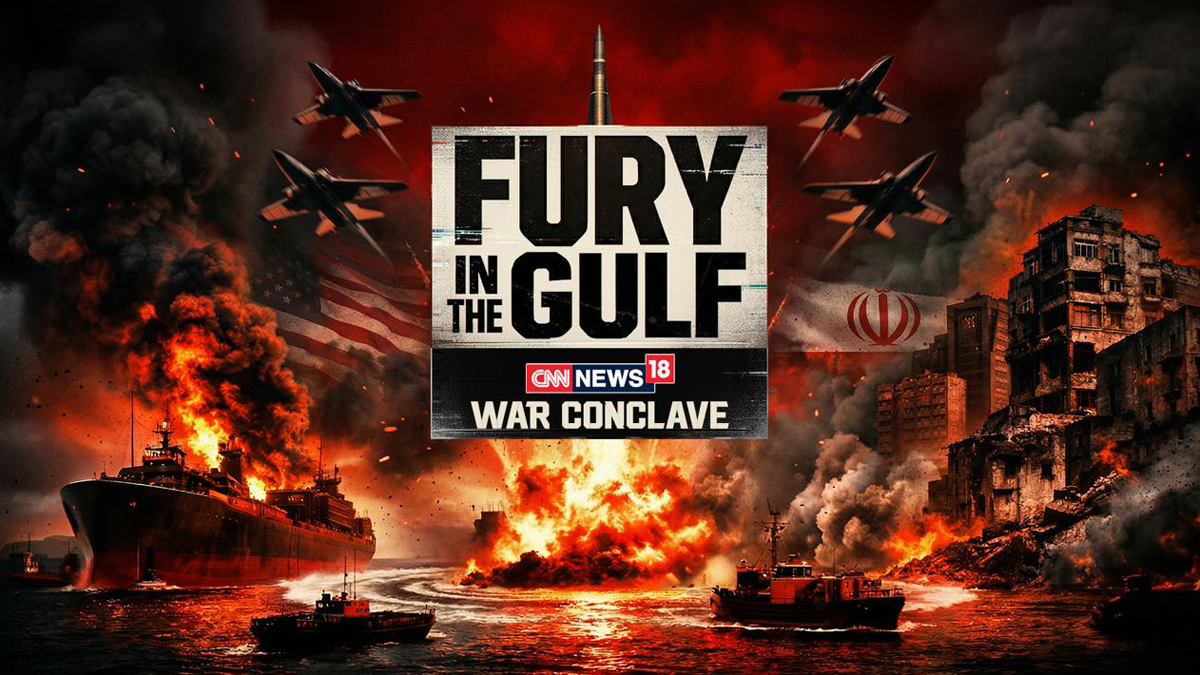
MUMBAI: CNN-News18 is set to host a special three-hour broadcast, Fury in the Gulf – War Conclave, on April 7, aiming to decode the escalating West Asia crisis and its far-reaching implications for India.
Scheduled from 4:00 PM to 7:00 PM, the conclave comes at a time when tensions between Iran and the United States are reshaping global geopolitics and triggering economic uncertainty. With India’s deep energy ties, trade links and large diaspora in the Gulf, the developments carry significant domestic relevance.
Built around the theme ‘Conflict, Consequences, and The Future,’ the programme will feature six curated sessions combining one-on-one interviews and panel discussions. The focus is to cut through the clutter and offer viewers a clearer understanding of the fast-evolving situation.
Key sessions include ‘Diplomacy in Times of War’ featuring Shashi Tharoor, and ‘World After the Iran Conflict’ with voices such as Ram Madhav, Reuven Azar, representatives from the European Union and the Iranian Deputy Envoy. Another session titled ‘Another Dunkirk?’ will bring together K. J. S. Dhillon and Jitin Prasada among others.
CNN-News18 editorial affairs director Rahul Shivshankar said, “In times of war, clarity becomes the most powerful tool. Fury in the Gulf – War Conclave brings together credible voices to address the questions and confusion that arise amid an overwhelming influx of information.”
He added that the initiative is aimed at delivering “facts, perspective, and insight” at a time when misinformation can easily cloud public understanding.
Echoing the sentiment, CNN-News18 CEO– English and business news Smriti Mehra said the conflict marks a defining global moment, with consequences that extend well beyond the region. She noted that the conclave seeks to present the crisis with “depth, nuance and responsibility” so audiences can better grasp its real-world impact.
As geopolitical tensions continue to dominate headlines, the conclave positions itself as an attempt to bring order to the noise, offering viewers a structured, insight-led look at a complex and rapidly shifting global situation.






