Hindi
IFFI 2016: 32 films for pitching in Film Bazaar

NEW DELHI: A total of 32 films are being screened in the Film Bazaar Recommends section of the International Film Festival of India (IFFI) at Panaji, which are all aimed at pitching for distribution or selection for international film festivals.
The films including five feature documentaries and 27 fiction features in 14 languages will pitch their trailers in the ‘Investor’s Pitch’ at 10th NFDC Film Bazaar 2016. Film Bazaar Recommends are feature length films recommended specially by the Film Bazaar team from among the film submissions to the Viewing Room.
Other sections in the market include Open Pitch, which is in its second edition, and where filmmakers present their ideas and requirements to an audience of film industry members.

Producer Miriam Joseph, OLFFI Managing Director Ilann Girard and Pallas Films producer Thanassis Karathanos discussed the importance and challenges of public funding and a clear emphasis emerged on developing the project thoroughly before looking for funding. “For independent films, it is always challenging to find funding,” Ilann Girard said, adding, “It is a multi-path relationship, and you have to look at the whole picture and understand the organic needs of your project, so there is a balance creatively and financially. It is very important to remain true to yourself.”
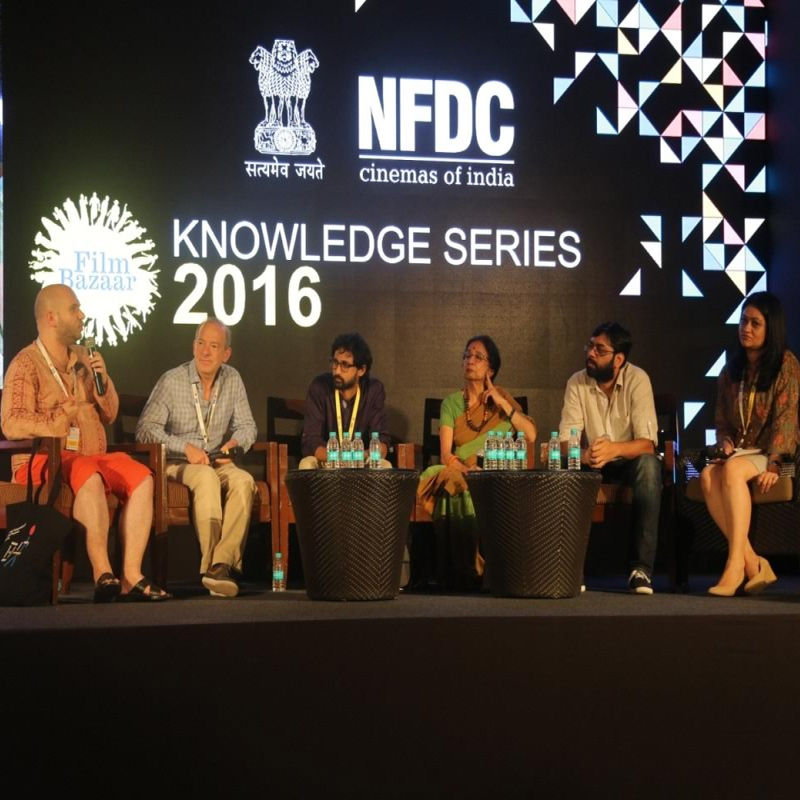
The section on Film Festivals And Markets – Building Audiences And Business Opportunities was moderated by Deepti D’Cunha and the panelists at this session included Festival Programmers Paolo Bertolin and Uma D’Cunha, Sales Agent Chris Paton, and filmmakers Raam Reddy (Thithi) and Kanu Behl (Titli), whose debuts have received much critical acclaim. There was an engrossing and riveting conversation on the intricacies of the business side of the film industry. The importance of promoting films was emphasised.
“It is difficult for independent films in India to get selected at a festival like Venice Film Festival, and whenever a filmmaker does get the rare opportunity to promote their film, they should grab it. After years, there were two Indian films, `Court’ and `Visaranai’, that were screened there,” Paolo Bertolinsaid. “Although this piece of advice is getting more and more controversial, you should get a sales agent, because they are the ones who know how to maximise your positioning within the festival and who already know how to work with and within the festival. You are faced with many challenges, and you don’t need to do this alone. If you don’t manage to get a sales agent, you should at least get a press agent, so that the film gets the widest exposure and reaches your target audience.”
“NFDC Film Bazaar really changed my life, and it gave me a wealth of knowledge. I was completely clueless when I came here,” Raam Reddy said candidly, highlighting, “I owe my entire career to NFDC Film Bazaar because I received so much constructive criticism and feedback from the Work-In-Progress Lab. Dreams can be built here.”
The Virtual Reality Lounge, powered by Samsung Gear VR Premiere and introduced for the first time, had A R Rahman’s ‘Live-In-VR Experience’ Vande Mataram as the premiere, which also allowed participants to curate their viewing experience uniquely with a range of Virtual Reality (VR) film experiences to choose from.
The Industry Screenings segment opened with Suhas Bhosale’s ‘Koti’, an acclaimed Marathi film about a young transgender in a rural village and went on to screen titles like ‘Trap’ by B Madhusudhan Reddy and `Aloko Udapadi’ (Sinhala) by Chathra Weeraman amongst others.
The Bazaar will conclude on 24 November 2016.




Hindi
MIFF 2026 to return to Mumbai; film entries open till April 12
19th edition to host WAVES Doc Bazaar, spotlighting global documentary talent
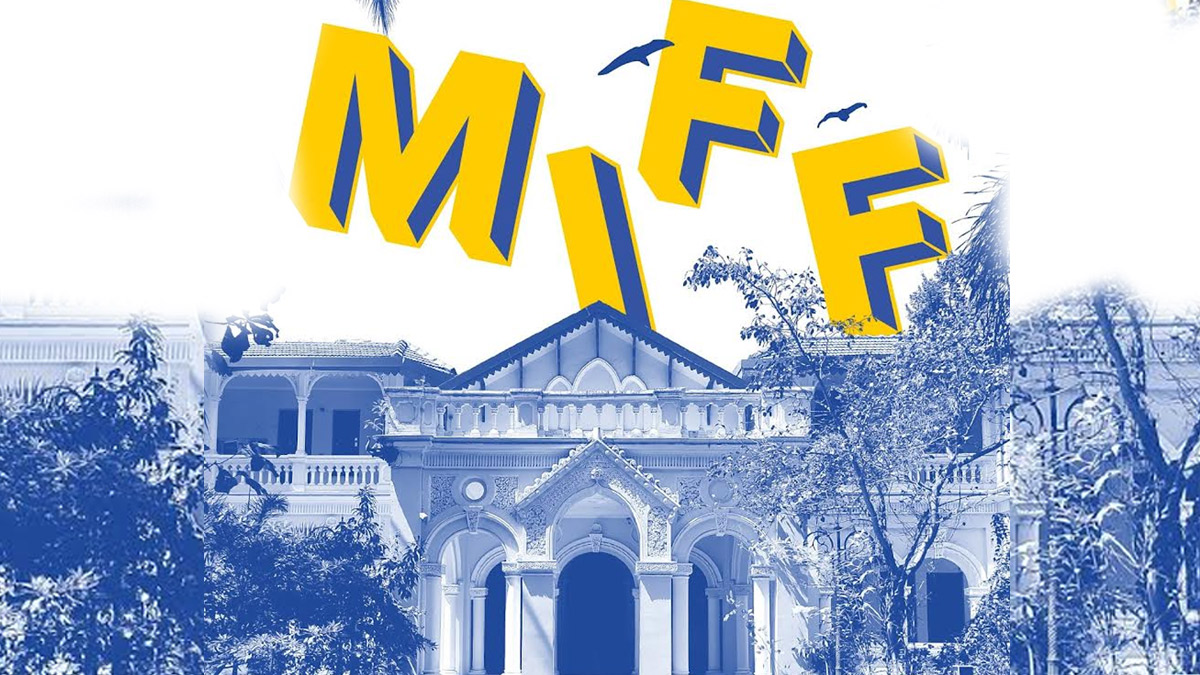
MUMBAI: The 19th edition of the Mumbai International Film Festival 2026 is set to take place from June 15 to 21 at the NFDC Complex, with film submissions currently open and the deadline fast approaching on April 12.
Organised by the National Film Development Corporation under the Ministry of Information and Broadcasting, the biennial festival remains one of South Asia’s most prominent platforms for documentary, short fiction and animation films.
Filmmakers, producers and content creators from across the globe have been invited to submit entries via the Film Freeway platform for the Competition Section. Offline submissions will not be accepted, reinforcing a fully digital entry process.
MIFF 2026 continues to sweeten the deal with a robust awards pool of Rs 55 lakh. The coveted Golden Conch for Best Documentary carries a top prize of Rs 10 lakh, alongside multiple awards across categories, making it one of the most lucrative non-feature film festivals in the region.
A key highlight this year will be the second edition of the WAVES Doc Bazaar, scheduled from June 16 to 18 alongside the festival. Designed as a hub for collaboration, the Doc Bazaar will feature a co-production market, viewing rooms and a work-in-progress lab, bringing together global buyers, sellers and creators under one roof.
Since its inception in 1990, MIFF has built a reputation as a serious showcase for non-feature cinema, drawing participation from filmmakers worldwide. The previous edition saw over 350 films from more than 30 countries, underlining its growing international footprint.
With submissions closing soon and preparations underway, MIFF 2026 is shaping up to be a vibrant meeting point for storytelling, collaboration and cinematic craft, offering filmmakers both a stage and a springboard.







