News Broadcasting
IBN18 Q4 standalone net loss at Rs 110 mn, rev up 25%


MUMBAI: IBN18 Broadcast has reported a standalone net loss of Rs 110 million for the quarter ended 31 March, from a net loss of Rs 220 million it had posted in the corresponding quarter of the previous fiscal.
The standalone results constitute the financials of English and Hindi news channels CNN-IBN and IBN7.
Total income of the company during the quarter under review surged to Rs 690 million, up 25.45 per cent from the earlier year.

Expenses rose to Rs 690 million, as against Rs 620 million in the corresponding quarter of the previous fiscal and Rs 640 million in the trailing quarter.
IBN18 managed to be Ebitda positive, as compared to an operating loss of Rs 60 million in the year-ago period. In the trailing quarter, the Ebitda profit was at Rs 80 million.
For the full fiscal ended 31 March, the company’s net loss has come down to Rs 490 million, from Rs 820 million in FY’10.
Total income from news operations increased 16.19 per cent to Rs 2.44 billion, from Rs 2.10 billion a year ago, while expenses also surged to Rs 2.50 billion (from Rs 2.22 billion).
Ebitda loss for the fiscal narrowed to Rs 50 million, from Rs 120 million a year ago.
On a consolidated basis, IBN18’s net loss for the fourth-quarter stood at Rs 130 million, down from Rs 220 in year ago quarter. Total income was at Rs 2.06 billion, while expenditure stood at Rs 1.98 billion for the quarter. Operating profit was at Rs 80 million.
For the full fiscal, the company posted a consolidated net loss of Rs 170 million, significantly lower than a net loss of Rs 1.10 billion in previous fiscal. Total revenue jumped to Rs 8.04 billion, while expenses were at Rs 7.57 billion. Operating profit was at Rs 480 million, as against loss of Rs 290 million.
The consolidated results include financials of Viacom18 and IBN Lokmat. The company consolidated the financials of The Indian Film Company into Viacom18 from the third quarter of the fiscal.
IBN18 shares closed Monday at Rs 88.45 on the BSE, down 0.39 per cent down the previous close.






News Broadcasting
Kamlesh Singh receives Haldi Ghati Award from MMCF
India Today Group editor honoured for three decades of journalism at Udaipur ceremony.
MUMBAI- Kamlesh Singh just turned a lifetime of sharp words into a shiny shield because when journalism wakes up a society, even the Maharana of Mewar wants to pin a medal on it.
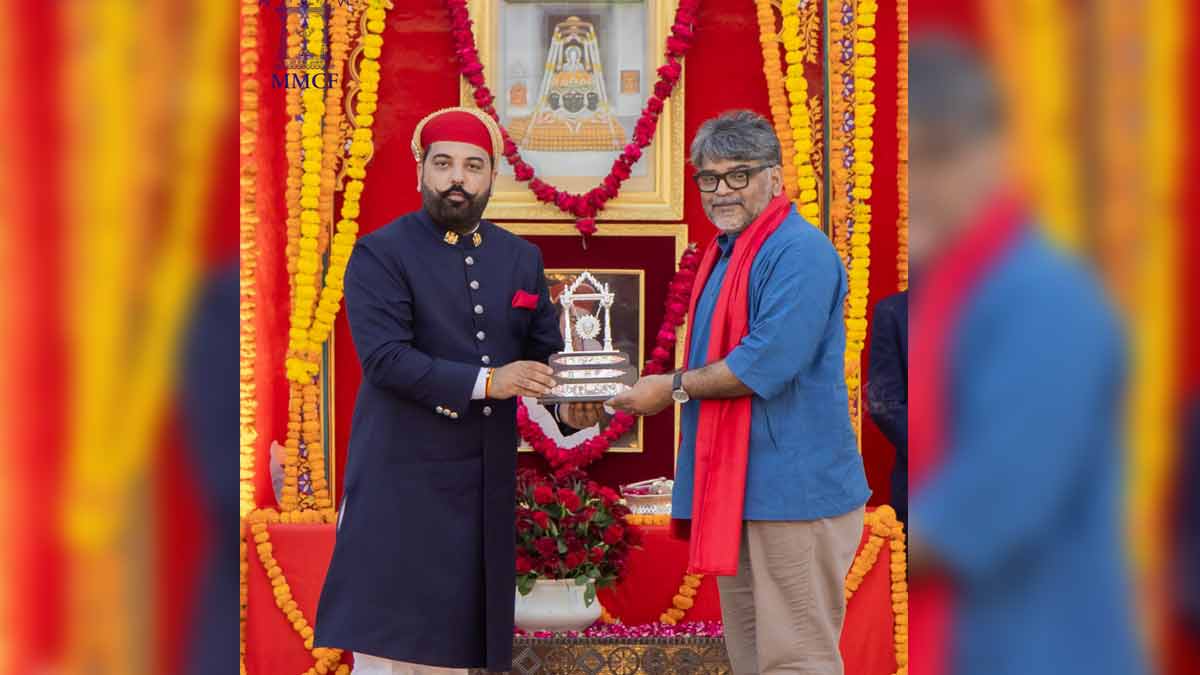
The Maharana of Mewar Charitable Foundation (MMCF) conferred its prestigious Haldi Ghati Award on Kamlesh Singh, a senior editor at the India Today Group, during a ceremony in Udaipur on 15 March 2026. The national award, instituted in 1981-82, recognises “work of permanent value that initiates an awakening in society through the medium of journalism.”
Singh, who leads several editorial initiatives including Aaj Tak Radio, the Teen Taal community and The Lallantop, was presented the honour by Lakshyaraj Singh Mewar, Managing Trustee of MMCF. The citation highlighted his three decades of contributions to Indian media, innovations in digital journalism, mentoring young reporters, and his popular podcast persona “Tau” on Teen Taal, which fosters thoughtful public discourse.
The Haldi Ghati Award, named after the historic Battle of Haldighati symbolising valour and resilience, is one of four national awards given annually by MMCF. Past recipients include Tavleen Singh, Piyush Pandey and Raj Chengappa.
Other honourees this year included Padma Vibhushan Pt Hari Prasad Chaurasia, Vedamurti Devvrat Rekhe, Treeman of India Marimuthu Yoganathan, Vir Chakra Capt Rizwan Malik, and US-based researcher Molly Emma Aitken, who received the Colonel James Tod Award for contributions to understanding Mewar’s spirit and values.
In an era where headlines often shout louder than substance, the MMCF quietly reminded everyone that real journalism isn’t about noise, it’s about the quiet, persistent work that stirs society awake, one thoughtful story at a time.







