I&B Ministry
I&B ministry to announce SOPs for M&E industry

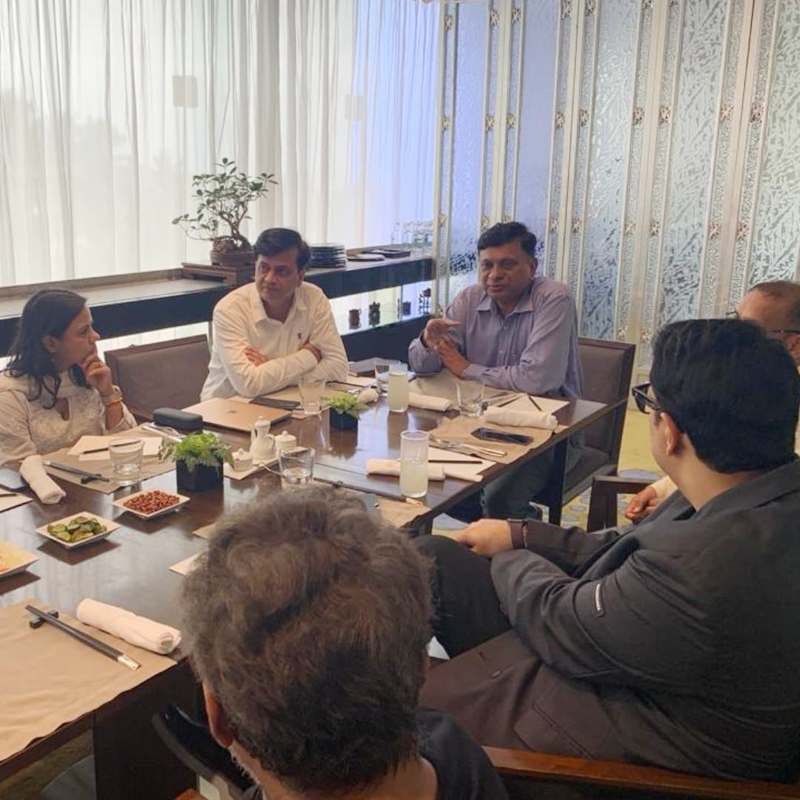
NEW DELHI: Information and broadcasting minister Prakash Javadekar today announced that the government will soon come up with new bring standard operating procedures for shooting in a post-pandemic world and will provide incentives for production across TV, film, animation, gaming and co-production. The completed details will be announced soon, the minister said at the FICCI FRAMES first virtual conference for the media and entertainment industry.
Javadekar also said that the government will help the M&E industry in every phase and will play the role of partners. He mentioned that the government has to harness the soft power of India for the progress of the country.
He added that the ministry recently provided facilities to foreign filmmakers to shoot in India through a single-window clearance has helped around 80 producers. He mentioned that India is a cost-effective option for many. Netflix biggie Extraction and Christopher Nolan’s upcoming film Tenet were shot in India.

Javadekar, in his address, said, "The importance of the media and entertainment sector cannot be stressed enough. The content we produce through TV, films or digital originals, is consumed by 150 countries. The sector generates millions of jobs and significant revenues. Despite the impact of Covid2019, it is growing at a good pace. Our share in the global market is small but can grow phenomenally. Given India's cost advantage of 40-60 per cent for producing the same quality of content as advanced countries, we can achieve stupendous results if we work together. There is a need for more entrepreneurs, founders and leaders in the media and entertainment sector to steer the industry forward with more innovations, origination and ownership. The government of India stands shoulder to shoulder with the industry in achieving all this."
Follow Tellychakkar for the consumer facing news & entertainment



I&B Ministry
Doordarshan, ICCR sign MoU to boost global reach of Indian culture
Pact taps TV, radio and digital platforms to take cultural content worldwide
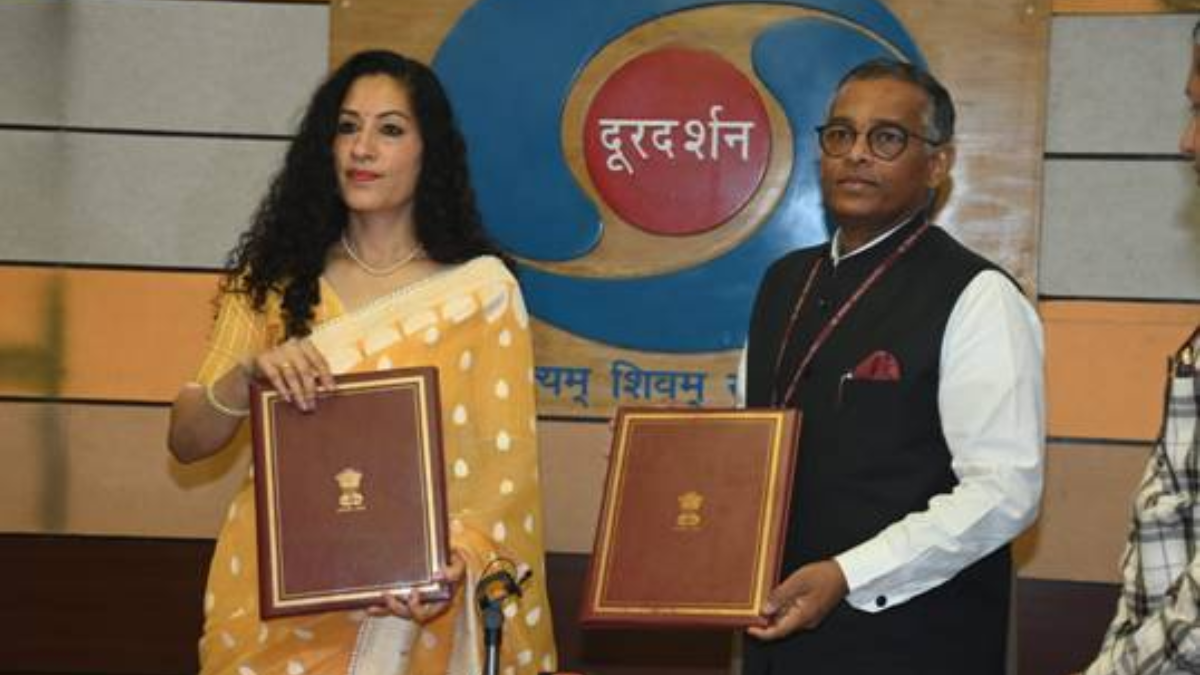
NEW DELHI: In a move aimed at taking India’s cultural story further across borders, Doordarshan under Prasar Bharati has signed a memorandum of understanding with the Indian Council for Cultural Relations to expand the global reach of Indian cultural content.
The agreement, signed on April 7 at Doordarshan Bhawan, brings together the content strength of ICCR and the wide broadcast network of Doordarshan, spanning television, radio and digital platforms.
Under the partnership, ICCR will provide a steady stream of cultural programming, including performances and events organised by Indian missions abroad such as embassies, consulates and cultural centres. Doordarshan will handle production, coverage and distribution, ensuring that these programmes find audiences not just in India but across the world.
The collaboration also opens the door for recorded cultural content from overseas missions to be aired across multiple platforms, including OTT and social media, making Indian art, music and heritage more accessible to global viewers.
A notable feature of the MoU is joint ownership of content rights in perpetuity, including digital rights. This allows both organisations to archive and reuse material over time, building a long-term cultural repository while maximising reach. Doordarshan will also support pre-event promotion and cross-platform visibility to drive engagement.
Speaking at the signing, Doordarshan director general K. Satish Nambudiripad and Indian Council for Cultural Relations director general K. Nandini Singla highlighted the potential of the partnership to strengthen India’s cultural diplomacy through modern media channels.
The agreement, initially valid for three years, also allows Doordarshan to explore monetisation opportunities from the content generated, adding a commercial layer to cultural broadcasting.
As India looks to blend tradition with technology, this partnership signals a clear intent to make its cultural voice not just heard, but seen and streamed across the globe.







