I&B Ministry
I&B asks Films Division to prove its mettle

NEW DELHI: In a bid to justify the existence of some divisions (and also the employees working there) within its fold, the information and broadcasting ministry has sounded off the Films Division (FD) to look for assignments outside the government, including private satellite channels.
FD has been instructed to undertake training and re-training of its staff members irrespective of the cost incurred,to be competitive in the present media environment.
“We have conveyed to Films Division to get out of the time warp of making just news reels (those which were shown few decades back in cinema halls before the start of a movie) and make documentaries and other interesting programmes for private broadcasters too,” a senior information and broadcasting ministry official told indiantelevision.com.

In this connection, the ministry official also pointed out that it has informally told Films Division to begin the training of the people working in the department, as soon as possible.
The move comes at a time when the I&B ministry has more or less rejected a finance ministry’s proposal (taking cue from the Geethakrishnan report on cutting flab in the Indian government) to close down certain divisions.
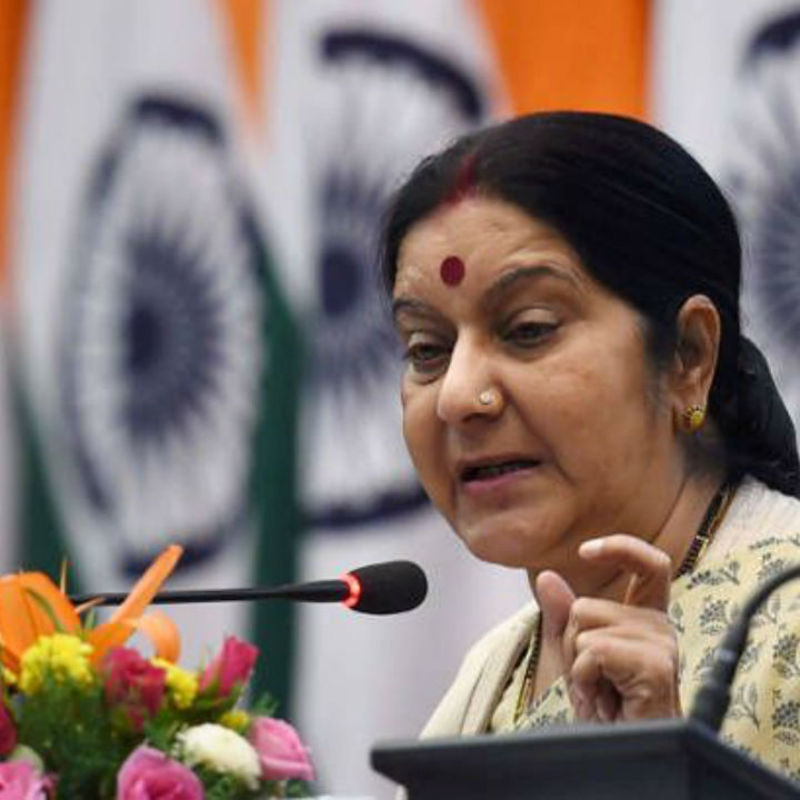
At a recent interaction with journalists, information and broadcasting minister Sushma Swaraj said that her endeavour is not to close down departments under her ministry but to go in for strategic mergers. The maximum that the ministry has done is to ‘surrender’ 1,000-odd posts in deference to the finance ministrys request.
FD was one division which critics have been saying has outlived its existence, especially in an era where TV brings news and events, most of the time live, into the bedrooms of people.
But there is also no denying the fact that if FD can change itself, it can find a market amongst private satellite channels which are still hungry for good non-fiction fare for television.



I&B Ministry
Devinder Kumar appointed Prasar Bharati chief vigilance officer
Senior IOFS officer to serve three-year term with Level-13 pay scale
MUMBAI: The Centre has appointed Devinder Kumar as the chief vigilance officer of Prasar Bharati, formalising a key oversight role within India’s public broadcasting network.
The appointment was cleared through an official order issued by the Department of Personnel and Training under the Ministry of Information and Broadcasting. Kumar, a senior Indian Ordnance Factory Service officer, will initially serve a tenure of three years or until further government orders, whichever comes earlier.
As chief vigilance officer, Kumar will be responsible for overseeing vigilance and compliance functions within Prasar Bharati, ensuring transparency and accountability across the organisation’s operations.
The role carries a Level-13 pay scale under the central government structure, translating to a salary range between Rs 1,23,100 and Rs 2,15,900. The compensation aligns the position with other senior administrative roles across government departments.
Kumar’s appointment follows due process, including a recommendation from the Central Vigilance Commission, which vets candidates for such critical oversight positions.
Currently serving under the Department of Defence Production, Kumar has been directed to be relieved of his existing duties with immediate effect to assume his new role.
The move comes as Prasar Bharati continues to strengthen its governance framework, with the CVO position playing a central role in maintaining institutional integrity. Kumar’s appointment is expected to bolster internal oversight at a time when accountability remains firmly in focus across public sector organisations.







