iWorld
Hoichoi gives a glimpse of its 2021 content slate


KOLKATA: Bengali streaming giant Hoichoi today unveiled its content line-up for, 2021, which includes 18 powerful and irresistible stories. Apart from its impressive March line-up, the OTT also plans to add more shows and movies this year than it did in the past years.
Hoichoi has roped in top talents of the industry, such as Rahul Bose, Dev, Anirban Bhattacharya, Prosenjit Chatterjee, Srabanti, Soham, Swastika Mukherjee, Sohini Sarkar, Monami Ghosh, Saswata Chatterjee, Anirban Chakrabarti, Arjun Chakraborty, Anindita Bose, Tridha Choudhury debutants Soumya Mukherjee, Sweta Mishra, Susmita Chatterjee, Debasish Mondal. Along with Bangladesh sensations like Mosharraf Karim, Badhon, Shamol Mawla and more; creators Srijit Mukherji, Kamaleswar Mukherjee, Anindya Chattopadhyay, Anjan Dutt, Sahana Dutta, Mainak Bhaumik, Anirban Bhattacharya’s directorial debut will also join its vast library.
In a statement, Hoichoi co-founder Vishnu Mohta said, “At Hoichoi, we aim to bring distinct stories for our diverse audiences with variant taste. Our upcoming line-up is a reflection of that idea; each one of which is a gripping story of human emotions, filled with suspense, comedy, love, drama, thrill and longing. Every season we try to reinvent ourselves, with content from the brightest and newest creators of the region. So, #NotunGolpoHoyejak?”

The exciting line-up is as follows:
1. Maradonar Juto – Directed by Mainak Bhaumik, this romantic comedy with a fresh casting, filled with the spice of family drama talks about neighbouring families, residing in North Kolkata (Dutta family & Chowdhury family), who have a generational feud about a pair of shoes, which belongs to the great football legend, Maradona.
2. Dujone – A thriller, not a love story, Dujone marks the digital debut of much-loved on-screen pair, Soham and Srabanti, which talks about a wife’s dilemma to decipher her husband’s true personality.
3. Mohomaya – Helmed by Sahana Dutta, Mohomaya is a unique tale of a boy, jilted by his traumatic past, involving his mother, essayed by National Award-Winning actress Ananya Chatterjee, at a tender age, finds affection he longed for all his life in his friend's mother, played by powerhouse actress Swastika Mukherjee. National Award-Winning director Kamaleswar Mukherjee marks his digital directorial debut with the series.
4. Mohanagar – The story revolves around three characters and a pair of police officers whose lives get connected due to an incident that changes them and their belief in the system. Mohanagar marks the hoichoi debut of Bangladesh superstar Mosharraf Karim.
5. Srikanto – A modern day take of the cult novel in & within the matrix of childhood simplicity, adolescent innocence to complex neo-liberal social & interpersonal predicament of human existence. Will star a young talent Rishav Basu, in the lead.
6. Mandaar – Created and directed by Anirban Bhattacharya, Mandaar will be the first among ‘hoichoi World Classics’ segment that will bring Shakespeare's literary classic, Macbeth, to screen, featuring Debashish Mondal, Sohini Sarkar and Anirban Bhattacharya himself in the lead.
7. Mouchaak – A dark comedy, which will mark the digital debut of television personality, Monami Ghosh, Mouchaak chronicles a series of funny unfortunate events surrounding a housewife under house arrest, a series of guests and a lottery ticket.
8. Robindronath Ekhane Kawkhono Khete Aashenni – An adaptation from the popular Bangladesh novel of the same name by Mohammad Nazim Uddin, which will mark Srijit Mukherji’s first series on hoichoi starring the dynamic Rahul Bose as the detective who reaches a famed restaurant to uncover the truth behind its mysterious owner, Muskaan Zuberi, essayed by Bangladesh sensation, Azmari Haque Badhon.
9. Murder in the Hills – The suspicions death of a Bengali film star of the 90s unravels to expose the seedy underbelly of Darjeeling’s pasts. Written, directed and acted by Anjan Dutt, the series is well balanced with a slew of casts, such as Arjun Chakraborty, Anindita Bose, Rajdeep Gupta, Sandipta Sen, Sourav Chakraborty, Suprobhat Das amongst others.
10. Shei Je Holud Pakhi 2 – The much-awaited series returns with its second season which will culminate the popular musical-drama about Vaidehi’s death. Saswata Chatterjee and Tridha Choudhury are reprising their roles in this season.
11. Paap 2 – with Puja Banerjee & Rahul Banerjee as the lead, the mysteries of season 1 will unravel in season 2 with another set of deaths and unexpected deaths.
12. Eken Babu S5 – Anirban Chakrabarti will reprise the role of Eken Babu as the much-loved crime-thriller returns for its fifth season with a new mystery that unfolds itself.
13. Byomkesh S7 – Starring the very versatile Anirban Bhattacharya as Byomkesh, along with Suprobhat Das as Ajit, and Ridhima Ghosh as Satyabati, our popular detective will return with a new mystery based on Byomkesh Bakshi created by Sharadindu Bandyopadhyay.
14. Tangra Blues World Premiere – A story of a failed musician and a band on a verge of oblivion with Tangra – the most notorious slums in Kolkata as a backdrop, the film will see the fresh pairing of Parambrata Chattopadhyay and Madhumita for the first time.
15. Prem Tame World Premiere – It's a story of a revolution, within a young heart, inside a home, and in society. The film brings together the fresh casting of Soumya Mukherjee, Sweta Mishra and Susmita Chatterjee.
16. Kakababur Protyaborton World Premiere – Audience's beloved Kakababu, aka Raja Roychowdhury, essayed by Bengal’s industry himself – Prosenjit Chatterjee, returns for the third instalment of this popular franchise with his nephew, Shantu, this time traversing the dangerous terrains of Africa. This time, the film is based on Jongoler Moddhe Ek Hotel by Sunil Gangopadhyay.
17. Psycho World Premiere – Anirban Bhattacharya and Birsa Dasgupta return to team up for a thriller that is about a psychiatrist-turned-resident criminologist who teams up with the top-rank officials of law enforcement to hunt down a psychopath.
18. Golondaaj World Premiere – A biographical sports drama directed by Dhrubo Banerjee, starring superstar Dev in the lead, is the story of a pioneer in Indian football, named Nagendra Prasad Sarbadhikari.






Broadband
Zoff Foods extends Shilpa Shetty partnership into ninth year
Spice brand reinforces trust-led positioning amid growth and funding push.
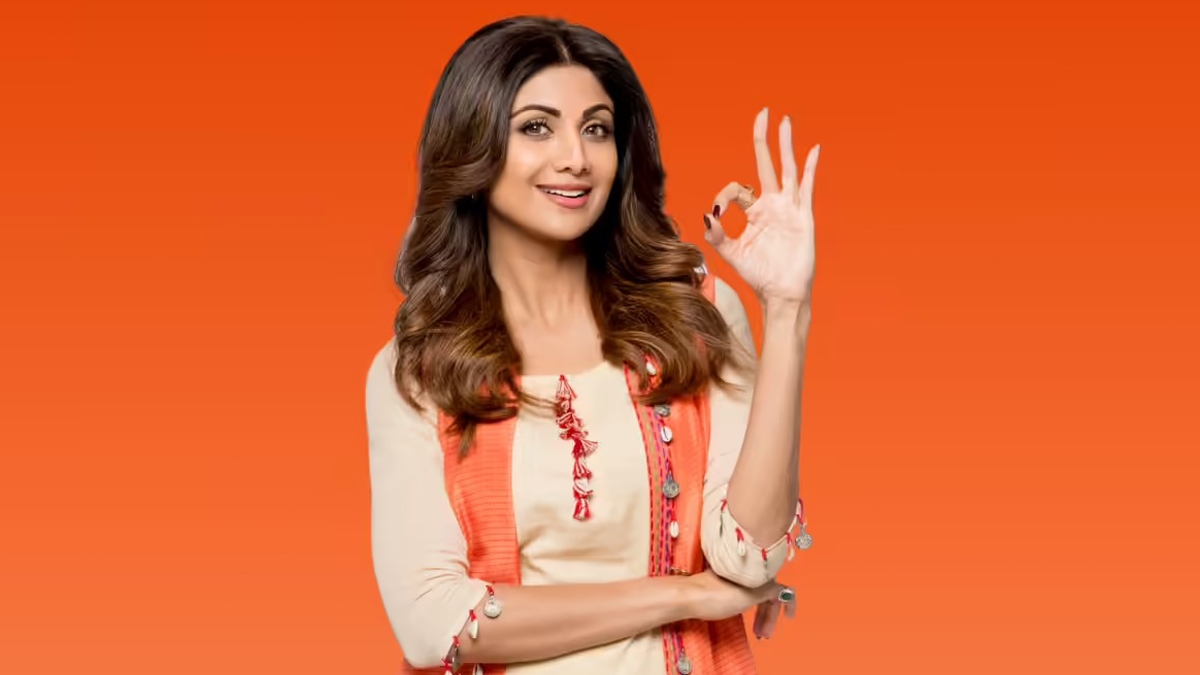
MUMBAI: Nine years, one flavour and the recipe clearly still works. Zoff Foods has extended its long-running association with Shilpa Shetty, marking nine consecutive years of her as brand ambassador as the company scales its presence across Indian households. What began as a digital-first collaboration has gradually evolved into a defining element of the brand’s identity. Over nearly a decade, the partnership has mirrored Zoff’s own journey from an emerging challenger to a fast-growing FMCG player with a widening footprint across e-commerce, quick commerce and offline retail channels.
The logic behind the continuity is straightforward. In a category where trust and familiarity drive purchase decisions, particularly in spices and ready-to-cook segments, long-term associations tend to carry more weight than short bursts of visibility. Shetty’s positioning as a fitness-conscious, health-aware public figure aligns with the brand’s emphasis on purity and quality factors that are increasingly shaping consumer choices in modern Indian kitchens.
The extension also comes at a time when Zoff Foods is entering a more aggressive growth phase. The company recently raised $2 million in a Pre-Series B funding round led by JM Financial Private Equity, with participation from Aman Gupta, signalling a push towards expanding distribution, product innovation and market reach.
Company executives have positioned the continued partnership as a strategic anchor amid this expansion, reinforcing brand recall while entering new markets. For Shetty, the association remains rooted in shared values around authenticity and ingredient integrity attributes that resonate strongly with increasingly mindful consumers.
In a market crowded with new-age brands and shifting loyalties, Zoff’s approach suggests a different playbook: build slowly, stay consistent, and let familiarity do the heavy lifting. Because sometimes, in both branding and cooking, it’s not about reinventing the dish, it’s about perfecting it over time.






