Education
HMI Learning joins hands with Germany’s Klett to boost early education

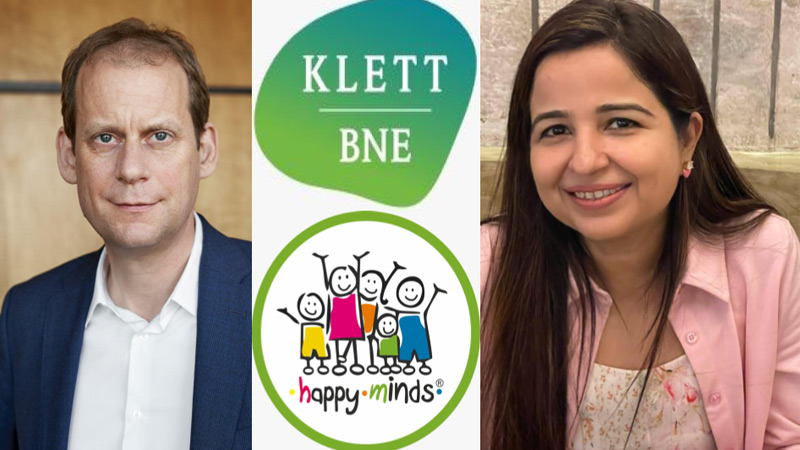
MUMBAI: HMI Learning Private Limited, the force behind the popular preschool and daycare brand Happy Minds International, is taking a giant leap forward with a strategic investment from Germany’s Klett Kita and Schule GmbH, part of the famed Klett Group.
The multi-year funding, set to roll out over the next two to three years, aims to accelerate HMI Learning’s growth from a single centre in 2012 to a projected valuation of around Rs 250 Crores (USD 30 million). The collaboration marks Klett Group’s entry into the Indian education market and signals a shared mission to raise the bar for early childhood care and education.
HMI Learning currently operates seven centres across Mumbai and Thane, catering to children aged four months to ten years. Over the years, it has touched the lives of more than six thousand children and partnered with over thirty corporates to provide premium childcare and early learning services. With Klett’s backing, HMI Learning plans to expand its footprint, enrich its curriculum, and bring global benchmarks into its classrooms.

HMI Learning founder and CEO Sonia Chugh, said, “This partnership is a milestone for us. Klett Group’s rich legacy in education and our shared commitment to quality learning make this collaboration especially meaningful. Together, we aim to set new standards in early childhood care and education in India.”
Klett Group board member Christian Doettinger added, “India is one of the most exciting education markets globally. We are thrilled to start this journey with HMI Learning. By combining our international experience with HMI’s deep local insight, we hope to make high-quality early education accessible to more families.”
The partnership promises a unique blend of global expertise and local understanding, creating a solid foundation for India’s youngest learners and empowering the next generation to flourish.


In today’s fast-paced professional world, skill-based certifications have become essential for career growth. These certifications validate specific, practical skills that employers are actively seeking, allowing professionals to demonstrate competence beyond traditional degrees. Unlike theoretical learning, skill-based certifications focus on applied knowledge, ensuring that certified individuals can perform tasks effectively in real-world scenarios. Professionals who earn these credentials often gain increased job opportunities, higher salaries, and enhanced credibility in their industries.
Why Skill-Based Certifications Are Important
Skill-based certifications bridge the gap between education and practical application. They enable professionals to showcase mastery in a specific area, whether it’s IT, data analytics, project management, or finance. Employers prefer candidates with skill-based certifications because they can immediately contribute to projects, require less on-the-job training, and uphold industry standards. These certifications also signal dedication to continuous learning and professional growth, which is crucial in today’s competitive market.
Key Areas for Skill-Based Certifications
Skill-based certifications span multiple domains, reflecting the diverse needs of modern industries. High-demand areas include information technology, cloud computing, cybersecurity, data analytics, project management, artificial intelligence, business leadership, and finance. Professionals who choose certifications aligned with their career goals gain practical expertise, stand out to employers, and position themselves for accelerated advancement.
IT Certifications: Validating Technical Skills
Information technology certifications are among the most valuable skill-based credentials. Certifications such as Cisco Certified Network Associate (CCNA), CompTIA Security+, and Microsoft Certified: Azure Administrator focus on practical knowledge and hands-on technical skills. Certified IT professionals are capable of managing networks, troubleshooting complex systems, and implementing secure infrastructure, making them highly sought after across industries.
Read more: https://www.prepaway.com/cisco-certification-exams.html
Cloud Computing Certifications: Hands-On Digital Expertise
Cloud computing certifications emphasize applied skills in designing, deploying, and managing cloud solutions. Credentials like AWS Certified Solutions Architect, Google Cloud Professional Cloud Architect, and Microsoft Azure Solutions Expert validate practical competence in cloud infrastructure. Professionals with these certifications help organizations streamline operations, enhance scalability, and implement secure, cost-effective cloud strategies.
Cybersecurity Certifications: Demonstrating Practical Security Expertise
Cybersecurity skill-based certifications are critical in an era of increasing digital threats. Certifications such as Certified Ethical Hacker (CEH), Certified Information Systems Security Professional (CISSP), and Certified Information Security Manager (CISM) validate hands-on skills in threat detection, risk management, and vulnerability mitigation. Certified professionals play a crucial role in protecting sensitive data, maintaining compliance, and ensuring organizational resilience.
Project Management Certifications: Applying Leadership and Strategy
Project management certifications are highly regarded skill-based credentials that emphasize practical leadership and problem-solving abilities. Credentials like Project Management Professional (PMP), PRINCE2 Practitioner, and Program Management Professional (PgMP) validate the ability to plan, execute, and oversee projects effectively. Certified project managers ensure initiatives are delivered on time, within budget, and aligned with organizational goals.
Data Analytics and Data Science Certifications: Turning Data Into Action
Data analytics and data science certifications provide practical skills in interpreting complex datasets and creating actionable insights. Certifications such as Certified Analytics Professional (CAP), Microsoft Data Science Certification, and SAS Advanced Analytics Certification validate applied knowledge in statistical modeling, data visualization, and predictive analytics. Certified data professionals enable organizations to make informed, data-driven decisions.
Artificial Intelligence and Machine Learning Certifications: Applied Innovation
AI and machine learning skill-based certifications focus on practical expertise in designing and implementing intelligent systems. Credentials like TensorFlow Developer, IBM AI Engineering, and Microsoft AI Fundamentals validate hands-on skills in algorithms, model building, and automation. Professionals with these certifications are in demand across industries implementing AI-driven solutions.
Business Leadership Certifications: Demonstrating Practical Leadership
Business leadership certifications validate applied skills in decision-making, team management, and strategic planning. Credentials such as Chartered Management Professional (CMP), Certified Business Leader (CBL), and Executive MBA programs focus on practical leadership abilities. Certified professionals lead teams effectively, implement strategies, and drive organizational growth.
Finance and Accounting Certifications: Practical Financial Competence
Skill-based finance and accounting certifications validate applied knowledge in financial management, auditing, and investment analysis. Credentials such as Chartered Financial Analyst (CFA), Certified Public Accountant (CPA), and Certified Management Accountant (CMA) ensure professionals can manage complex financial tasks, mitigate risks, and support organizational decision-making.
Read more: https://www.prepaway.com/comptia-a-plus-certification-exams.html
Quality and Process Improvement Certifications: Hands-On Operational Excellence
Certifications in quality management and process improvement validate practical skills in optimizing workflows and maintaining standards. Credentials like Six Sigma Black Belt, Lean Management Certification, and ISO Lead Auditor emphasize applied problem-solving techniques to improve operational efficiency. Certified professionals contribute directly to better performance, cost reduction, and higher customer satisfaction.
Benefits of Skill-Based Certifications for Professionals
Skill-based certifications provide tangible advantages. They enhance credibility, improve employability, and demonstrate practical competence in specialized areas. Professionals with these certifications are better prepared to take on challenging projects, leadership roles, and high-demand positions. They also enjoy higher earning potential and increased career mobility.
Advantages for Organizations
Organizations gain significant benefits from employing professionals with skill-based certifications. Certified staff bring verified expertise, follow best practices, and reduce operational errors. Companies with certified employees experience improved productivity, higher project success rates, and stronger reputations. Investing in skill-based certifications ensures a capable, efficient, and competitive workforce.
Selecting the Right Skill-Based Certification
Choosing the right skill-based certification requires evaluating career goals, industry relevance, and potential impact. Professionals should consider the recognition, cost, difficulty, and applicability of certifications. Selecting certifications aligned with professional aspirations ensures practical skill mastery and positions individuals for growth, specialization, and leadership opportunities.
Preparing for Certification Success
Achieving certification success requires structured preparation, hands-on practice, and dedication. Professionals should utilize official guides, online courses, practice labs, and mock exams. Applying knowledge in real-world scenarios enhances skill retention, builds confidence, and improves the likelihood of passing certification exams successfully.
Overcoming Challenges in Certification Pursuits
Pursuing skill-based certifications can be challenging due to exam complexity, preparation time, and financial investment. Professionals must balance study with work and personal responsibilities. Overcoming these challenges demonstrates resilience, dedication, and a commitment to continuous learning, enhancing career growth and professional credibility.
Emerging Trends in Skill-Based Certifications
The demand for skill-based certifications is growing with technological advancement and evolving industry requirements. Fields such as artificial intelligence, cybersecurity, cloud computing, project management, and data analytics are driving new certifications focused on practical skills. Professionals who pursue these certifications stay relevant, competitive, and prepared for emerging high-impact roles.
Read more: https://www.prepaway.com
Frequently Asked Questions
What are skill-based certifications?
Skill-based certifications are credentials that validate applied, practical expertise in a specific domain.
Why pursue skill-based certifications?
They demonstrate competence, improve employability, enhance credibility, and prepare professionals for practical challenges.
How long does it take to earn a skill-based certification?
Duration varies by certification; some can be completed in weeks, while advanced certifications may take months.
Do skill-based certifications guarantee employment?
No, but they significantly improve career opportunities and access to high-demand roles.
Can skill-based certifications be applied across industries?
Yes, many certifications, such as IT, data analytics, and project management, are relevant across multiple sectors.
Conclusion
Skill-based certifications are powerful tools for professionals seeking to validate expertise, demonstrate applied knowledge, and advance careers in today’s competitive environment. From IT, cloud computing, and cybersecurity to project management, data analytics, AI, finance, and business leadership, these certifications provide practical skills, credibility, and recognition. While earning skill-based certifications requires dedication and preparation, the long-term benefits—including career advancement, leadership opportunities, and higher earning potential—make them a smart investment for ambitious professionals striving for success.