High Court
HC to deliver order on ‘Kanhaiya’ Wednesday

MUMBAI: Zee’s Kanhaiyya that launched a week late and was again restrained by the court from airing its second episode last Sunday, should have a final order out on the case tomorrow.
The high court judge hearing the case has reserved his ruling till tomorrow.
Kanhaiyya, a weekly family entertainer with dollops of religiosity thrown in, was supposed to play a pivotal role in Zee TV’s plans to spruce up its Sunday morning slot. The project had been stalled earlier after production company Sundial filed a plea before Justice Bobde claiming it had conceptualised the original story idea under the title name Krish Kanhaiyya..
After a week of silence, Zee announced it was going ahead with Kanhaiyya , following what seemed like some sort of agreement between both parties. The show finally launched on 16 March and but failed to air this Sunday.
When asked about the recent developments, a Zee spokesperson confirmed that the production company had stalled the project once again on 22 March, by obtaining a court order. The company however maintains that the Kanhaiyya was Zee’s original concept and dismisses Sundial’s claim by saying any resemblance of the serial to any other programme is purely coincidental.
Meanwhile, Sundial claims that it had first offered the idea to Zee Telefilms who were interested but no agreement could be reached on the financial terms. Subsequently, the project was offered to Sony Entertainment Television and discussions had been underway to slot the series as a half-hour show that would air four days a week.
Sundial further stated that it had already registered the script and idea with the Film Writers’ Association in 2002 and therefore this was a clear case for copyright violation.
A single judge bench of the Mumbai High Court in a ruling delivered on 12 March, prima facie accepted a plea of copyright infringement served against Zee Telefilms, the show’s producer Gulshan Sachdeva and his production company Film and Shots. Justice Bobde, while delivering his ruling, concurred with Sundial’s contention and debarred Zee from developing a similar story line. Zee then moved to a division bench and got stay on the injuction, and screened the first episode on 16 March.
Later however, according to the media reports, there had been a preview arranged for the bench on 21 March. After viewing episodes of both the serial the court vacated the stay on the injunction and restrained Zee from telecasting further episodes.
Point to note: This report had initially stated that Sundial was Star News president Ravina Raj Kohli’s production company. Its director Karthik Menon has clarified that Kohli has no direct or indirect holding, ownership or interest in Sundial Communications Private Ltd.


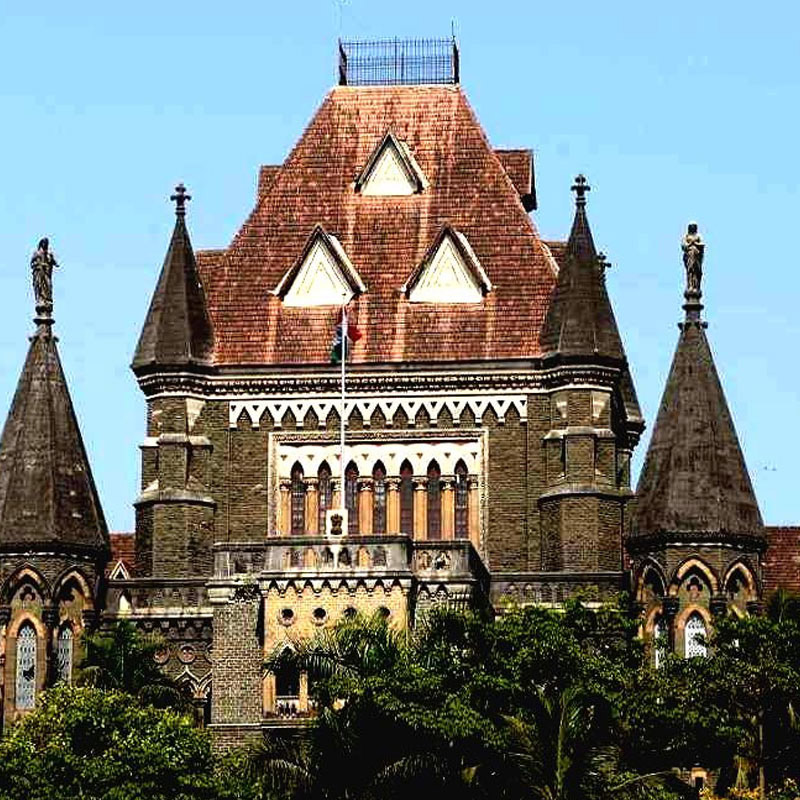
High Court
Delhi HC blocks illegal IPL 2026 streams, backs JioStar rights
Court orders swift takedowns, expands crackdown on piracy apps
NEW DELHI: In a timely move ahead of the cricketing season, the Delhi High Court has granted interim relief to JioStar India Private Limited, clamping down on illegal streaming of the TATA Indian Premier League 2026.
The court passed ex parte ad interim injunctions in two separate suits, restraining rogue websites and mobile applications from broadcasting IPL matches without authorisation. The tournament is set to begin on 28 March, making the timing of the order particularly significant.
Recognising JioStar’s exclusive digital and broadcast rights for the IPL cycle from 2023 to 2027, the court observed that unauthorised streaming would infringe its statutory and proprietary rights, potentially causing irreparable losses.

In one case, the court directed several identified websites to immediately stop hosting or streaming IPL content. It also issued a dynamic injunction, allowing JioStar to flag new infringing platforms in real time, which must then be blocked swiftly by domain registrars and internet service providers.
In a parallel order, the court turned its attention to piracy through mobile apps, particularly Android-based platforms distributing content via APK files. A broader dynamic+ injunction was granted, extending to future variants, mirror links and related interfaces, signalling a tougher stance on evolving piracy tactics.
The court also directed domain name registrars to suspend offending domains and share registrant details, including KYC and payment information. Internet service providers and telecom operators have been instructed to block access within strict timelines, in some instances within 36 hours. Both the Department of Telecommunications and the Ministry of Electronics and Information Technology have been asked to facilitate enforcement through necessary notifications.
Noting the fast-changing nature of digital piracy, the court emphasised the need for real-time enforcement tools to keep pace with anonymous and constantly shifting networks. It also underlined the commercial impact of piracy on legitimate rights holders.
The ruling reinforces the judiciary’s firm stance on protecting intellectual property in the digital age. For viewers, it is a reminder to stick to official platforms as the IPL season kicks off under tighter watch.






