iWorld
GUEST ARTICLE: How virtual reality (VR) is changing the dynamics of the content industry


Mumbai: By offering a vivid, immersive, and interactive experience, virtual reality is changing the very face of the content industry by allowing users to be at the centre of all the action.
The concept of virtual reality (VR) has sprung into prominence in the last couple of years. Although the technology has existed since as early as the 1990s, its applications were quite limited and confined only to high-tech, expensive gaming consoles. However, in the early years of the 2010s, VR started getting attention from wider sections of the industry, and consequently, the technology started reaching the doorsteps of potential customers. Going forward, VR has evolved significantly and has now established itself as one of the fastest and most cutting-edge technologies of the 21st century.
While VR has applications in a number of different business domains, it is proving particularly beneficial for the content industry. With the help of VR, creators can produce far more engaging and immersive content that can prove instrumental in enhancing user experiences. In fact, it won’t be an exaggeration to say that VR is significantly uplifting the creative abilities of creators and helping them to take their engagement with audiences to a different level.

With the help of VR-enabled content, users can experience the world like never before. Using specific headsets and devices, VR allows audiences to be there right in the middle of the action and experience the surroundings in immersive 3D formats. Just like we interact with our friends and colleagues on social media platforms, VR-enabled content takes this experience to another level through its immersive 3D experience. This captivating experience elevates the users’ experience and helps the creators strengthen their relationship with the target audience. No wonder, big tech giants such as Microsoft, Google, Amazon, and Facebook are betting big on the potential of VR and investing heavily to capture the imagination of the masses faster and better than others.
Before specifically elaborating on the role of VR in content creation, it’s important to put things in perspective. Let’s take the example of news, one of the cornerstone pillars of the content industry. Not long ago, we used to rely on television, newspapers, and radio to get our daily dose of news. While in the morning, newspapers were the primary source of information, news channels and radios were used to dish out the hot and happenings of the world in the daytime. However, fast forward to today, and the scenario is completely different. Digital media is leading the revolution in the news industry, and more than channels or publication houses, social networks such as Facebook, Twitter, WhatsApp, and Instagram have become our primary sources of news and information.
In the backdrop of such altered realities, the content industry is now making a tectonic shift. To strengthen their user base and elevate the customer experience, many creators today offer their viewers the opportunity to experience the content in a completely immersive manner with the help of VR technology. Media outlets such as The Guardian, the BBC, and the New York Times are offering VR-enabled content that puts the viewers right in the “middle of the action”. It feels so real and engaging, as if you’re present at the venue and experiencing things as they are unfolding on a real-time basis. This unprecedented level of engagement that has never been completely unseen and unheard of before has become possible today only with the help of VR-enabled content.
One of the most popular ways in which VR manifests its utility in content creation is through the 360-degree video formats. These formats, coupled with augmented reality (AR), capture scenes from every possible direction and help evoke a more passionate response from viewers. Especially in the background of falling sales in the print media, content creators are now banking on these surrounding videos to widen their appeal among new sets of customers while strengthening their current viewer base. Along with video formats, computer-generated graphics for a vivid interactive experience are also part of the VR technology that is used to offer a more immersive experience to users.
Of course, there are many challenges that VR-enabled content has to overcome, with the high cost and gouging customers’ appetite for new-age technologies being the primary issues confronting the industry currently. To find satisfactory solutions, content creators, including the broadcasting studios mentioned above, are collaborating with leading VR players and other stakeholders in the industry, including policymakers, among others. The idea behind this coming together is to offer audiences a vivid perspective and a greater sense of understanding through VR-enabled content within the realistic boundaries of cost and resources.
With the help of VR, content creators allow users to experience venues and situations first-hand. This is particularly beneficial for increasing engagement with viewers and strengthening the relationship between content creators and their target audiences. VR-enabled content with the help of certain gadgets and devices can create a sense of “belongingness” and take the engagement experience to a different level altogether. The use of immersive, 3D technologies is proving immensely beneficial for all stakeholders in the content industry, and if the costs of VR headsets rationalise further, the enormous potential of VR-enabled content can be realised in no time. In sum, while the segment of content creation has always remained dynamic and evolving, the latest change in the form of VR integration is changing the face of the industry like never before.
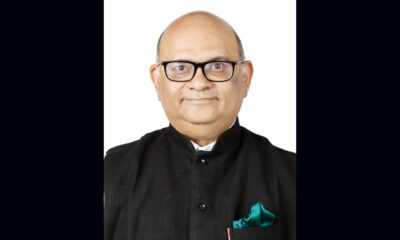
The author of the article is Interality founder and CEO Farheen Ahmad.






iWorld
Samay Raina returns with Still Alive, confronts 2025 controversy in bold comeback special
Comeback set tackles controversy, blending humour with raw storytelling
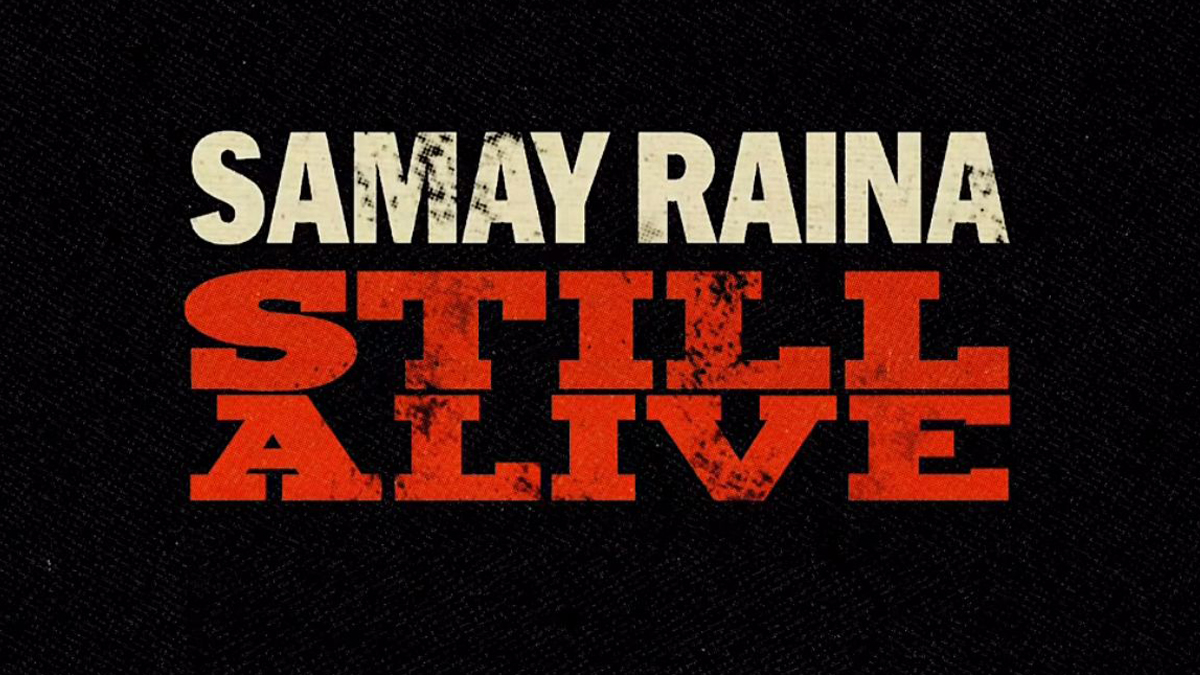
MUMBAI: Samay Raina is set to release his new stand-up comedy special, Still Alive, on YouTube on April 7, 2026, marking a high-profile return following a turbulent year.
The trailer for the special dropped on April 5, offering a glimpse into what Raina describes as a raw and unfiltered set that leans as much on honesty as it does on humour.
Positioned as a comeback of sorts, Still Alive draws heavily from the controversy surrounding his show India’s Got Latent in early 2025. The episode led to legal trouble, multiple FIRs, and a lengthy six-hour interrogation by the Maharashtra Cyber Cell, placing the comedian at the centre of intense public scrutiny.
Rather than sidestep the episode, Raina leans into it. The special reflects on the fallout and his personal journey through it, blending observational comedy with moments of emotional candour. Early audience feedback from live performances suggests the tone is less about rapid-fire punchlines and more about storytelling with bite.
The special was filmed during his global Still Alive & Unfiltered tour, which ran from August 2025 to early 2026. The tour saw Raina perform across major international venues, including the Madison Square Garden Theatre in New York, a milestone that places him among the youngest Indian comedians to take that stage.
The title itself signals resilience. “Still Alive” is a nod to navigating both legal and public backlash while choosing to remain unapologetically authentic, a theme that appears to anchor the set.
With the special set to premiere online, all eyes are now on how audiences respond to a performance that promises equal parts reflection and wit. For Raina, the message is clear. He is not just back, he is ready to be heard on his own terms.






