Cable TV
GTPL Hathway revenue up for Q1


BENGALURU: Indian multi-system operator and internet service provider GTPL Hathway Limited (GTPL) reported 15.7 per cent increase in total income for the quarter ended 30 June 2018 (Q1 2019, quarter or period under review) as compared to the corresponding year-ago quarter (y-o-y) Q1 2018. GTPL’s total income in Q1 2019 was Rs 303.55 crore, for the corresponding year ago quarter it was Rs 262.41 crore.
GTPL’s consolidated profit after tax (PAT) was almost flat (declined 0.9 per cent) y-o-y in Q1 2019 to Rs 12.57 crore from Rs 12.69 crore in Q1 2018. Consolidated total comprehensive income for the period reduced 1.3 per cent y-o-y to Rs 12.50 crore from Rs 12.66 crore. Consolidated operating profit (EBITDA) excluding other income increased 18.6 per cent in Q1 2019 to Rs 77.49 crore (26.1 per cent of operating or op revenue) from Rs 65.35 crore (25.4 per cent of op revenue) in the previous fiscal.
GTPL has two segments – cable TV business and internet service. Cable TV business operating result increased 9.9 per cent y-o-y to Rs 10.17 crore in Q1 2019 from Rs 9.26 crore in the corresponding quarter of the previous year. Operating revenue of GTPL’s cable TV business increased 17.4 per cent y-o-y to Rs 260.93 crore from Rs 222.18 crore.

GTPL’s internet service operating revenue in Q1 2019 increased 2.6 per cent y-o-y to Rs 35.98 crore from Rs 35.07 crore. Internet service segment’s operating results for Q1 2019 declined 30.2 per cent y-o-y to Rs 2.40 crore from Rs 3.44 crore in the corresponding quarter of the previous year.
Let us look at the other numbers reported by GTPL Hathway
Consolidated total expenditure increased 17.2 per cent y-o-y during the quarter under review to Rs 283.11 crore from Rs 241.49 crore in Q1 2018. Pay channel cost in Q1 2019 increased 17.8 per cent y-o-yto Rs 126.44 crore from Rs 107.37 crore in the corresponding quarter of the previous year. Other operational costs reduced 15.4 per cent y-o-y in Q1 2019 to Rs 21.48 crore from Rs 25.40 crore in Q1 2018.
Employee benefits expense in Q1 2019 increased 18.6 per cent y-o-y to Rs 35.32 crore from Rs 29.78 crore in the corresponding quarter of the previous fiscal. Finance costs increased 57.2 per cent y-o-y during the quarter under review to Rs 16.12 crore from Rs 10.26 crore. Other expenses in the period increased 23.3 per cent y-o-y to Rs 36.19 per cent in Q1 2019 from Rs 29.36 crore in the corresponding quarter of the previous year.







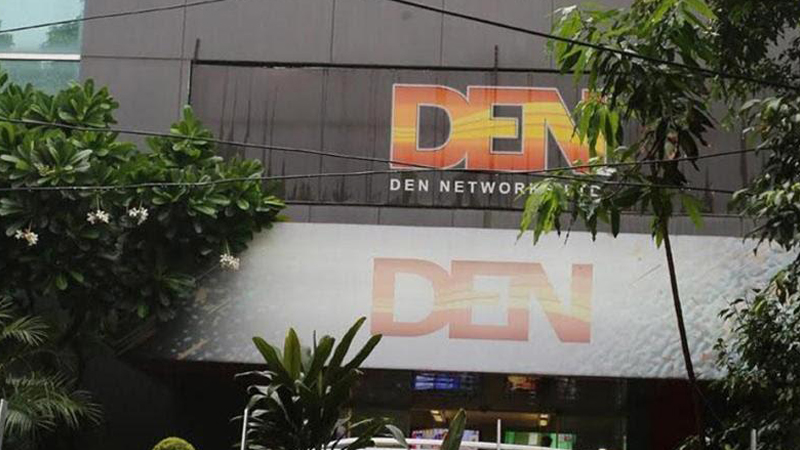
MUMBAI: When margins wobble, liquidity talks and in Q3 FY25-26, cash did most of the talking. Den Networks Limited closed the December quarter with consolidated revenue of Rs.251 crore, marginally higher than the previous quarter but down 4 per cent year-on-year, even as profitability stayed resilient on the back of strong cash reserves and disciplined cost control.
Subscription income softened to Rs.98 crore, slipping 3 per cent sequentially and 14 per cent from last year, while placement and marketing income offered some cheer, rising 15 per cent quarter-on-quarter to Rs.148 crore. Total costs climbed faster than revenue, up 7 per cent QoQ to Rs.238 crore, driven largely by higher content costs and operating expenses. As a result, EBITDA dropped sharply to Rs.13 crore from Rs.19 crore in Q2 and Rs.28 crore a year ago, pulling margins down to 5 per cent.
Yet, the bottom line refused to blink. Profit after tax stood at Rs.40 crore, up 15 per cent sequentially and only marginally lower than last year’s Rs.42 crore. A healthy Rs.57 crore in other income helped cushion operating pressure, keeping profit before tax at Rs.48 crore, broadly stable quarter-on-quarter despite the tougher cost environment.
The real headline-grabber, however, sits on the balance sheet. The company remains debt-free, with cash and cash equivalents swelling to Rs.3,279 crore as of December 31, 2025. Net worth rose to Rs.3,748 crore, while online collections accounted for 97 per cent of total receipts, underscoring strong cash discipline across operations, including subsidiaries.
In short, while Q3 showed signs of operating strain, the financial backbone remains solid. With zero gross debt, steady profits and a formidable cash war chest, the company enters the next quarter with flexibility firmly on its side proving that in uncertain markets, balance sheet strength can be the best growth strategy.






