I&B Ministry
GST webpage created on PIB website

NEW DELHI: A special webpage on the Goods and Services Tax (GST) on the website of the Press Information Bureau was launched by the principal director-general A P Frank Noronha.
Goods and Services Tax (GST) will come into effect on 1 July. GST will completely transform the indirect taxation landscape in the country involving both, the central and state levies. In a departure from normal practice, GST will be administered together by the centre and states.
Earlier, the ministry of information and broadcasting had set a frequently asked questions and a basic understanding of GST on its website.

The webpage on GST is a one-stop information platform for all information on the new tax regime. It contains press releases issued till date on the Goods and Services Tax (GST) in both Hindi and English languages. The webpage also contains various presentations, FAQs etc on GST.
Video clips of press conferences conducted with regard to GST by Finance Minister Arun Jaitley; Workshop conducted by Revenue Secretary Hasmukh Adhia; Various video clips on GST including educational videos, TV Spots and Radio jingles as prepared by CBEC are also available on the webpage. Video links of programmes on GST by DD News can also be accessed.
YouTube, Twitter, Facebook etc updates on GST are integrated into the webpage for easy access on social media platforms. Various Infographics on GST have been compiled along with the Advertisements issued. Finance Minister’s quotes and bytes on GST after GST Council meetings have also been uploaded on the webpage.





I&B Ministry
Chanchal Kumar appointed MIB secretary
1992-batch officer shifts from DoNER as Sanjay Jaju heads the north-east ministry
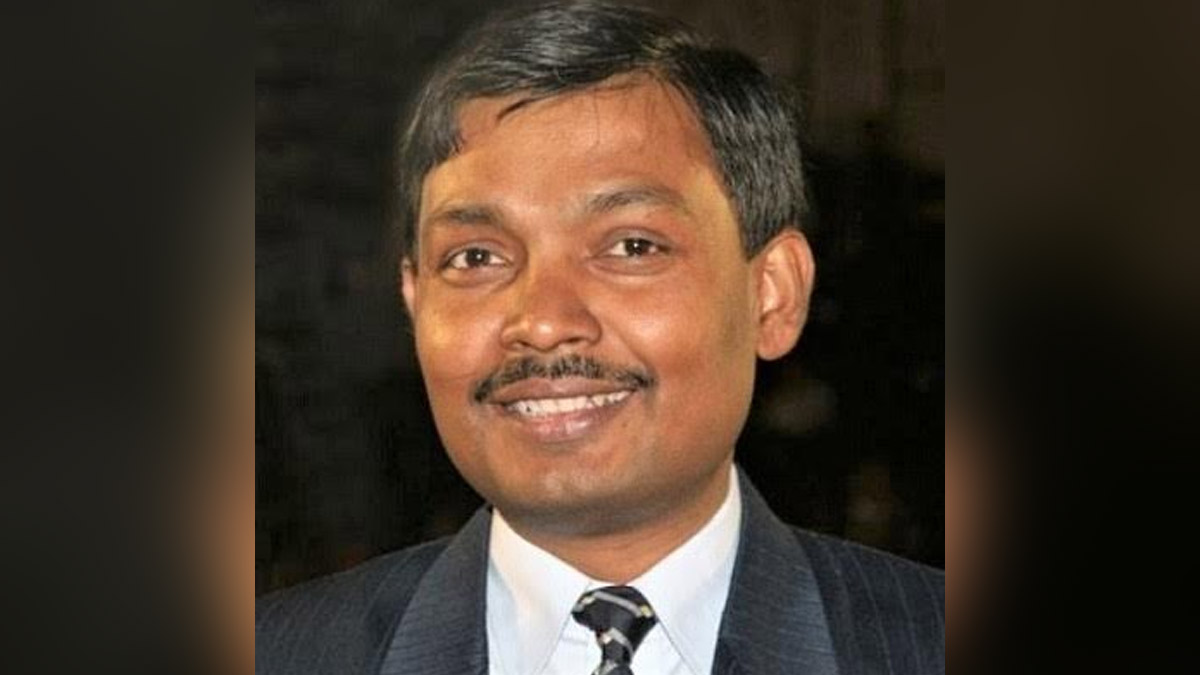
New Delhi: The government has rejigged its top bureaucracy, appointing Chanchal Kumar as secretary in the Ministry of Information and Broadcasting, replacing Sanjay Kumar Jaju in a swift senior-level switch.
Kumar, a 1992-batch IAS officer of the Bihar cadre, moves from the Ministry of Development of North Eastern Region (DoNER), where he had been serving as secretary. He steps into MIB as Jaju exits to take charge as secretary, DoNER.
Kumar is no stranger to handling multiple mandates. In December 2025, while at DoNER, he briefly held additional charge as secretary in the Department of Telecommunications during Neeraj Mittal’s leave from December 12 to December 21, ensuring continuity at a critical time.
Jaju, a 1992-batch IAS officer of the Telangana cadre, had taken over as secretary, MIB in February 2024, succeeding Apurva Chandra, who moved to the Ministry of Health and Family Welfare. His tenure combined administrative continuity with a sharper policy pitch on trust in India’s fast-evolving media and advertising landscape.
Speaking at the AdTrust Summit 2026 organised by the Advertising Standards Council of India, Jaju warned that misleading promotions risk eroding public trust even as digital platforms expand reach for businesses, startups and creators. He flagged rising threats from financial scams, deceptive investment schemes and fraudulent job advertisements targeting vulnerable users.
While noting that commercial speech is protected under freedom of expression, Jaju argued that misleading advertising must face regulatory scrutiny. He pushed for a shift in industry priorities—from scale to credibility, authenticity and transparency—especially in disclosures and sponsored content. Truthfulness, accountability and safeguards for vulnerable audiences, he said, must anchor the ecosystem.
Jaju’s move to DoNER and Kumar’s arrival at MIB signal a calibrated reshuffle at the top—continuity in governance, but with a clear message: credibility is the new currency.