International
‘Gravity’ and ‘American Hustle’ lead the 2014 Oscar Nominations

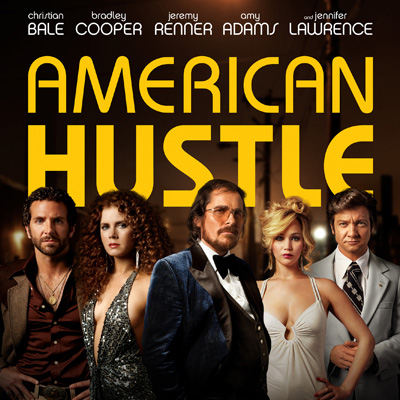
MUMBAI: The 86th Academy Awards nominations were announced on the morning of 16 January in Beverly Hills, Calif. The nominations were led by the 3-D space odyssey Gravity and the con artist caper American Hustle, both with 10 nominations. The harrowing historical epic – 12 Years a Slave trailed closely with nine nominations.
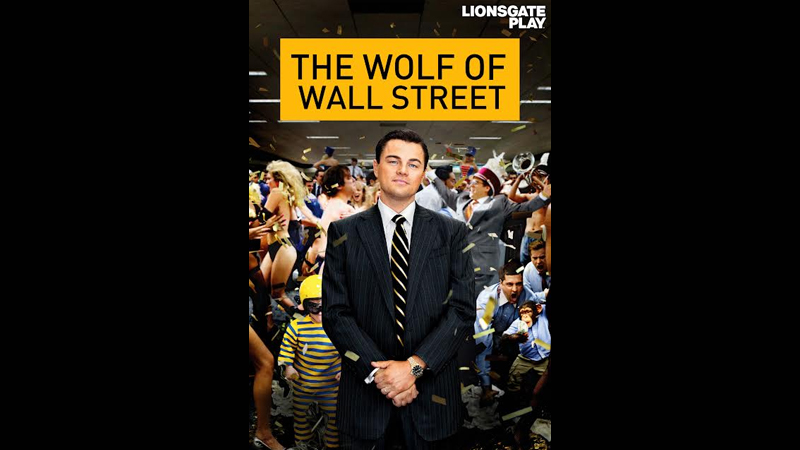
The three are among the nine films nominated for Best Picture. The other nominees are Captain Phillips, ‘Dallas Buyers Club, Her, Nebraska, The Wolf of Wall Street and Philomena.

The best director nominees are David O. Russell for American Hustle, Alfonso Cuaron for Gravity, Alexander Payne for Nebraska, Steve McQueen for 12 Years a Slave, and Martin Scorsese for Paramount’s The Wolf of Wall Street.
The Best Actor nominees include Chiwetel Ejiofor for 12 Years a Slave, Bruce Dern for Nebraska, Leonardo DiCaprio for The Wolf of Wall Street, Matthew McConaughey for Dallas Buyers Club and Christian Bale for American Hustle. The 77-year-old Dern is an Oscar nominee for the second time, 35 years after his nomination for Hal Ashby’s Coming Home.
The Best Actress nominees are Amy Adams for American Hustle, Cate Blanchett for Blue Jasmine, Sandra Bullock for Gravity, Judi Dench for Philomena and Meryl Streep for August: Osage County. With her nomination, Streep pads her record for most acting nominations. This is her 18th nod, including three wins, the last for 2011’s The Iron Lady.
Woody Allen scored his record 16th screenwriting nomination for Blue Jasmine. Also up for original screenplay is American Hustle, Dallas Buyers Club, Her and Nebraska. In the adapted screenplay category are Before Midnight, Captain Phillips, Philomena, 12 Years a Slave and The Wolf of Wall Street.
Pixar, usually a mainstay in the Best Animation category, wasn’t in the list this time. Monsters University, however, ruled the segment with Frozen, The Wind Rises, Despicable Me 2, The Croods and Ernest & Celestine.
The first original song finalist announced was the title song from a rookie film called Alone Yet Not Alone in the mix with U2, Pharrell Williams, Karen O and the traditional Disney entry.


International
Russia-India cinematic spectacle Persimmon of My Love set for grand Moscow debut
Hindi cinema style musical revives Indo-Soviet cinema ties for today

MUMBAI: A new chapter in cross-border storytelling is set to unfold as Persimmon of My Love gears up for its premiere in Moscow on 1 April 2026, marking the first large-scale cinematic collaboration between Russia and India in decades.
Positioned as a modern nod to the cultural exchange that once brought Indian classics to Soviet audiences, the film blends Hindi cinema flair with Russian storytelling, aiming to rekindle a long-standing cinematic friendship.
Directed by Marius Weisberg, the musical comedy follows two brothers navigating a lively world of music, family and romance. The lead roles are played by Demis Karibidis and Mikhail Galustyan, with Karibidis also contributing as a screenwriter.
Shot entirely in India, the production leans heavily into Hindi cinema style spectacle. Filming took place across Mumbai studios and the cities of Udaipur and Jodhpur, whose architecture was used to create the fictional setting of Khurmada. A crew of over 350 worked on the project, with large-scale sequences featuring up to 1,000 extras.
The film also brings Indian creative talent into the mix. Dance sequences are choreographed by Jay Kumar, while music by Zurab Matua features songs in both Hindi and Russian, adding to its cross-cultural appeal.
Backed by TNT channel, MyWayStudio and the Russian Cinema Fund, the project reflects a broader push to strengthen cultural ties between the two countries.
With its mix of colour, comedy and cross-border collaboration, Persimmon of My Love is not just a film release but a reminder that cinema, much like music, travels well across borders.






