News Broadcasting
Govt to seek EC view on FM imbroglio

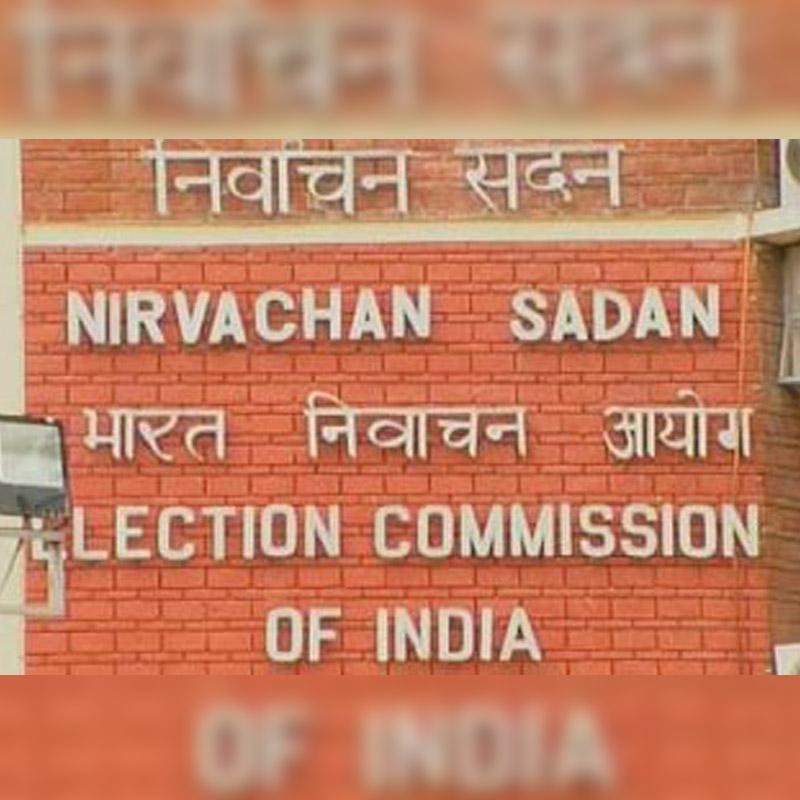
NEW DELHI: In a bid to buy time, which would also result in some benefit to the private FM players, the Indian government proposes to refer the issue to the Election Commission after the finance ministry airs its view on the matter.
According to sources in the information and broadcasting ministry, the finance ministry’s views on the issue were not available till 1 pm on Wednesday. But, it was pointed out, that whatever may be the stand, the issue would be referred to the election regulator as the “government does not want to take any steps that would raise the hackles of the opposition parties or the EC.”
This step, some observers felt, is likely to benefit the private FM players who would gain more time after the deadline of 29 April for paying up fee for renewal of licence, expires.

Now, if the government refers the issue of licence fee for FM radio stations to the EC in the first week of May, there is a possibility that the election regulator may not like to take any stand on the issue as the last of the votes would be polled on 10 May, which would leave very little time for a decision to have any effect on anybody, including the private FM players.
Why? “As long as the issue is kept referred to various parties, not even the strictest of bureaucrats could demand licence fee from private FM companies or compel them to go off the air,” a government source close to the whole issue opined, indicating that the outgoing government would not like to upset media companies in the last phase or the slog overs of the election process.
It was a part of this game plan that made the I&B ministry refer the FM radio case to the finance ministry yesterday, even though the issue had been brought to the notice of I&B minister Ravi Shankar Prasad last month, as reported by indiantelevision.com then.
Still, not content with writing a petition to Prasad on the licence fee issue —- four FM companies were signatories — Entertainment Network India Limited, which runs Radio Mirchi has taken the legal route. Its petition seeks to restrain the government from attaching its bank guarantee in the event of non-payment of license fees by 29 April.
The total amount of licence fee payable by the existing players is in the region of Rs 1 billion.





News Broadcasting
CNN-News18 to host Fury in the Gulf conclave on West Asia crisis
Three-hour summit to unpack geopolitical fallout and impact on India
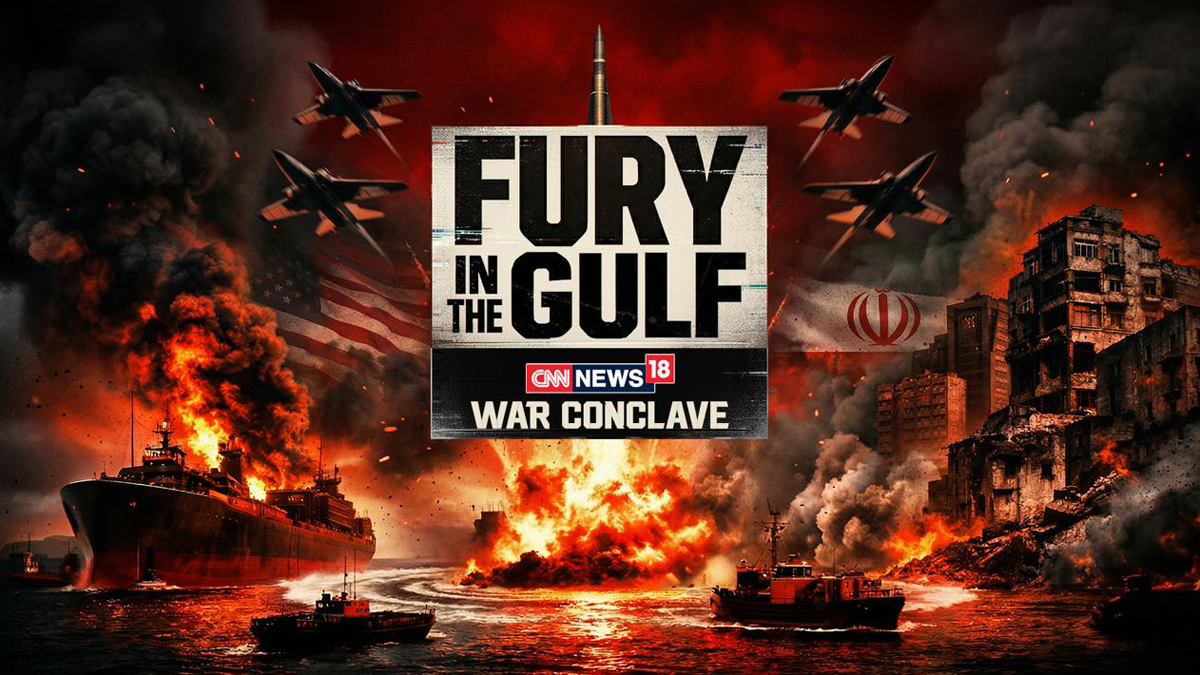
MUMBAI: CNN-News18 is set to host a special three-hour broadcast, Fury in the Gulf – War Conclave, on April 7, aiming to decode the escalating West Asia crisis and its far-reaching implications for India.
Scheduled from 4:00 PM to 7:00 PM, the conclave comes at a time when tensions between Iran and the United States are reshaping global geopolitics and triggering economic uncertainty. With India’s deep energy ties, trade links and large diaspora in the Gulf, the developments carry significant domestic relevance.
Built around the theme ‘Conflict, Consequences, and The Future,’ the programme will feature six curated sessions combining one-on-one interviews and panel discussions. The focus is to cut through the clutter and offer viewers a clearer understanding of the fast-evolving situation.
Key sessions include ‘Diplomacy in Times of War’ featuring Shashi Tharoor, and ‘World After the Iran Conflict’ with voices such as Ram Madhav, Reuven Azar, representatives from the European Union and the Iranian Deputy Envoy. Another session titled ‘Another Dunkirk?’ will bring together K. J. S. Dhillon and Jitin Prasada among others.
CNN-News18 editorial affairs director Rahul Shivshankar said, “In times of war, clarity becomes the most powerful tool. Fury in the Gulf – War Conclave brings together credible voices to address the questions and confusion that arise amid an overwhelming influx of information.”
He added that the initiative is aimed at delivering “facts, perspective, and insight” at a time when misinformation can easily cloud public understanding.
Echoing the sentiment, CNN-News18 CEO– English and business news Smriti Mehra said the conflict marks a defining global moment, with consequences that extend well beyond the region. She noted that the conclave seeks to present the crisis with “depth, nuance and responsibility” so audiences can better grasp its real-world impact.
As geopolitical tensions continue to dominate headlines, the conclave positions itself as an attempt to bring order to the noise, offering viewers a structured, insight-led look at a complex and rapidly shifting global situation.






