iWorld
Govt may invite bids for railway TV content this month, market pegged at Rs 2.3k cr

MUMBAI: Content on demand on trains and at stations is a sizeable market, says a report by the Boston Consulting Group (BCG) and, the Indian Railways estimates the infotainment market to be around Rs 2,277 crore in three years’ time.
The Railway Ministry, in a bid to revamp railways, may invite bids for Content on Demand (CoD) and rail radio services in April. Services that would be included under the CoD initiative are — movies, TV serials, short videos, kids’ shows and devotional content. The CoD would also include streaming audio such as regional songs, movie songs, and devotional music; and providing electronic newspapers, gaming and educational content.
Railways’ bids for app-based cab services will also be invited by May.

The video, radio, digital music and digital gaming contracts will be for a period of 10 years. The railways is, through these initiatives, expecting revenue of Rs 16,000-20,000 crore in the next 10 years.
As per the BCG report, to provide offline content, railways may have to shell out Rs 38,000 per coach. But, the online content will be expensive — for Rs 25 lakh each. Coaches are required to be well equipped to offer content streamed via the internet.
The non-fare revenue plan is to roll out rail radio and CoD on one-third of the trains in the first year and most of the remainder in the second year. Ideas such as allowing weddings at stations or giving branding rights of trains and stations to FMCG companies.
Content companies such as Balaji Productions, Eros Entertainment and Shemaroo Entertainment, and aggregators such as Fever FM, Radio Mirchi, Hungama and Bindass may be interested in bidding. Internet players and service-providers in the offline streaming market include Moving Talkies, Dwingloo, PressPlay TV, Fropcorn, TouringTalkies, Zonk, CloudPlay and MyFreeTV.
Telecom companies such as Vodafone, Idea, Airtel, are also expected to be interested. The content providers will offer to the passengers both, paid and free content. The service provider shall provide only ‘U’, ‘U/A’ and ‘PG’ rated video content. ‘A’ rated content shall not be allowed.
This government policy includes providing video and radio content through WiFi in stations and on trains, leasing spaces on platforms to automated teller machines, giving outdoor spaces for installing advertising hoardings and billboards.
According to the railways, the entertainment CoD will be provided on the personal devices of passengers at stations and in trains and in a phased manner, which will be listed out in the Tender Document. The licensee/service provider will be permitted to provide streaming video and audio content services. Radio, however, will not be allowed at stations.



iWorld
Samay Raina returns with Still Alive, confronts 2025 controversy in bold comeback special
Comeback set tackles controversy, blending humour with raw storytelling
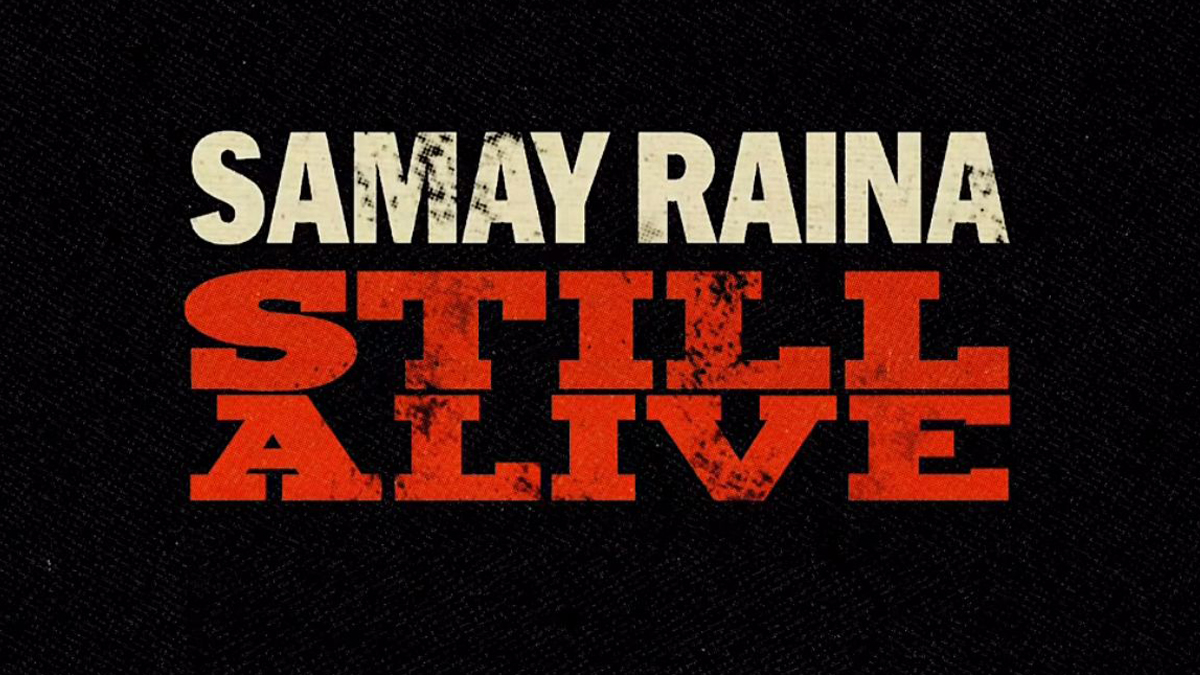
MUMBAI: Samay Raina is set to release his new stand-up comedy special, Still Alive, on YouTube on April 7, 2026, marking a high-profile return following a turbulent year.
The trailer for the special dropped on April 5, offering a glimpse into what Raina describes as a raw and unfiltered set that leans as much on honesty as it does on humour.
Positioned as a comeback of sorts, Still Alive draws heavily from the controversy surrounding his show India’s Got Latent in early 2025. The episode led to legal trouble, multiple FIRs, and a lengthy six-hour interrogation by the Maharashtra Cyber Cell, placing the comedian at the centre of intense public scrutiny.
Rather than sidestep the episode, Raina leans into it. The special reflects on the fallout and his personal journey through it, blending observational comedy with moments of emotional candour. Early audience feedback from live performances suggests the tone is less about rapid-fire punchlines and more about storytelling with bite.
The special was filmed during his global Still Alive & Unfiltered tour, which ran from August 2025 to early 2026. The tour saw Raina perform across major international venues, including the Madison Square Garden Theatre in New York, a milestone that places him among the youngest Indian comedians to take that stage.
The title itself signals resilience. “Still Alive” is a nod to navigating both legal and public backlash while choosing to remain unapologetically authentic, a theme that appears to anchor the set.
With the special set to premiere online, all eyes are now on how audiences respond to a performance that promises equal parts reflection and wit. For Raina, the message is clear. He is not just back, he is ready to be heard on his own terms.






