eNews
Google taps Raveesh Dev to chase small business growth across the Americas


NEW DELHI: Climbing the ladder at Google takes stamina. Raveesh Dev has just demonstrated plenty of it. After nearly ten years shuttling between roles at the tech giant, Dev has been named head of en-Americas, SMB growth, a position that puts him in charge of scaling Google’s small and medium-sized business operations across the Americas from the company’s Gurugram office.
The promotion, announced in October 2025, caps a rapid ascent through Google’s commerce division. Dev spent the past two years as head of commerce for India, leading go-to-market strategy for advertisers in travel, retail, beauty and healthcare. Before that, he briefly helmed multichannel and consumer packaged goods operations. His track record includes steering a business generating hundreds of millions of dollars in annual recurring revenue and winning Google’s 2024 APAC sales leader award.
Dev’s 15-year career spans media and technology. Before joining Google in 2016, he cut his teeth in advertising sales at Times Television Network, where he rose to associate account director, and earlier at Red FM and Reliance Broadcast Network. His pitch is straightforward: scale businesses, mentor teams, drive operational excellence. It’s corporate speak, but his promotions suggest he delivers.

The Americas SMB role is no easy brief. Small businesses are notoriously fickle customers, quick to churn when platforms don’t deliver immediate results. Google’s challenge is keeping them hooked on advertising products whilst fending off rivals like Meta and Amazon. Dev’s experience in India’s chaotic, price-sensitive market may prove useful, though the Americas present their own headaches.
Dev’s LinkedIn post struck the obligatory note of gratitude—thanking mentors, celebrating teams, expressing excitement. What matters more is whether he can translate India’s lessons into growth across vastly different markets. Google clearly thinks he can. Time will tell if they’re right.







eNews
Piyush Thakur steps down as Inshorts’ chief revenue officer
Former vice president and cro says exit marks a new chapter after close to a decade of building revenue and partnerships at Inshorts Group.
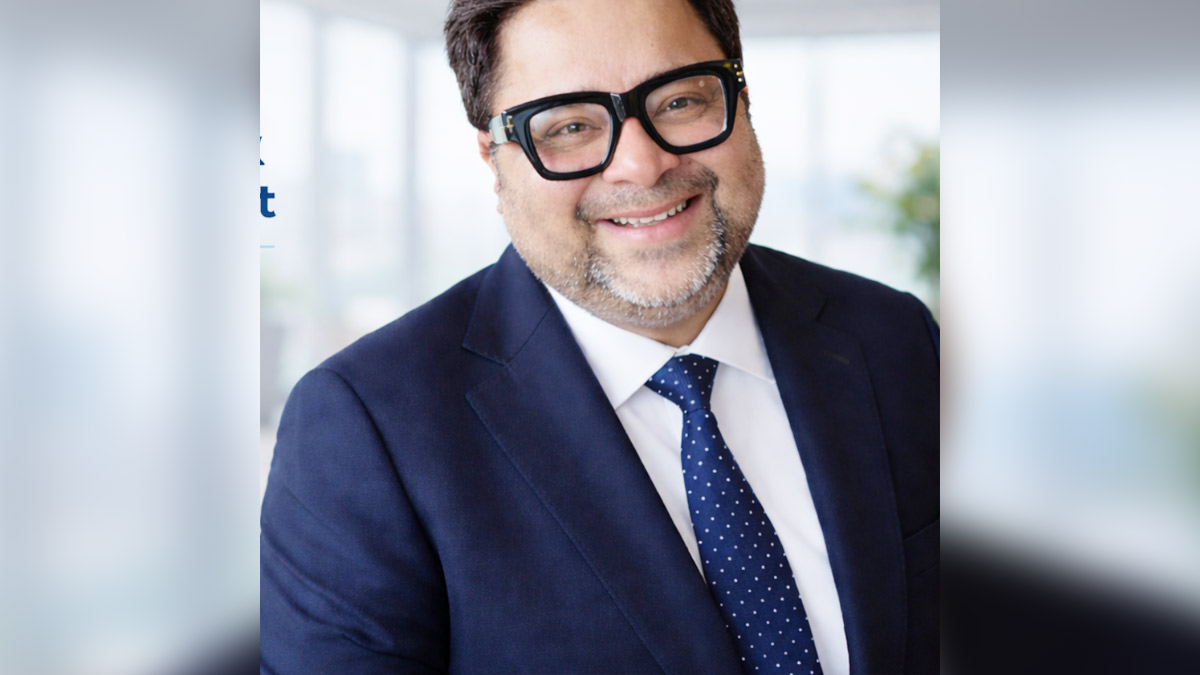
NOIDA: Piyush Thakur has stepped away from Inshorts Group after nearly 10 years with the company, marking the end of a long tenure that culminated in his role as chief revenue officer.
In a farewell note, Thakur said he was “turning a new page” after almost a decade at Inshorts, calling it one of the hardest professional decisions he has made. He added that his exit was not driven by uncertainty about the future, but by reflection on a long association with the company.
Thakur joined Inshorts in October 2016 as vice president and spent around seven years in the role before being elevated to chief revenue officer in April 2024, a position he held until April 2026.
He said his tenure was defined by “thousands of mornings, late nights, product debates and breakthrough moments”, as the company evolved into a large-scale digital news platform used by millions.
In his note, Thakur emphasised that Inshorts’ growth was a collective effort across teams, adding that engineers, designers, sales teams and customer support staff all contributed to building the platform. He said the company’s success was not the result of individuals but of “everyone who stayed, passed through, and left their mark”.
Before Inshorts, Thakur worked across several digital media and business development roles. At ESPN, he served as senior regional manager from October 2015 to October 2016, focusing on growth initiatives, strategic opportunities and video distribution.
At Times Internet, he worked for nearly three years, including as head of business development from April 2015 to September 2015 and chief manager from January 2013 to March 2015. His responsibilities included monetisation of mobile platforms, managing media and developer partnerships, and driving revenue across digital properties such as The Times of India and The Economic Times.
Earlier, he worked at Brandmovers as head of business development from June 2012 to June 2013, handling digital, mobile and social media marketing solutions, client development and strategic consulting. During this period, he also worked on advertising revenue, brand strategy and CRM-based solutions.
At Inshorts, Thakur’s role focused on revenue strategy, mobile and media partnerships, and growth initiatives across platforms. His profile highlights experience in mobile product management, digital business models, partner ecosystems and revenue expansion in high-growth environments.