Gaming
Google says it prepared to open Play Store gates for real-money gaming in India

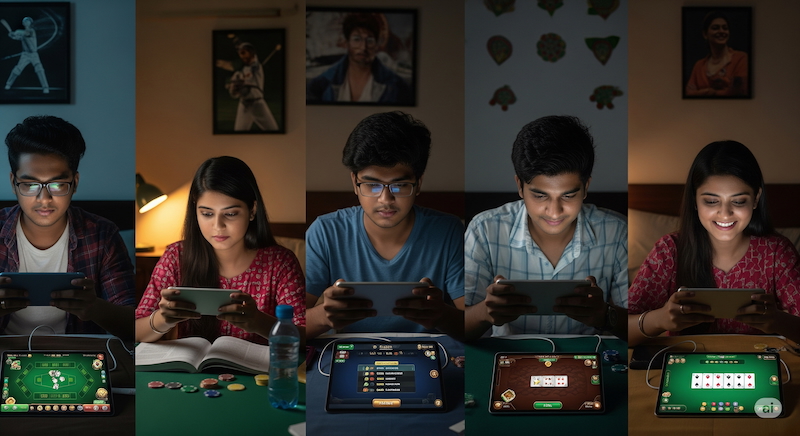
MUMBAI: Google has told India’s competition watchdog it is finalising a business model to accommodate the country’s booming real-money gaming (RMG) sector, in a proposal that could see all permissible formats return to the Play Store. The Competition Commission of India (CCI), which is conducting an ongoing antitrust probe, has invited public comments on Google’s plan until 20 August.
All India Gaming Federation (AIGF) chief executive Roland Landers called the move “a timely and welcome step” toward a fairer and more transparent digital ecosystem. He noted that Google’s recognition of certificates issued by self-regulatory bodies such as the All India Skill Gaming Council (AISGC) would “empower responsible operators, support innovation, and ensure a safer experience for Indian consumers.”
The AISGC, chaired by a former supreme court justice, has since 2018 applied a detailed legal and analytical framework to determine whether a game qualifies as one of skill under Indian law.

AIGF, the country’s largest and oldest gaming industry body, said the proposal could lower entry barriers, level the playing field for smaller firms, and boost jobs and digital inclusion. The federation represents more than 120 members, including many MSME startups, who together serve over 40 crore Indian gamers and are collectively valued at more than $10 billion.
If the CCI approves the plan, India’s gaming sector — long hobbled by inconsistent platform policies — could be set for a growth spurt.







Gaming
Konami concludes successful eFootball India campaign
Campaign featuring Rinku Singh, Varun Chakravarthy and other stars boosts engagement ahead of FIFA World Cup 2026.
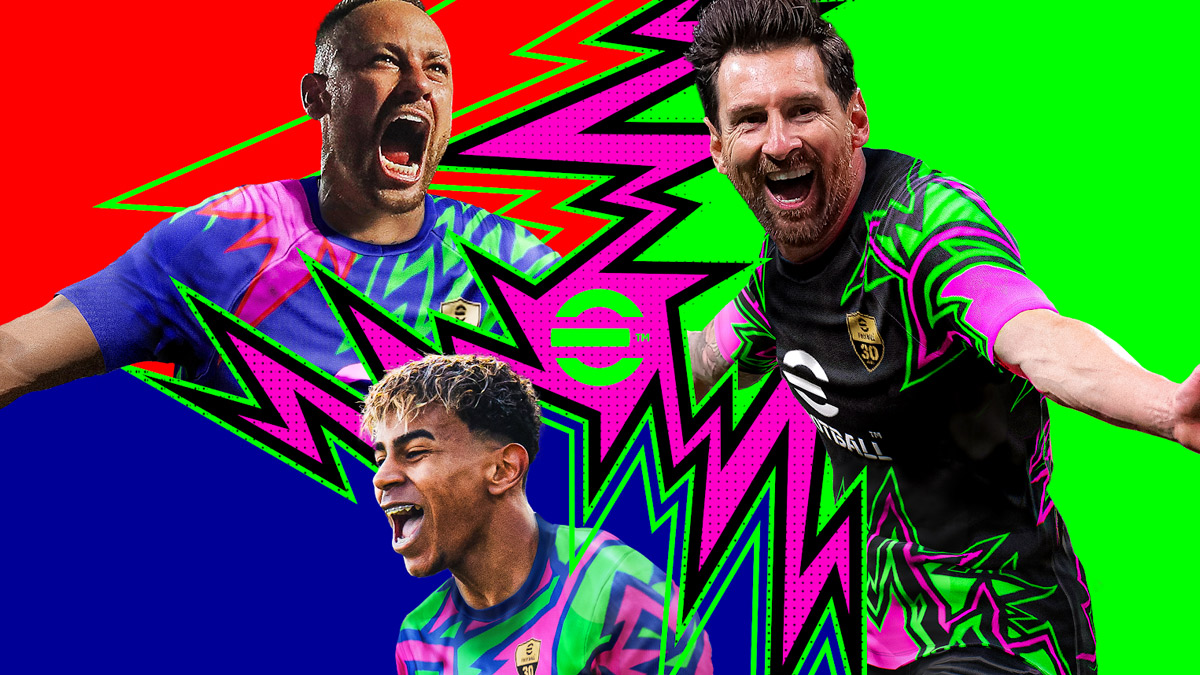
MUMBAI: When cricket meets football in the virtual world, even the biggest fans can’t help but score and Konami’s latest eFootball campaign in India has clearly hit the back of the net. Konami Digital Entertainment has successfully wrapped up its India campaign for eFootball, which brought together cricketers Rinku Singh and Varun Chakravarthy, actors Naslen Gafoor and Chandu Salim Kumar, and footballers Sahal Abdul Samad and Shubhasish Bose. The multi-star campaign generated strong excitement across gaming, football, and creator communities through social content, fan participation, and in-game engagement.
Building on the initial launch that featured a limited-time Lionel Messi card, the campaign united fan communities, lifestyle creators, football creators, and competitive eFootball influencers. It significantly expanded the game’s visibility and deepened engagement with fans across the country.
The campaign also saw thousands of entries submitted as part of its social media engagement challenge, reflecting high levels of community enthusiasm and active creator involvement.
Looking ahead, Konami plans to build on this momentum with more eFootball experiences for Indian fans as the FIFA World Cup 2026 approaches. With global attention on the tournament set to rise, India will remain a key market for deepening community engagement and bringing fans closer to the action.
In a country that lives and breathes sport, Konami has shown that mixing real-world stars with virtual thrills is a winning formula leaving fans eagerly waiting for the next goal.






