iWorld
Google promises more transparency in online election ads

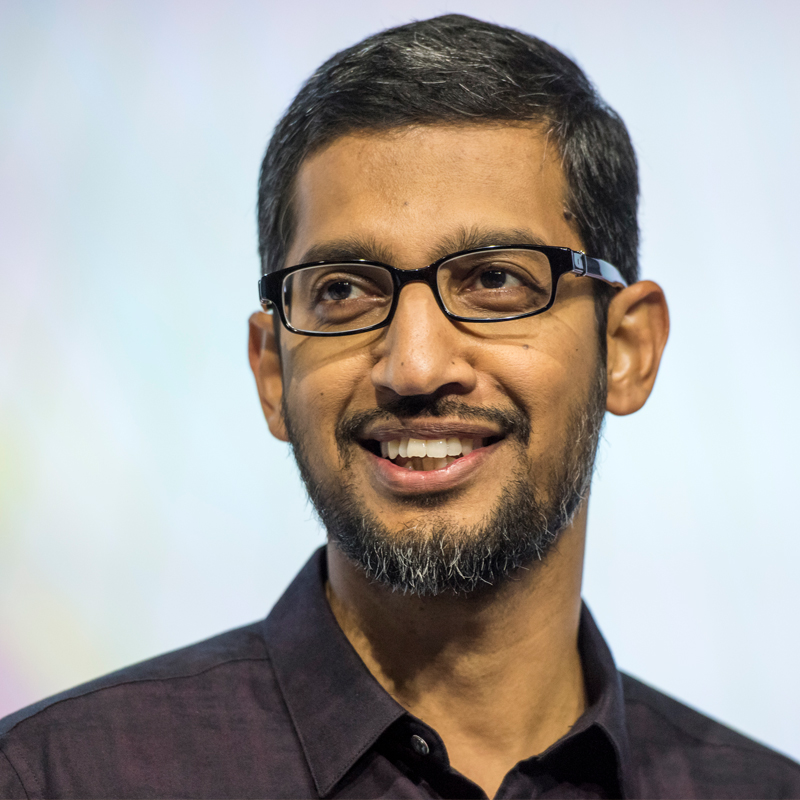
MUMBAI: Google has vowed to take India specific initiatives aiming at transparency in political advertisements on its platform ahead of general elections in the country. The tech giant will provide details of advertisers as well as money spent on such ads.
"To bring more transparency to the online election ads, Google will introduce an India-specific Political Advertising Transparency Report and searchable Political Ads Library. These will provide comprehensive information about who is purchasing election ads on Google platforms and how much money is being spent," Google said in a statement. The report and ads library will also enable voters to get the election-related information they need.
Apart from that, Google has updated election ads for the country. Under the new policy, the platform requires advertisers seeking to run poll ads to provide a ''pre-certificate'' issued by the Election Commission of India (ECI) or anyone authorised by the ECI, for every ad they wish to run. Along with that Google will verify the identity of advertisers before their election ads run on its platforms.

Google said the advertiser verification process will begin on 14 February, while the India Political Ads Transparency Report and Ads Library will go live in March 2019.
The digital ad spend forecast report published by Dentsu Aegis Network predicts digital ad spend will touch Rs 14,281 crore by 2019. A majority of this predicted amount will come defiantly come from election ads.
“In 2019, over 850 million Indians are expected to cast their vote to elect the country’s next government. We’re thinking hard about elections and how we continue to support democratic processes in India and around the world. In line with this, we are bringing more transparency to election advertising online, and surfacing relevant information to help people better navigate the electoral process,” Google India Public Policy director Chetan Krishnaswamy said.
Google will also make electoral information from the Election Commission and other authoritative sources easily discoverable on search for the upcoming election.







iWorld
JioHotstar enters micro-drama space with 100 shows under Tadka banner
Short-form push targets 300M users as content meets commerce in new format
MUMBAI: JioStar has made a bold play in India’s fast-growing micro-drama space, rolling out over 100 short-form shows under its new Tadka banner on JioHotstar, timed with the massive viewership surge of the Indian Premier League 2026.
The scale of the launch signals clear intent. Rather than testing the waters, the company has dived in headfirst, releasing a wide slate of content on day one. Each show is designed for quick consumption, with episodes running 60 to 90 seconds in a vertical format tailored for mobile-first audiences.
The move comes as India’s micro-drama market, currently valued at around $300 million, is projected to grow tenfold to over $3 billion by 2030. Globally, the format has already proven its mettle, with China’s micro-drama sector recording explosive growth in recent years.
What sets this rollout apart is its built-in monetisation strategy. The shows are free to watch and ad-supported, with brand integrations woven directly into storylines from the outset. It reflects a broader shift where content and commerce are increasingly intertwined, rather than operating in silos.
The timing is equally strategic. With more than 300 million users already tuning in for IPL action, JioHotstar is effectively turning cricket’s biggest stage into a discovery engine for its new format.
The company is not entering an empty arena. Early movers like Kuku TV, MX Player and platforms backed by Zee Entertainment Enterprises have already laid the groundwork, building audiences and validating demand for snackable storytelling.
Now, with scale, distribution and advertiser interest aligning, the big players are stepping in. For JioStar, Tadka may well serve as a proving ground for the next evolution of digital entertainment, where every minute counts and every second sells.
If the bet pays off, India’s next big content wave might just arrive in under 90 seconds.






