iWorld
Google Assistant becomes bilingual

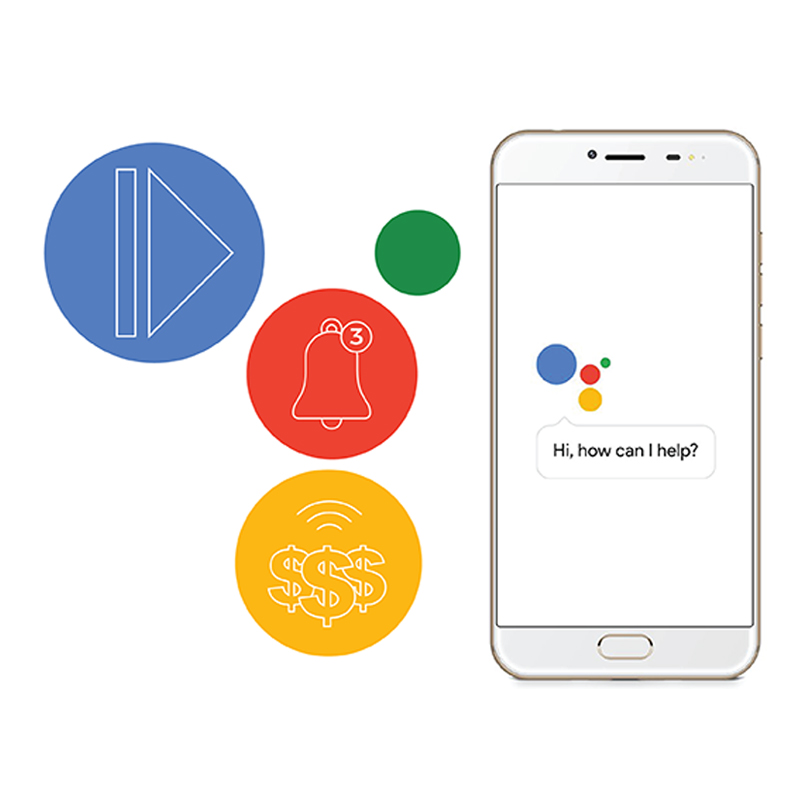
MUMBAI: Google keeps dominating the tech scene across world with constant upgradation of its features. The tech giant has announced that it will now be able to understand and speak more than one language at a time.
Users can now speak two languages interchangeably with the Assistant on smart speakers and phones. This move is a part of Google’s multi-year effort to make user-Assistant conversations more natural.
“Currently, the Assistant can understand any pair of languages within English, German, French, Spanish, Italian, and Japanese. We’ll be expanding to more languages in the coming months,” the company said. It is also aiming to make Assistant trilingual in the future.

In US market, Google’s Home speakers lag behind Amazon.com’s Echo speakers with roughly 27 percent of the market as compared with Amazon’s 41 percent. But according to analysts, the scene is different internationally as Amazon doesn’t have the same brand recognition outside of the United States.
“We hope multilingual will encourage more use of the Assistant in bilingual homes, thus helping us continue to improve our training models,” Google said as quoted by The Washington Post.






Gaming
Nodwin Gaming partners with Runestone for esports data and integrity solutions
South Asian esports leader joins forces with Czech tech firm to enhance tournament operations.
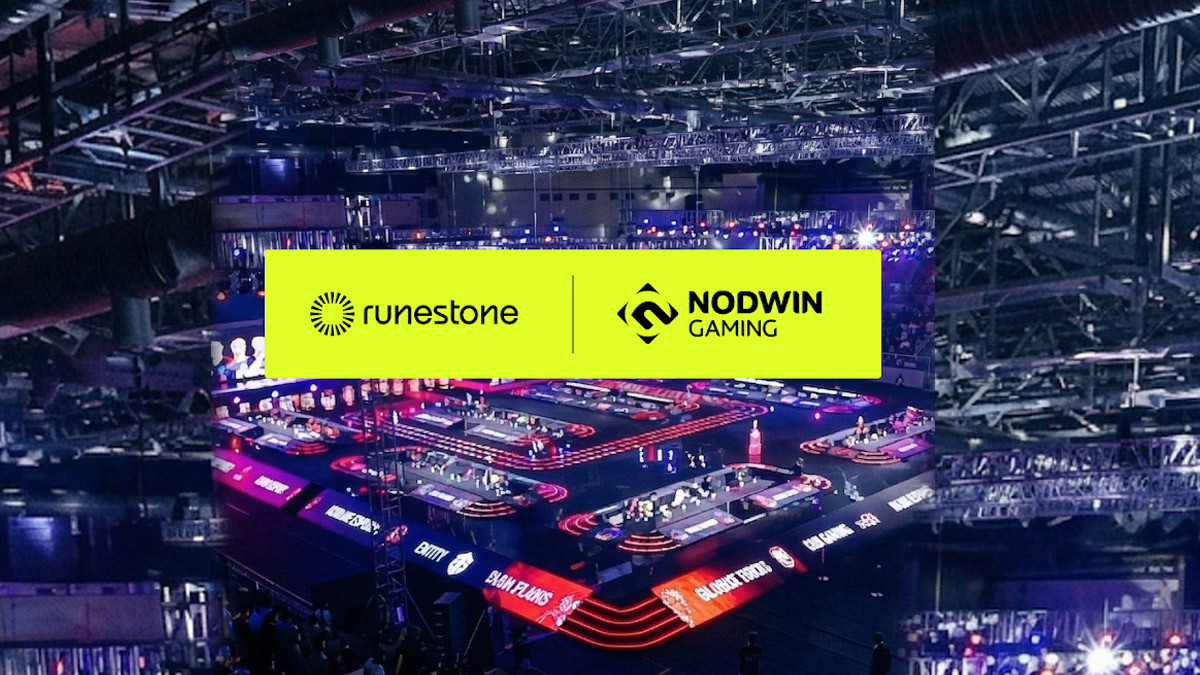
MUMBAI: Nodwin Gaming has just levelled up its game by bringing in a specialist to keep the scoreboard honest and the fans fully engaged. The leading South Asian esports and gaming company has announced a strategic partnership with Runestone, a Prague-headquartered esports technology firm specialising in real-time data and engagement solutions for tournament organisers and publishers.
The collaboration aims to strengthen competitive integrity, improve operational oversight, and deliver more interactive viewing experiences across Nodwin’s properties. It will initially focus on the Nodwin Clutch Series for Counter-Strike 2, a Tier 2 tournament that provides emerging teams with consistent competitive opportunities and helps build the talent pipeline.
The latest edition of the series recently concluded with Big defeating ECSTATIC 2–1 in the grand final of the $50,000 online event.
Nodwin Gaming chief business officer at MENA and global head of data monetization Teemu Koski said, “Integrity and transparency are fundamental to sustainable esports ecosystems, especially in Tier 2 competition where the next generation of talent emerges. Runestone’s expertise complements our experience in building scalable esports IPs.”
Runestone head of partnerships Michael Schwartz added, “Nodwin Gaming has built one of the most dynamic esports ecosystems across emerging markets. We’re thrilled to collaborate on supporting tournaments with greater transparency, deeper fan interaction, and scalable tools.”
Both companies are exploring opportunities to extend the partnership across additional titles, including mobile-first competitive ecosystems, and to develop new products for publishers, tournament operators, and event promoters.
In the rapidly growing world of esports, where fair play and fan excitement are equally crucial, Nodwin Gaming and Runestone are teaming up to ensure every match is not only competitive but also transparent and engaging. This alliance could well become a game-changer for Tier 2 tournaments across South Asia and beyond.







