Hindi
Goa to build film city within two years: Wagh

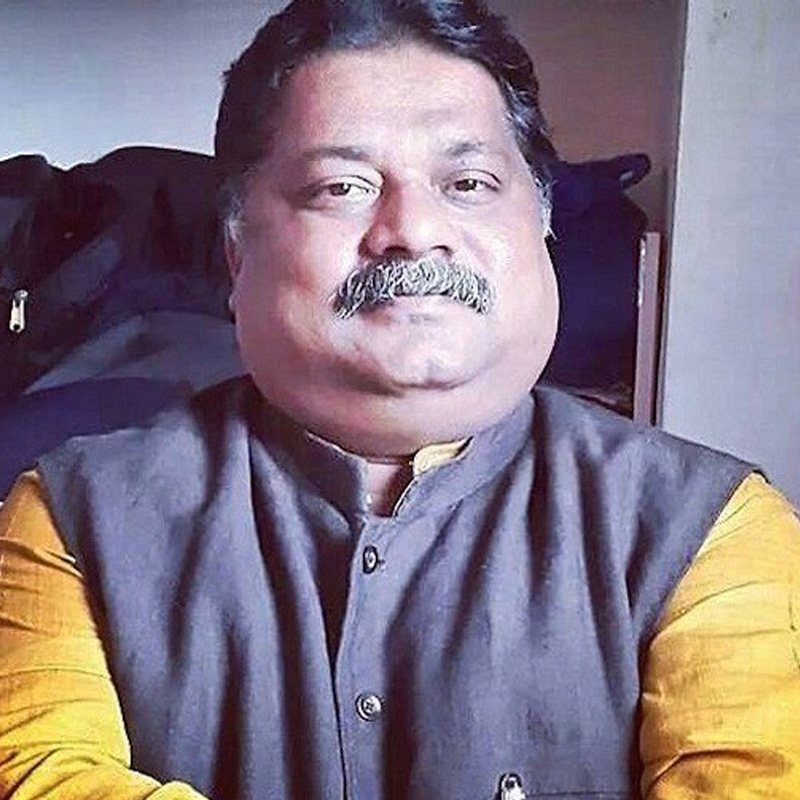
PANAJI: Goa is well on its way to building a film city and will be adding at least two multiplexes and a convention centre over the next two years in Panaji which plays host to the International Film Festival of India.
This was announced by Vishnu Surya Wagh, Chairman of the Kala Academy and Vice Chairman of the Entertainment Society of Goa, at the inauguration of the Open Forum at the Festival venue. The Open Forum has been organised by the Federation of Film Societies of India with the Indian Documentaries Producers Association with the cooperation of the IFFI Secretariat and the ESG.
Referring to local criticism about hosting a Festival at a time when the state was facing an economy crunch, he said there was need to develop cinema as an alternate business which could bring in as much revenue as other businesses did.

Wagh, who is an MLA, said the state government was in the process of consulting film personalities to shortlist a suitable place for a film city. He said it was unfortunate that filmmakers who came to Goa to shoot often had to bring their own equipment as there was no infrastructure.
However, he said Goa recently won the Cinemascapes award for the Best Film Destination in India.
Referring to ESG, he said the Society had been set up to facilitate IFFI to hold the Festival here after the decision to make this the permanent venue.
IFFI Director Shankar Mohan said the entire world was moving towards digital technology and therefore some films had been screened only at Kala Academy and it was not possible to re-screen them elsewhere. This had been done to prevent theft of copyright and prevent video piracy. He said 60 per cent of the films here were in DCP, which meant that reels were not available and passwords were needed to screen these films.
He said the Festival this year had seen tremendous vibrancy and a steep jump in the number of delegates. The Open Forum had now moved to a greater purpose and focus. Each section had its own genre, he added.
IDPA President Mike Pandey welcomed the idea of a film city in Goa and said this would help the growth of better cinema.
FFSI President Kiran Shantaram and Sudhir Nandgaonkar also spoke at the forum which will be held daily till 29 November at 1.30 pm in the area outside Inox.







Hindi
Zee5 and Applause Entertainment team up for whodunnit ‘Everybody Loves Sohrab Handa’
Rajat Kapoor directs star-studded murder mystery streaming from 10 April.
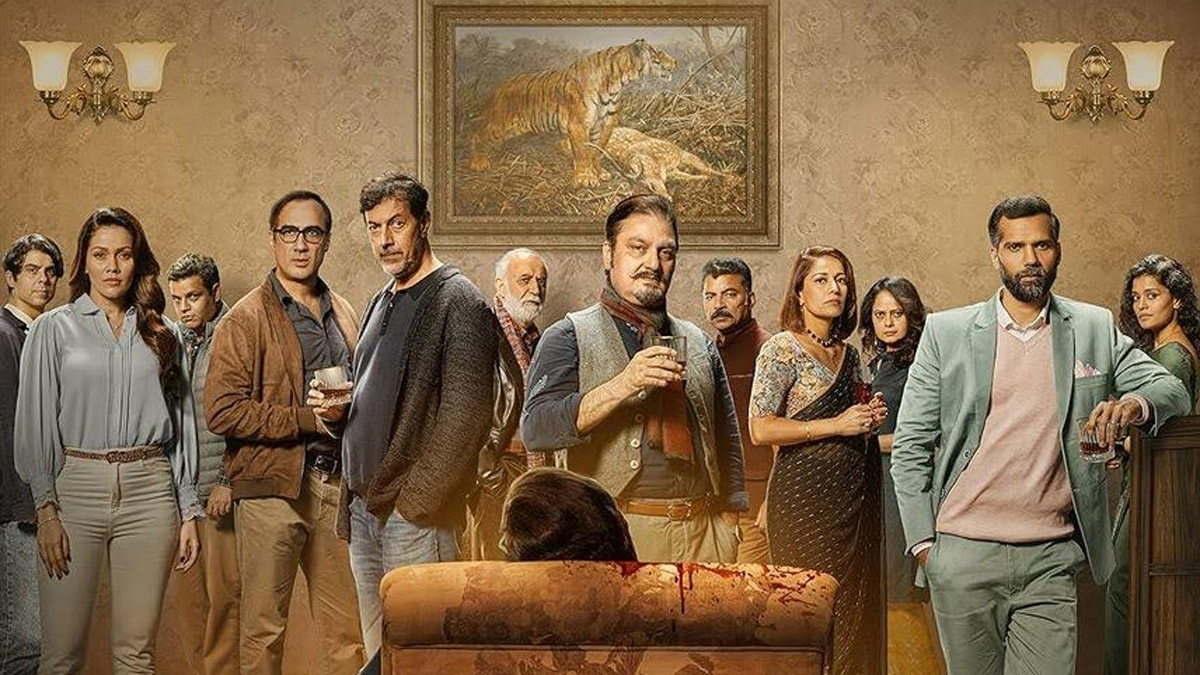
MUMBAI: Zee5 is serving up another killer collaboration and this time, the murder mystery comes with a generous side of dark humour and family dysfunction. The streaming platform has partnered with Applause Entertainment and Mithya Talkies to bring Everybody Loves Sohrab Handa, a fresh, twisted whodunnit written and directed by acclaimed filmmaker and actor Rajat Kapoor. The film will stream exclusively on Hindi Zee5 from 10 April.
The movie reimagines the classic murder mystery genre with a contemporary, darkly comic edge. It revolves around a group of friends and family who smile, drink, and celebrate together until the silence snaps and long-buried secrets spill out. The stellar ensemble cast includes Vinay Pathak, Ranvir Shorey, Waluscha De Sousa, Saurabh Shukla, Chandrachoor Rai, Neil Bhoopalam, Koel Purie, Palomi Ghosh, and Rajat Kapoor himself.
This latest offering continues the successful partnership between Zee5 and Applause Entertainment, which has previously delivered diverse hits such as Mithya, Bloody Brothers, and Jab Khuli Kitaab.
&TV Business Head of hindi Zee5 and chief channel officer Kaveri Das said, “Our collaboration with Applause Entertainment has consistently delivered distinct, high-impact storytelling. Everybody Loves Sohrab Handa is a natural progression, reinforcing our focus on genre-led content with a compelling whodunnit premise and a strong ensemble cast.”
Applause Entertainment business head for movies Sunil Chainani added, “This film adds yet another compelling layer to our slate with Rajat Kapoor’s unmistakable voice.”
Rajat Kapoor shared, “What interested me was not just the mechanics of a whodunnit, but the emotional violence that precedes physical violence. These are people who smile at each other, but there’s so much that is not said.”
The film promises razor-sharp writing, layered performances, and simmering tension, inviting viewers not just to solve the crime but to unravel the complex relationships at its heart.
If you love a good murder mystery served with wit and emotional depth, Everybody Loves Sohrab Handa looks set to be your next addictive watch. Mark your calendars, the whodunnit drops on Hindi Zee5 from 10 April.






