News Broadcasting
Global survey predicts strong future for mobile TV


MUMBAI: A new report European mobile phone users in early 2006, ‘New Mobile Services – Europe 2006’, from Portio Research, gives a resounding ‘thumbs up’ for mobile TV. Significantly over 50 per cent of those interviewed were interested in mobile TV and were prepared to pay for it, at an average price of €10 Euro per month.
The key findings:
• As many as 50 per cent of mobile users are interested in mobile TV and are prepared to pay on average €10 for ‘all you can eat TV’ – the potential market is huge even when based on conservative uptake.

• Video calling is in its infancy with only 6 per cent of the survey sample having used it already, however over 60% of those interviewed expressed both an interest in using the service and a willingness to pay for it.
• Mobile advertising is a big turn off for most with over 65 per cent of survey respondents expressing a zero tolerance attitude to what many consider to be spam, or advertising that you have pay for when ‘snacking’ on TV.
It is clear that mobile TV will create a market for more TV viewing in addition to that at home, delivering the notion of ‘TV snacking’ whilst on the move. News and weather for professionals commuting to work, celebrity gossip and game show updates for the young professional and music videos for teenage fans. Sports aficionados also appear to be keen to grab the latest action whenever they can. All the evidence suggests that even at conservative estimates the market potential is huge, states an official release.
Video calling whilst still in its infancy obviously holds an attraction for many users particularly the teen market 85 per cent of whom expressed a desire to use video calling in the future. Interestingly pre-paid subscribers were willing to pay more than post paid subscribers per call. Once again the research indicates a very attractive market with the potential for perhaps as many as 400 million Europeans using the service.
One of the most interesting findings of the survey is consumer attitudes to mobile advertising, with over 65 per cent of those questioned expressing zero tolerance to what many consider to be an unwelcome intrusion into their mobile world. As well as being likened to e-mail spam, advertising was considered particularly unacceptable if it intruded on paid for time watching mobile TV, the release adds.
The survey undertaken by Portio provides many different insights into mobile user attitudes and trends across all major European markets. Italy and Spain for example turn out to be the mobile content hotspots whilst users in Denmark, France and Russia prefer to use content and services pre-installed on their phones. Men continue to prefer buying online while women prefer to go shopping for real. There is plenty of good news in this report for mobile network operators.






News Broadcasting
CNN-News18 to host Fury in the Gulf conclave on West Asia crisis
Three-hour summit to unpack geopolitical fallout and impact on India
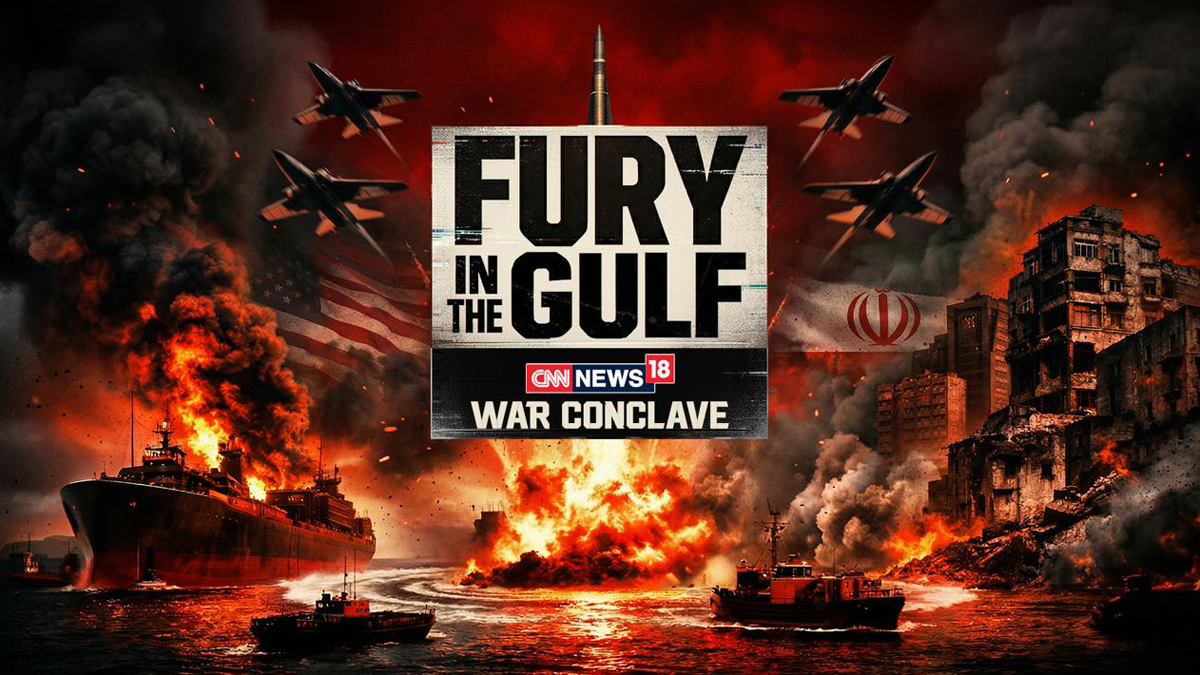
MUMBAI: CNN-News18 is set to host a special three-hour broadcast, Fury in the Gulf – War Conclave, on April 7, aiming to decode the escalating West Asia crisis and its far-reaching implications for India.
Scheduled from 4:00 PM to 7:00 PM, the conclave comes at a time when tensions between Iran and the United States are reshaping global geopolitics and triggering economic uncertainty. With India’s deep energy ties, trade links and large diaspora in the Gulf, the developments carry significant domestic relevance.
Built around the theme ‘Conflict, Consequences, and The Future,’ the programme will feature six curated sessions combining one-on-one interviews and panel discussions. The focus is to cut through the clutter and offer viewers a clearer understanding of the fast-evolving situation.
Key sessions include ‘Diplomacy in Times of War’ featuring Shashi Tharoor, and ‘World After the Iran Conflict’ with voices such as Ram Madhav, Reuven Azar, representatives from the European Union and the Iranian Deputy Envoy. Another session titled ‘Another Dunkirk?’ will bring together K. J. S. Dhillon and Jitin Prasada among others.
CNN-News18 editorial affairs director Rahul Shivshankar said, “In times of war, clarity becomes the most powerful tool. Fury in the Gulf – War Conclave brings together credible voices to address the questions and confusion that arise amid an overwhelming influx of information.”
He added that the initiative is aimed at delivering “facts, perspective, and insight” at a time when misinformation can easily cloud public understanding.
Echoing the sentiment, CNN-News18 CEO– English and business news Smriti Mehra said the conflict marks a defining global moment, with consequences that extend well beyond the region. She noted that the conclave seeks to present the crisis with “depth, nuance and responsibility” so audiences can better grasp its real-world impact.
As geopolitical tensions continue to dominate headlines, the conclave positions itself as an attempt to bring order to the noise, offering viewers a structured, insight-led look at a complex and rapidly shifting global situation.






