Gaming
GEMS | Monetisation, improved experiences required to level-up e-gaming in India: Dhaval Ponda

NEW DELHI: Gaming and e-sports is swiftly going mainstream in India and for the industry, it’s only onward and upwards from here. PUBG ban not withstanding, the sector is giving stiff competition to major sporting events while simultaneously attracting broadcasters, aggregators, players, and viewers – all the markers of a robust ecosystem of growth and success.
However, there are still certain areas that need work in order to fully tap into the industry’s potential. At the first Gaming, E-sports, and More Summit (GEMS), presented by indiantelevision.com and AnimationXpress.com, co-powered by Tata Communications, this hot-button issue was taken up and thoroughly examined by industry experts.
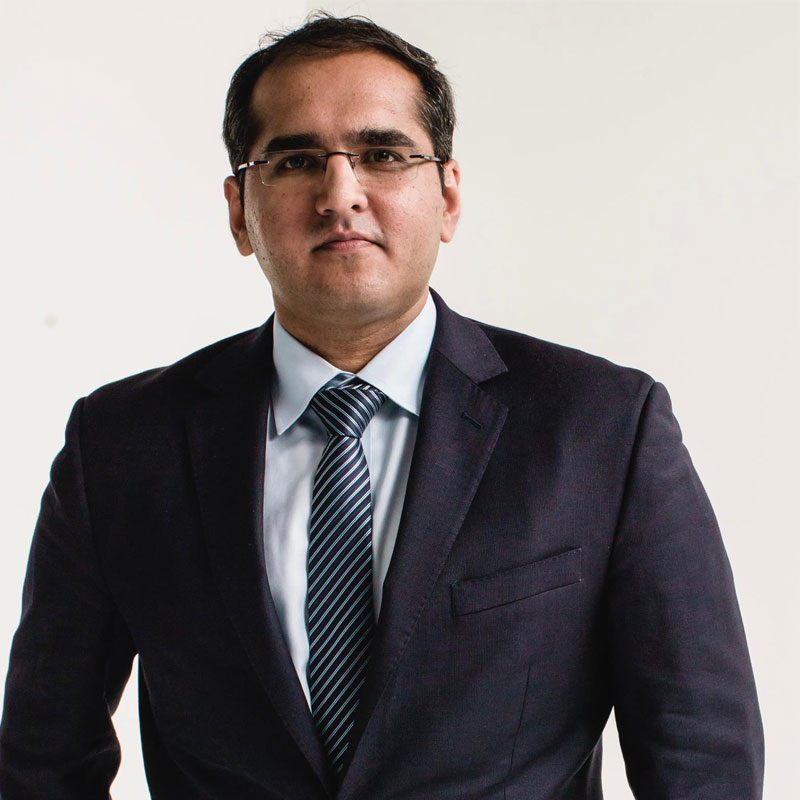
Opening the two-day-long virtual summit with his keynote address, Tata Communications global head media and entertainment Dhaval Ponda shed light on the emerging trends, growth drivers, and barriers impacting the Indian e-sports and gaming industry.

Read more news on gaming industry
While the Indian gaming crowd is growing at a faster click than the global community, it is still not getting the right monetisation and publishing support within the country, says Ponda. Indian gamers today make for 15 per cent of the global total but the domestic market size is less than 1 per cent in value. Indian game publishers are only 3 per cent of the global value.
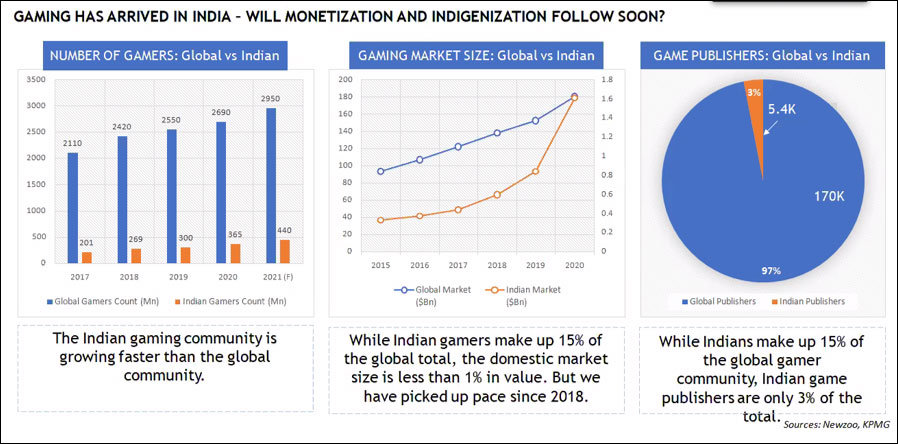
Though he insisted that things have started improving since 2018, there is still a lot of work that needs to be done in the sector of broadcasting and monetisation.
“We are seeing that e-sports gaming content is now being treated by these broadcasters as good as tier-1 traditional sports, and is being watched by millions of viewers. So, you (broadcasters) are also going to attract the same rights-holding fee that you would charge from tier-1 sports, like cricket and football,” stated Ponda.
Broadcasts will not only be crucial to gauge interest and get tongues wagging about e-sports,but also sustain andreinforce the community, he explained.
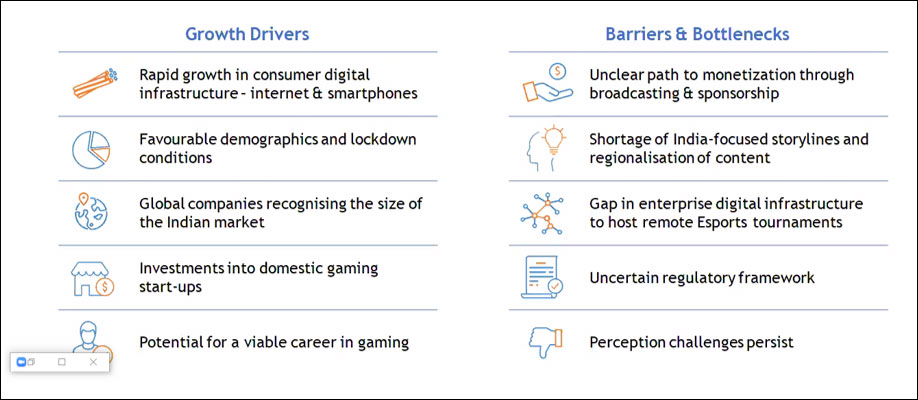
He added that the platforms also need to consider what else they can do beside streaming e-sports live to grab eyeballs, and make it an wholesome experience for viewers as well as the gaming community. “If you are investing, try and understand how you can be unique in your content. Ask yourself if you can have content outside of just gaming,” said Ponda. To drive his point home, he added: “For example, the way you document the NBA champions. Everyone knows where the player was born, what their history is.”
Read more news on Tata Communications
Ponda insisted that a similar culture needs to be developed for players in e-sports and gaming categories too. “People want to know who they (the players) are and where they are coming from. It is the sort of content that also sustains engagement and active viewership.”
User-experience is also going to be a crucial factor in promoting and supporting the community. “The digital infrastructure needs to grow leaps and bounds in terms of broadband and mobile internet availability. Furthermore, a sound cloud architecture, transcoding infrastructure and CDN infrastructure is required to have a good viewing experience,” he said.
Artistic and technical talent for the game development side is quite crucial too, Ponda pointed out, and suggested that the industry take inspiration from gaming studios in LA, London, and south Korea to finetune the culture within India.




Gaming
Konami concludes successful eFootball India campaign
Campaign featuring Rinku Singh, Varun Chakravarthy and other stars boosts engagement ahead of FIFA World Cup 2026.
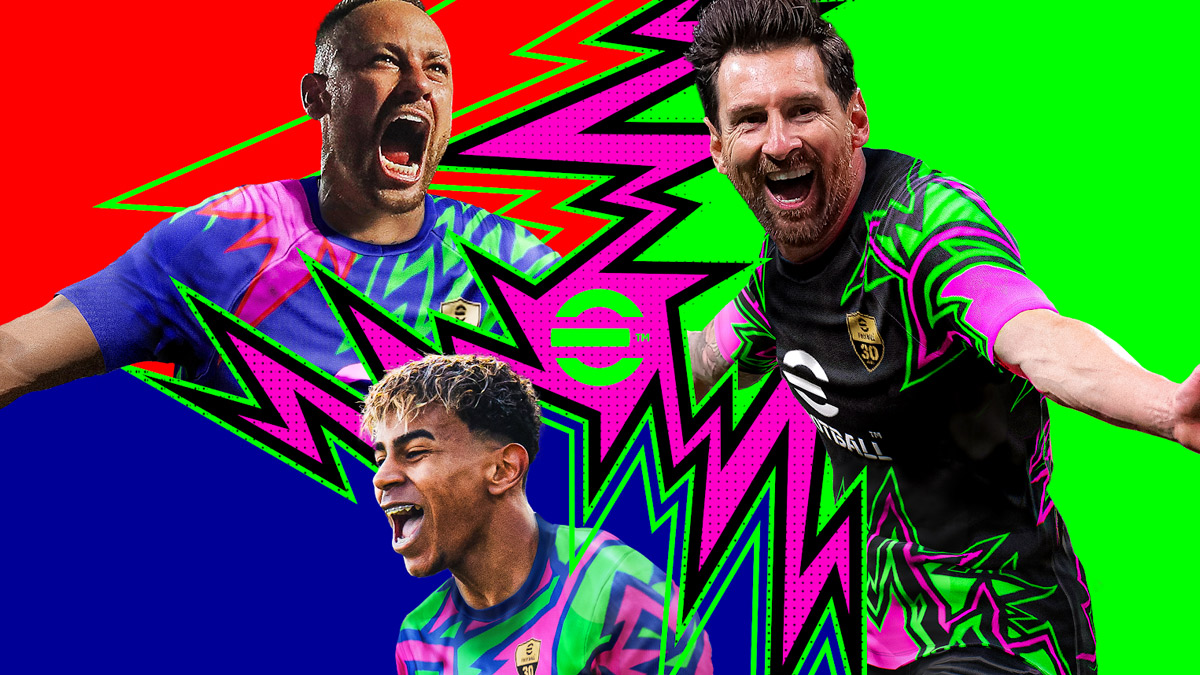
MUMBAI: When cricket meets football in the virtual world, even the biggest fans can’t help but score and Konami’s latest eFootball campaign in India has clearly hit the back of the net. Konami Digital Entertainment has successfully wrapped up its India campaign for eFootball, which brought together cricketers Rinku Singh and Varun Chakravarthy, actors Naslen Gafoor and Chandu Salim Kumar, and footballers Sahal Abdul Samad and Shubhasish Bose. The multi-star campaign generated strong excitement across gaming, football, and creator communities through social content, fan participation, and in-game engagement.
Building on the initial launch that featured a limited-time Lionel Messi card, the campaign united fan communities, lifestyle creators, football creators, and competitive eFootball influencers. It significantly expanded the game’s visibility and deepened engagement with fans across the country.
The campaign also saw thousands of entries submitted as part of its social media engagement challenge, reflecting high levels of community enthusiasm and active creator involvement.
Looking ahead, Konami plans to build on this momentum with more eFootball experiences for Indian fans as the FIFA World Cup 2026 approaches. With global attention on the tournament set to rise, India will remain a key market for deepening community engagement and bringing fans closer to the action.
In a country that lives and breathes sport, Konami has shown that mixing real-world stars with virtual thrills is a winning formula leaving fans eagerly waiting for the next goal.






