News Broadcasting
Games on demand TV network TVHead looks to gain momentum in the US


MUMBAI: Bringing high-quality casual games to broad television audiences, US firm TVHead has announced the details of its premier games-on-demand TV network.
TVHead says that it opens up new revenue streams for American cable and IPTV operators by offering the nation’s first massively deployable games-on-demand network for cable and IPTV. This news is the culmination of 18 months of stealth development.
The TVHead Games-On-Demand Network (TVHead) integrates into existing video on demand (Vod) infrastructure providing a uniform high-quality game experience to 100% of Vod-enabled households. The servicve will target nearly 60 million North American households that spent $11 billion last year to play games on consoles, PCs, the internet and wireless handsets.

TVHead founder, CEO Sangita Verma says, “Casual gaming is a high-growth market that cable and IPTV operators do not adequately address today. TVHead was created to enable cable and IPTV operators to become a major force in the games industry. By offering a rich gaming experience to all of their subscribers today—not just the small percentage with high-end set-top boxes—TVHead allows operators to monetize gamers directly, and keep them in front of their televisions.”
Operators that affiliate with TVHead have a chance to provide on-demand interactive casual games to their entire subscriber base, leveraging their distribution reach to become major participants in the gaming economy adds the firm.
With new and updated games added daily, TVHead showcases a multitude of genres, including puzzle, arcade, card games, word, trivia, sports, and kids games that appeal to everyone in the family. The unrivalled programming lineup features blockbuster brands and classic favorites, including Space Invaders, Bejeweled, Diner Dash, Zuma, Texas Hold’Em, Solitaire, Backgammon, and many more.
TVHead creates a casual gamer community, including high-score leader boards and system-wide multiplayer that allows players to compete with others throughout the country from the comfort of their living rooms. In addition, players may use internet and wireless devices to check their stats, taunt their opponents and compete for high-score bragging rights.
TVHead’s two-tiered business model includes a free ad-supported offering that encourages subscriber loyalty while creating revenue streams from targeted advertising, and a premium games offering for subscribers who desire multiplayer options, advanced community features and special brand-name games. On-screen impulse subscription allows customers to purchase and play the service using their remote controls.




News Broadcasting
Kamlesh Singh receives Haldi Ghati Award from MMCF
India Today Group editor honoured for three decades of journalism at Udaipur ceremony.
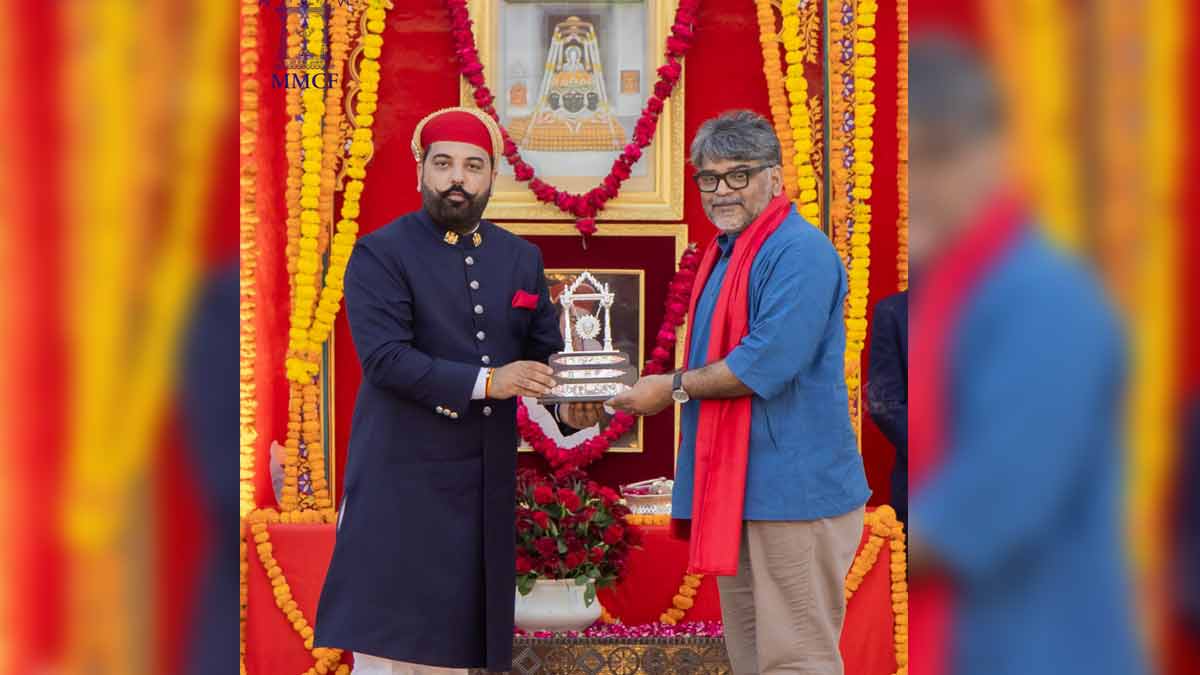
MUMBAI- Kamlesh Singh just turned a lifetime of sharp words into a shiny shield because when journalism wakes up a society, even the Maharana of Mewar wants to pin a medal on it.
The Maharana of Mewar Charitable Foundation (MMCF) conferred its prestigious Haldi Ghati Award on Kamlesh Singh, a senior editor at the India Today Group, during a ceremony in Udaipur on 15 March 2026. The national award, instituted in 1981-82, recognises “work of permanent value that initiates an awakening in society through the medium of journalism.”
Singh, who leads several editorial initiatives including Aaj Tak Radio, the Teen Taal community and The Lallantop, was presented the honour by Lakshyaraj Singh Mewar, Managing Trustee of MMCF. The citation highlighted his three decades of contributions to Indian media, innovations in digital journalism, mentoring young reporters, and his popular podcast persona “Tau” on Teen Taal, which fosters thoughtful public discourse.
The Haldi Ghati Award, named after the historic Battle of Haldighati symbolising valour and resilience, is one of four national awards given annually by MMCF. Past recipients include Tavleen Singh, Piyush Pandey and Raj Chengappa.
Other honourees this year included Padma Vibhushan Pt Hari Prasad Chaurasia, Vedamurti Devvrat Rekhe, Treeman of India Marimuthu Yoganathan, Vir Chakra Capt Rizwan Malik, and US-based researcher Molly Emma Aitken, who received the Colonel James Tod Award for contributions to understanding Mewar’s spirit and values.
In an era where headlines often shout louder than substance, the MMCF quietly reminded everyone that real journalism isn’t about noise, it’s about the quiet, persistent work that stirs society awake, one thoughtful story at a time.