Gaming
Game on, but play fair: India’s gaming industry rolls out ethics code

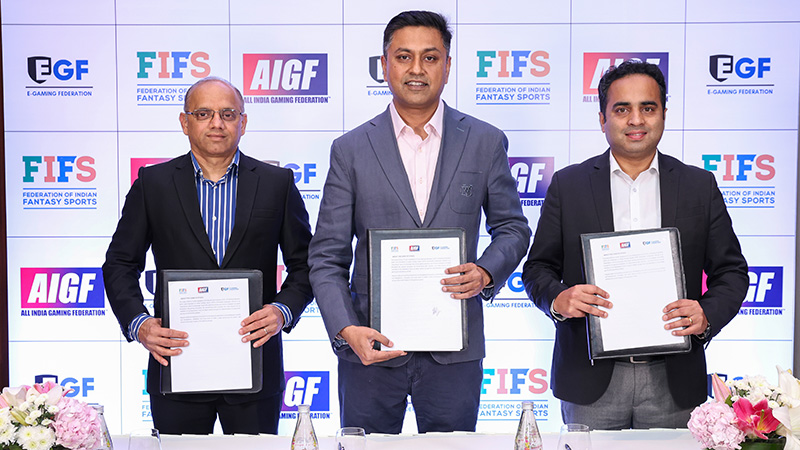
MUMBAI: The All India Gaming Federation (AIGF), the Federation of Indian Fantasy Sports (FIFS), and the E-Gaming Federation (EGF) have come together to set the rules of engagement—quite literally. With the launch of their code of ethics (CoE), the gaming industry is hitting pause on unchecked practices and fast-tracking a new era of responsibility, transparency, and fair play.
This isn’t just about PR-friendly promises—it’s a concrete roadmap for player safety, ethical advertising, and industry accountability. The CoE mandates stringent KYC processes, age restrictions, self-imposed spending limits, and annual third-party audits. Gaming platforms with annual revenues above Rs 100 crores have six months to get their act together, while smaller operators have nine months to comply. Those who play by the rules will receive a certification—valid for a year and renewable only after a fresh audit. No loopholes, no excuses.
India’s online gaming industry is no stranger to scrutiny. With over 50 crore gamers navigating skill-based real-money games, the need for structured regulation is long overdue. The CoE’s principles include:

. Responsible gaming: Strict age-gating, no operations in restricted states, and robust KYC enforcement.
. Player protection: Data security and proper management of player funds.
. Fair play: Ensuring integrity and transparency in gameplay.
. Informed choices: Players can set limits, self-exclude, and make better decisions.
. Support for vulnerable users: Resources to help at-risk players.
. Ethical advertising: No misleading promotions or shady marketing tricks.
AIGF CEO Roland Landers made it clear that ethical gaming is the foundation for long-term industry growth. “As the largest and oldest industry association, we at AIGF believe that a thriving gaming industry must be built on the pillars of responsibility, transparency, innovation, and player protection. This Code of Ethics reinforces our commitment to fair play, compliance with Indian laws, and fostering a secure and responsible gaming environment. Through collaboration with other industry federations, we are setting new benchmarks for ethical gaming, strengthening the credibility of India’s online gaming sector, and building a sustainable, globally competitive ecosystem.”
FIFS director general Neil Castelino echoed the sentiment. “This joint code marks a significant step forward in our commitment to fostering a safe, fair, and responsible gaming environment in the country. By working together as an industry, we are setting a unified standard that prioritizes player well-being, integrity, and accountability across the industry. This we believe will be pivotal in ensuring a safe environment for the 24 crore FS users in the country.”
Meanwhile, EGF CEO Anuraag Saxena didn’t mince words, “National interest, consumer interest, and the industry’s interest have all suffered too long. Unethical gambling operators have been parasitically harming the nation, its exchequer, and its people. I’m delighted that the industry is collaborating on the joint code-of-ethics today. The adoption of these standards reinforces our commitment to accountability through third-party audits, responsible gaming policies, and ethical business practices. Sunlight is the best disinfectant, and the industry taking due cognizance of this is a great step ahead for gaming in India.”
The gaming industry is no longer playing defence. With the code of ethics in place, India is setting a global benchmark for responsible gaming, ensuring that players can enjoy the thrill—without the pitfalls.




Gaming
Konami concludes successful eFootball India campaign
Campaign featuring Rinku Singh, Varun Chakravarthy and other stars boosts engagement ahead of FIFA World Cup 2026.
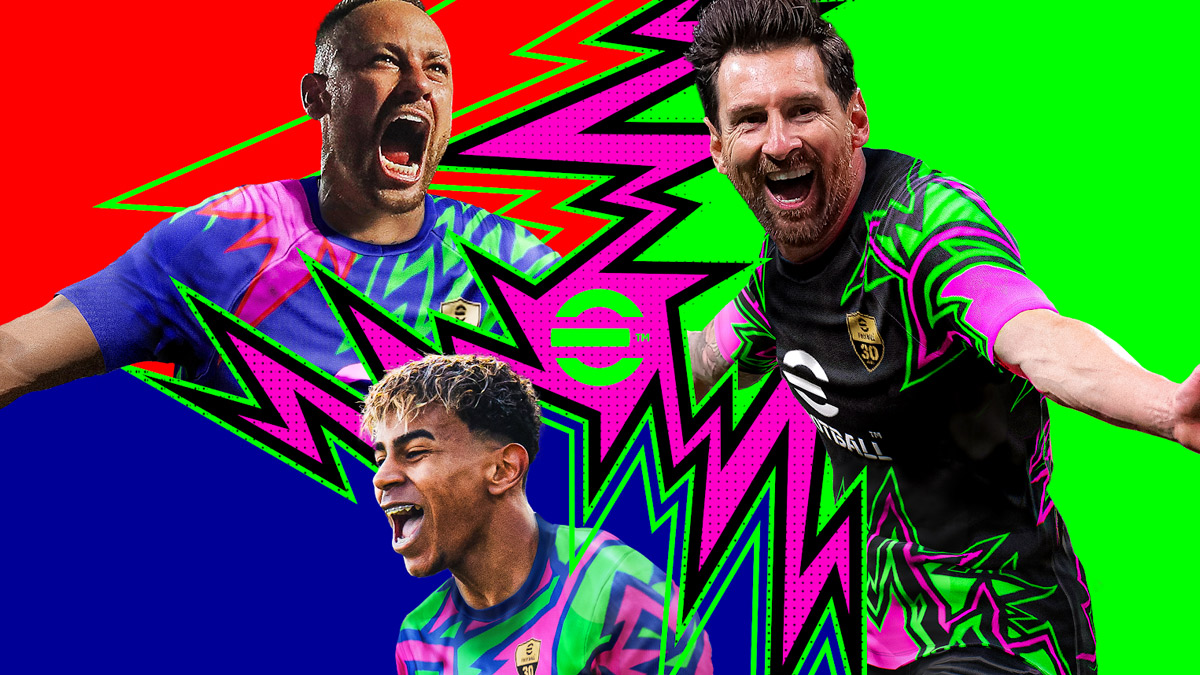
MUMBAI: When cricket meets football in the virtual world, even the biggest fans can’t help but score and Konami’s latest eFootball campaign in India has clearly hit the back of the net. Konami Digital Entertainment has successfully wrapped up its India campaign for eFootball, which brought together cricketers Rinku Singh and Varun Chakravarthy, actors Naslen Gafoor and Chandu Salim Kumar, and footballers Sahal Abdul Samad and Shubhasish Bose. The multi-star campaign generated strong excitement across gaming, football, and creator communities through social content, fan participation, and in-game engagement.
Building on the initial launch that featured a limited-time Lionel Messi card, the campaign united fan communities, lifestyle creators, football creators, and competitive eFootball influencers. It significantly expanded the game’s visibility and deepened engagement with fans across the country.
The campaign also saw thousands of entries submitted as part of its social media engagement challenge, reflecting high levels of community enthusiasm and active creator involvement.
Looking ahead, Konami plans to build on this momentum with more eFootball experiences for Indian fans as the FIFA World Cup 2026 approaches. With global attention on the tournament set to rise, India will remain a key market for deepening community engagement and bringing fans closer to the action.
In a country that lives and breathes sport, Konami has shown that mixing real-world stars with virtual thrills is a winning formula leaving fans eagerly waiting for the next goal.






