News Broadcasting
Future Female Forward Delhi meet pushes India’s parity momentum

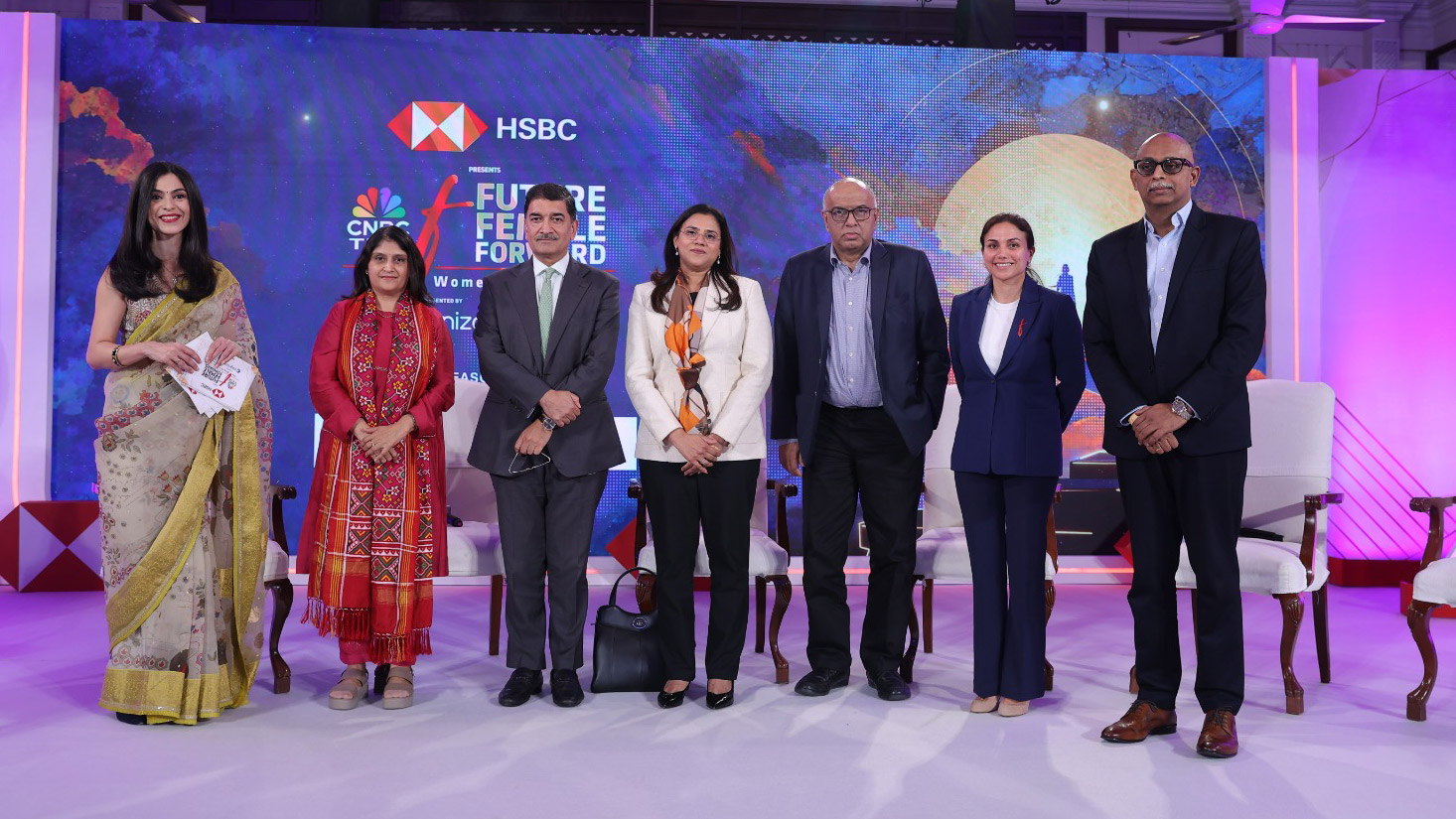
NEW DELHI- The New Delhi chapter of CNBC-TV18’s Future Female Forward Season 3 delivered an evening filled with clarity, conviction and collective ambition as leaders from government, business, diplomacy, arts and enterprise came together to push India’s gender-equal future forward.
Hosted at The Imperial, the state chapter built on the strong momentum seen in Mumbai and Bengaluru earlier this season. With more than 500 women leaders engaged so far, the initiative has grown into a national force for shifting mindsets and reshaping systems.

Opening the evening, CNBC-TV18 managing editor Shereen Bhan called for India to move past symbolic gestures and focus on structural change. She said gender parity has never been about capability but about courage, and urged organisations to rebuild systems that are fair, inclusive and measurable in action.
HSBC India CEO Hitendra Dave followed with a keynote that stressed the need for institutions to move from good intentions to genuine transformation. He highlighted the importance of workplaces where women see themselves represented at every level, adding that this is essential to India’s growth vision for 2047.
A fireside conversation with Marisa Gerards, Ambassador of the Kingdom of the Netherlands to India, Nepal and Bhutan, made a strong case for diversity as a strategic necessity. She noted that equal participation improves decisions, boosts resilience and lifts the quality of outcomes across sectors.
The Leaders’ Forum brought fresh insights from Mona Khandhar, Ajay Sharma, Rajesh Varrier, Sanjeev Bikhchandani, Nyrika Holkar and Ria Arora, who explored India’s shifting socio-economic landscape. The panel highlighted the need for redesigned systems that make it easier for women to rise to leadership at scale.
Cognizant India’s Rajesh Varrier spoke of creating clear pathways to help women progress without interruption. He spotlighted programs like BeGritty, Propel and Cognizant’s return-to-work internship, which has helped hundreds of women restart their careers with confidence.
A lively town hall moderated by Shereen Bhan featured insights from Neha Mathur, Pooja Sharma Goyal, Harita Gupta, Ruchi Kalra and Suman Hegde, focusing on building work cultures where women can thrive at every stage of their careers.
The evening also honoured the Future Female Forward Icons of 2025, celebrating women reshaping India through service, innovation, sustainability and community leadership. Among the honourees were squadron leader Priya Sharma, Sonali Ghosh, Mittal Patel, Rimjhim Agrawal and several inspiring grassroots champions.
Priya Sharma reflected on her journey in the Indian Air Force, recalling the thrill of watching fighter jets as a child and later taking the final sortie of the MiG-21 with the air chief. She described the experience as humbling, grounding and liberating.
A creative high point of the evening came from Academy Award-winning producer Guneet Monga Kapoor, who spoke candidly about perseverance and owning one’s truth. She encouraged women to embrace the “yes” that can transform a life and to meet challenges with courage and clarity.
The night wrapped with a soulful performance by singer Deveshi Sehgal, closing an evening that reaffirmed a simple truth: India’s progress will be stronger, faster and more sustainable when more women are empowered to lead it.
As the season moves into its final phase, Future Female Forward continues to bring together voices and commitments from across the country, turning shared stories and actions into long-term momentum for equality.






News Broadcasting
CNN-News18 to host Fury in the Gulf conclave on West Asia crisis
Three-hour summit to unpack geopolitical fallout and impact on India
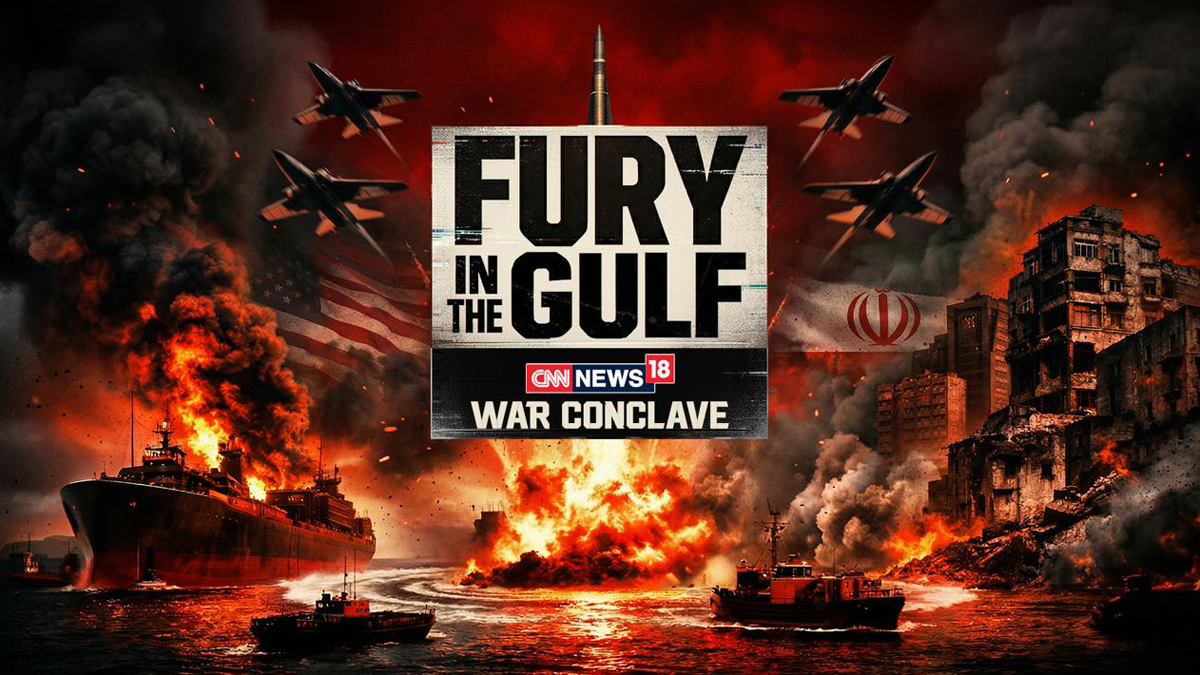
MUMBAI: CNN-News18 is set to host a special three-hour broadcast, Fury in the Gulf – War Conclave, on April 7, aiming to decode the escalating West Asia crisis and its far-reaching implications for India.
Scheduled from 4:00 PM to 7:00 PM, the conclave comes at a time when tensions between Iran and the United States are reshaping global geopolitics and triggering economic uncertainty. With India’s deep energy ties, trade links and large diaspora in the Gulf, the developments carry significant domestic relevance.
Built around the theme ‘Conflict, Consequences, and The Future,’ the programme will feature six curated sessions combining one-on-one interviews and panel discussions. The focus is to cut through the clutter and offer viewers a clearer understanding of the fast-evolving situation.
Key sessions include ‘Diplomacy in Times of War’ featuring Shashi Tharoor, and ‘World After the Iran Conflict’ with voices such as Ram Madhav, Reuven Azar, representatives from the European Union and the Iranian Deputy Envoy. Another session titled ‘Another Dunkirk?’ will bring together K. J. S. Dhillon and Jitin Prasada among others.
CNN-News18 editorial affairs director Rahul Shivshankar said, “In times of war, clarity becomes the most powerful tool. Fury in the Gulf – War Conclave brings together credible voices to address the questions and confusion that arise amid an overwhelming influx of information.”
He added that the initiative is aimed at delivering “facts, perspective, and insight” at a time when misinformation can easily cloud public understanding.
Echoing the sentiment, CNN-News18 CEO– English and business news Smriti Mehra said the conflict marks a defining global moment, with consequences that extend well beyond the region. She noted that the conclave seeks to present the crisis with “depth, nuance and responsibility” so audiences can better grasp its real-world impact.
As geopolitical tensions continue to dominate headlines, the conclave positions itself as an attempt to bring order to the noise, offering viewers a structured, insight-led look at a complex and rapidly shifting global situation.






