News Headline
From digital to DD Free Dish: All about The Q’s unique proposition

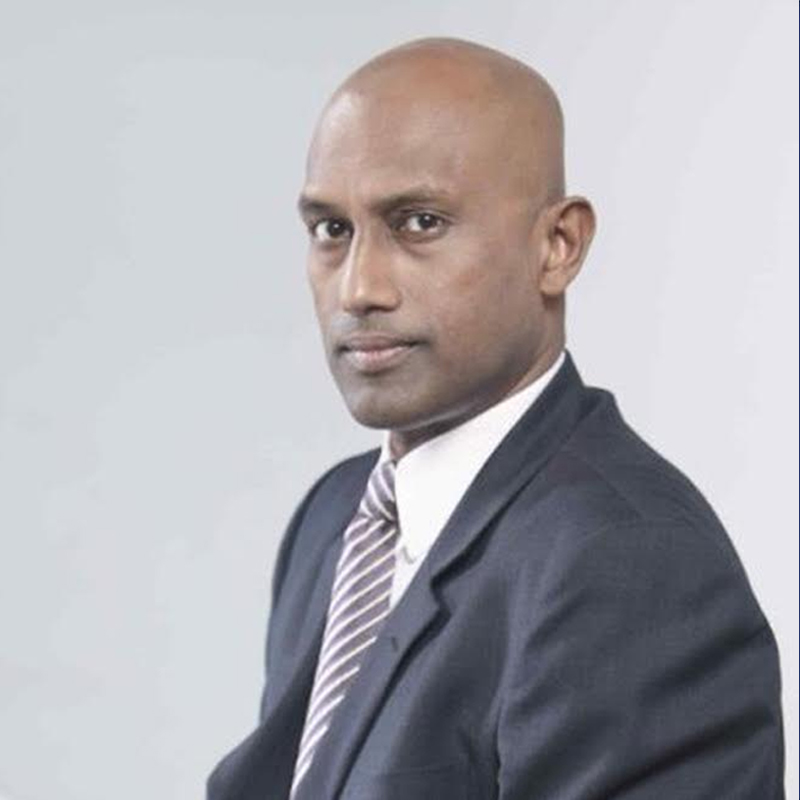
MUMBAI: It won’t be a stretch to describe The Q India channel as a jack of all trades. A Hindi GEC at its core, it also offers digital programming from social media stars and leading digital video creators. On the back of this, it has become one of India's fastest growing youth entertainment brands reaching 4.4 Gross Rating Points (GRP) according to Broadcast Audience Research Council (BARC) data for February 2021.
Now, the Q has landed a spot on DD Free Dish and will be available as an FTA channel from 15 April. The channel is targeting one of Asia’s largest markets and its burgeoning young audience with an exciting new proposition – serving digital first content to TV audiences.
The Q has been around since 2017, when it launched on DTH major Tata Sky. It was only at the close of 2019 that founder & MD Sunder Aaron decided to place the channel on a satellite transmitter and get the BARC numbers running. But as with everything else, their plans for 2020 hit a roadblock with the outbreak of Covid. As people were sitting at home, the advertising market dried up, he shared. Advertisers were somewhat hesitant to bet on the new channel.

For him, 2020 was all about generating revenues, managing operations, growing the distribution of the channel, and expanding the team. Comprising 25 members, The Q team is currently headquartered in Mumbai and Delhi.
It was COO Krishna Menon’s strategy to get the channel on DD Free Dish to tap rural markets and not just metro cities. The brainwave hit after closely tracking BARC numbers and audience preferences; Menon realised that a large chunk of viewers is consuming content from rural India, as television is their only source of entertainment.
While the channel currently caters to Hindi-speaking audiences, Aaron wants to tap into the regional market and launch offerings like Q Tamil, Q Telugu, Q Bangla and.
Going it solo
The challenges of being an independent channel vs a channel under the umbrella of a major network are completely different, remarked Aaron.
“We don’t have resources to draw on, we have not done any marketing of the channel until now. But slowly with DD Free Dish we are hoping to build the brand in a big way,” he shared.
Despite these challenges, the channel has also tasted success – in terms of viewership, it has grown 400 times in the past three months, claimed Aaron, adding, “We are nearly on the same level as Zoom or Bindaas but at the end of the day we consider ourselves as a Hindi GEC. We want to be seen as the next Star Utsav. We want to become a channel that specifically caters to young India.”
A new kind of broadcast network
To this end, the Q is leveraging the power of social media influencers and digital media houses like Pocket Aces and Culture Machine to push their content to new audiences on television. The channel recently launched an original show Kya Bolte Insta but Aaron is clear about not creating a daily soap opera for The Q. Most likely, the programming line-up is going to be a mix of animation, music, devotional, comedy, lifestyle, digital content and more. He doesn’t want to compete with big broadcasters and hence he is creating a niche medium for young audiences.
To Aaron, the demarcation between TV and digital content makes no sense because the audiences are watching both digital platforms and linear TV. The Q wants to cater to young India on every medium.
“We are discovering the programming line-up as we go along, primarily as our viewership is going to change dramatically. With DD Free Dish we will also get non-metro audiences, we have to wait and see what they have to respond to,” he explained. “We are going to evolve our programming based on what viewers want.”
In most households, both platforms co-exist, which makes it easier for young audiences to choose their content, he opined.
Brands hop on the bandwagon
The market has been quite receptive of The Q’s unique positioning, highlighted Menon. The channel has adopted a three-fold strategy – be as widely available as possible, build the brand, and get ad sales.
The network wants its clients to get used to buying integrated ad sales. The aim is not just to sell reach on the channel. Apart from spot buy deals, the team is looking at sponsorships, brand integrated content and brands collaborating with influencers. Already, major FMCG brands have queued up to The Q party.
Menon elaborated on this difference in offering to advertisers. “If we look at major linear broadcasters, they go and sell only air time. However, in our case it is just not airtime, we also pitch about digital sales as our channel is also live on OTT, we have multiple reach. We even talk about doing influencer marketing independently, we leverage the influencer to tweet about the brand and ensure the brand gets a million likes as engagement. The planning also depends upon the KPI that needs to be delivered.”





NEW DELHI: Hamdard Laboratories gathered a cross-section of India’s achievers in New Delhi on Friday, handing out the Hakeem Abdul Hameed Excellence Awards to figures who have left their mark across healthcare, education, sport, public service and the arts.
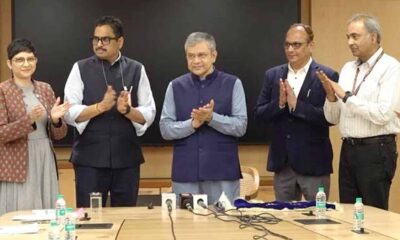
The ceremony, attended by minister of state for defence Sanjay Seth and senior officials from the ministry of Ayush, celebrated individuals whose work blends professional success with a sense of public purpose. It was as much a roll call of achievement as it was a reminder that influence is not measured only in profits or podiums, but in people reached and lives improved.
Among the headline awardees was Alakh Pandey, founder and chief executive of PhysicsWallah, recognised for turning affordable digital learning into a mass movement. On the sporting front, Arjuna Awardee and kabaddi player Sakshi Puniya was honoured for her contribution to the game and for pushing women’s participation onto bigger stages.
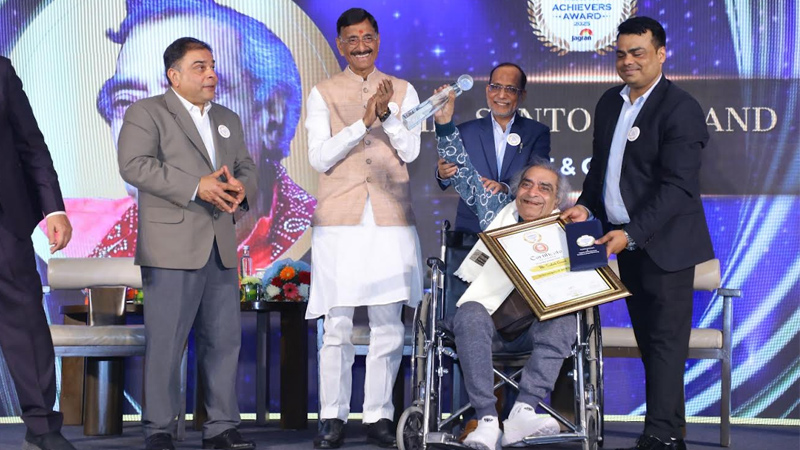
The cultural spotlight fell on veteran lyricist and poet Santosh Anand, whose songs have echoed across generations of Hindi cinema. At 97, Anand accepted the honour with characteristic humility, reflecting on a life shaped by perseverance and hope.
Healthcare honours spanned both modern and traditional systems. Manoj N. Nesari was recognised for strengthening Ayurveda’s place in national and global health frameworks. Padma shri Mohammed Abdul Waheed was honoured for his research-backed work in Unani medicine, while padma shri Mohsin Wali received recognition for his long-standing contribution to patient-centred care.
Education and social development also featured prominently. Padma shri Zahir Ishaq Kazi was honoured for decades of work in education, while former Meghalaya superintendent of Police T. C. Chacko was recognised for public service. Goonj founder Anshu Gupta received an award for his dignity-centred rural development initiatives, and the Hunar Shakti Foundation was honoured for empowering women and young girls through skill development.
The Lifetime Achievement Award went to former IAS officer Shailaja Chandra for her long career in public healthcare and governance, particularly in the traditional systems under Ayush.
Speaking at the event, Hamdard chairman Abdul Majeed said the awards were a tribute to those who combine excellence with empathy. “These awardees reflect Hakeem Sahib’s belief that healthcare, education and public service must ultimately serve humanity,” he said.
Minister Seth struck a forward-looking note, saying India’s young population gives the country a unique opportunity to become a global destination for learning, health and wellness by 2047.
The ceremony also featured the trailer launch of Unani Ki Kahaani, an upcoming documentary starring actor Jim Sarbh, set to premiere on Discovery on 11 February.
Instituted in memory of Unani scholar and educationist Hakeem Abdul Hameed, the awards have grown into a national platform that celebrates those building a more inclusive and resilient India. For one evening at least, the spotlight was not just on success, but on service with substance.






