News Broadcasting
Fox strips ‘Skin’ from schedule


LOS ANGELES: For weeks, Fox used every opportunity during the network’s high-rated playoff broadcasts to relentlessly plug the new Jerry Bruckheimer drama Skin.
On 4 November Skin fell victim to too much hype and not enough viewers, becoming the first new drama of the season to earn an outright cancellation.
Skin only aired three times since its launch on 21 October in the midst of the World Series. On that night, which also saw a less-than-impressive premiere for The Next Joe Millionaire, Skin attracted 6.3 million viewers. It was down to fewer than 5.1 million viewers in its second airing and fewer than 4.1 million by its final airing on 3 November.

Originally, Fox intended to re-air the early episodes of Skin in an effort to build an audience over time, a strategy that paid off with late-summer hit The O.C. The network abandoned that plan after only a week, opting to encore the season premiere of 24 instead last week.
For the next three Mondays, Fox will show a second original episode of The Next Joe Millionaire at 9 pm. Those episodes were supposed to run on Tuesdays during sweeps as a lead-in to 24, but after last week’s dismal showing, the Tuesday 8 pm slot will be filled with a variety of repeats for the rest of the month.
In the place of Thursday night’s scheduled 9 pm re-airing of Skin, Fox will encore The O.C.. This, coincidentally, was where Fox had hoped to move the series for the fall, before moving it to Wednesday nights.
To say that Fox’s schedule is pretty liquid at this point would be an understatement. Following the sweeps period, Fox will have a number of empty places in the schedule. The network has midseason replacements like Wonderfalls and Still Life waiting in the wings. With Luis already pushing up daisies, this gives Fox the unfortunate distinction of being the first network to cancel both a new comedy and a new drama. The network also has several other under performing new offerings which could soon be tempting the Fox reapers.





News Broadcasting
CNN-News18 to host Fury in the Gulf conclave on West Asia crisis
Three-hour summit to unpack geopolitical fallout and impact on India
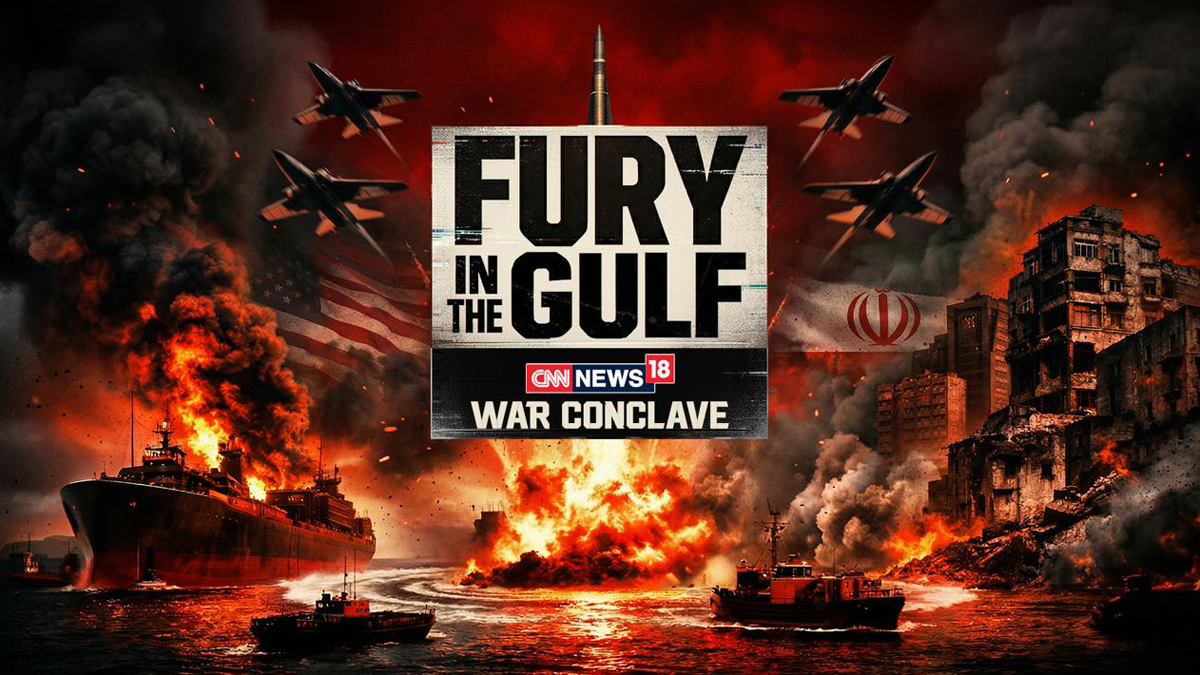
MUMBAI: CNN-News18 is set to host a special three-hour broadcast, Fury in the Gulf – War Conclave, on April 7, aiming to decode the escalating West Asia crisis and its far-reaching implications for India.
Scheduled from 4:00 PM to 7:00 PM, the conclave comes at a time when tensions between Iran and the United States are reshaping global geopolitics and triggering economic uncertainty. With India’s deep energy ties, trade links and large diaspora in the Gulf, the developments carry significant domestic relevance.
Built around the theme ‘Conflict, Consequences, and The Future,’ the programme will feature six curated sessions combining one-on-one interviews and panel discussions. The focus is to cut through the clutter and offer viewers a clearer understanding of the fast-evolving situation.
Key sessions include ‘Diplomacy in Times of War’ featuring Shashi Tharoor, and ‘World After the Iran Conflict’ with voices such as Ram Madhav, Reuven Azar, representatives from the European Union and the Iranian Deputy Envoy. Another session titled ‘Another Dunkirk?’ will bring together K. J. S. Dhillon and Jitin Prasada among others.
CNN-News18 editorial affairs director Rahul Shivshankar said, “In times of war, clarity becomes the most powerful tool. Fury in the Gulf – War Conclave brings together credible voices to address the questions and confusion that arise amid an overwhelming influx of information.”
He added that the initiative is aimed at delivering “facts, perspective, and insight” at a time when misinformation can easily cloud public understanding.
Echoing the sentiment, CNN-News18 CEO– English and business news Smriti Mehra said the conflict marks a defining global moment, with consequences that extend well beyond the region. She noted that the conclave seeks to present the crisis with “depth, nuance and responsibility” so audiences can better grasp its real-world impact.
As geopolitical tensions continue to dominate headlines, the conclave positions itself as an attempt to bring order to the noise, offering viewers a structured, insight-led look at a complex and rapidly shifting global situation.






