News Broadcasting
Fox News seeking better subscription value for its content


MUMBAI: News Corp will look for higher programming fees in the upcoming negotiations with pay TV contributors for its Fox News channel.
News Corp COO Chase Carey said that the conglomerate‘s content will be available to new clients only if it gets paid a “fair value”. He was speaking at the 38th Annual UBS Global Media and Communications Conference on Wednesday.
Chase asserted that though both the channels are equally important, Fox News gets a very small percentage when compared to the fees that ESPN reaps.

“[Fox News] in the cable world is right there with ESPN, as important a channel as exists out there,” said Carey.
He averred that his team‘s motto will be: “If we don‘t get fair value, we shouldn‘t be selling it.”
Priced at $4 per subscriber per month, currently ESPN is one of the highest priced cable channels in the US. Fox News is priced at $1 per subscriber per month; however this was negotiated in 2006.
Although Chase declined to discuss about the terms of deals News Corp reached with Cablevision Systems and Time Warner Cable, however he did mention that “we were looking to what we thought was fair and we stuck to our guns. It takes two to make a deal… we achieved what we set out to achieve.”
He added that Fox “should be our most important channel. It should be our most profitable channel. That‘s what we‘re looking to achieve.”
Carey said that Fox believes it has rejuvenated its most important franchise ‘American Idol‘.
“It‘s a dominant franchise. We can take advantage of a new, fresh and different panel [of judges]” he said.
This time the panel won‘t include Simon Cowell, but Cowell will be bringing his new show, ‘X Factor‘, to Fox next season.
“We will have year-round franchises with Idol and ‘X Factor‘ in the fall with Simon,” he said.
According to Chase, News Corp‘s other cable channels also have opportunities to increase their subscription fees when compared with their competitors.
He said, “Our channels are pretty new compared to a lot of their peers,” and that “If we make every channel a leader in its category, we‘ve got a lot of room to grow.”





News Broadcasting
TOISA 2026 shortlists unveiled ahead of Lucknow ceremony
Eighth edition on March 21 honours standout performers from 2025.
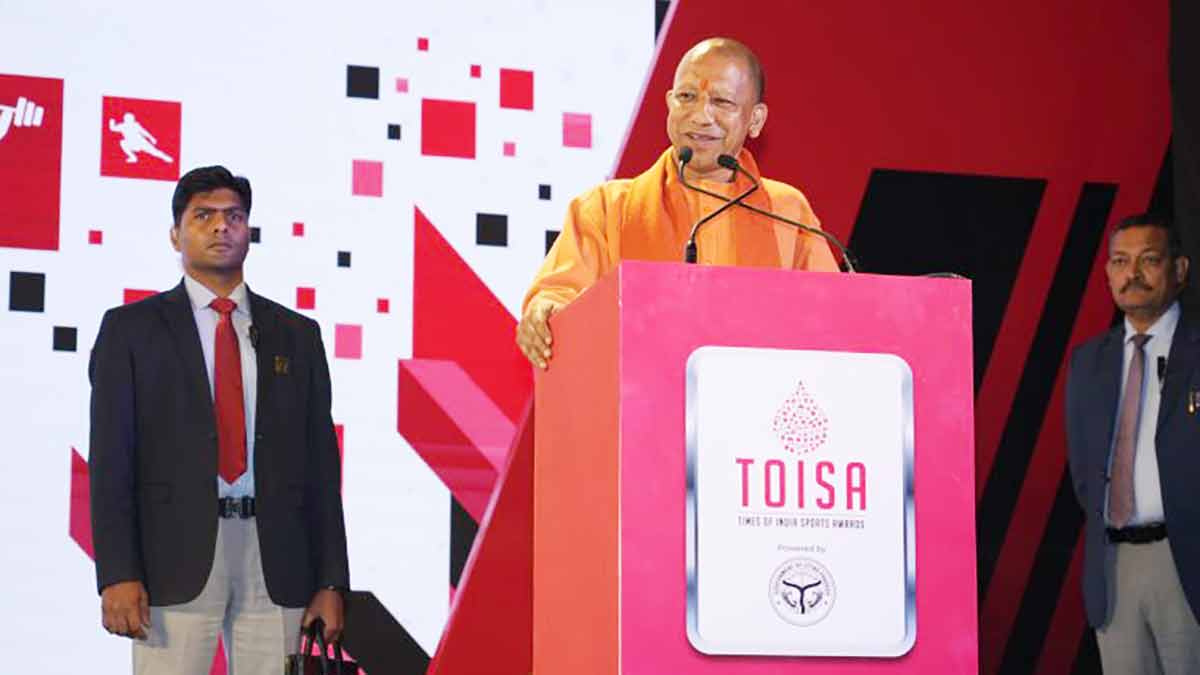
MUMBAI: TOISA 2026 just dropped a shortlist so stacked, even the trophy is wondering if it needs a bigger shelf. The Times of India Sports Awards (TOISA) has revealed its 2026 shortlists, setting the stage for the eighth edition on 21 March at The Centrum Hotel in Lucknow. Celebrating achievements from 1 January to 31 December 2025 across more than 45 sports categories, this year’s nominees capture a golden 12 months of Indian sport from ODI and T20 World Cup triumphs to double golds at the Asian Athletics Championships and podium finishes at the World Para Athletics Championships.
For the first time, TOISA opens its doors to the public. Passes are available at timesofindia.indiatimes.com/toisa2025.
Standout shortlists include:
- Badminton (Male): Lakshya Sen, Ayush Shetty, Kiran George, Chirag Shetty, Satwiksairaj Rankireddy
- Badminton (Female): Tanvi Sharma, Unnati Hooda, Tressa Jolly, Gayatri Gopichand
- Cricket (Male): Shubman Gill, Abhishek Sharma, Ravindra Jadeja, Varun Chakaravarthy, KL Rahul, Kuldeep Yadav
- Cricket (Female): Smriti Mandhana, Pratika Rawal, Jemimah Rodrigues, Deepti Sharma, Shafali Verma
- Athletics (Male): Neeraj Chopra, Animesh Kujur, Gulveer Singh, Sachin Yadav
- Athletics (Female): Parul Chaudhary, Rupal Chaudhary, Jyothi Yarraji, Pooja Singh
- Shooting (Female): Suruchi Inder Singh, Simranpreet Kaur, Esha Singh, Elavenil Valarivan, Sift Kaur Samra, Manu Bhaker
- Emerging Sportsperson: Tanvi Sharma (badminton), Divya Deshmukh (chess), Shree Charani (cricket), Vaibhav Suryavanshi (cricket)
- Team of the Year: India Women’s Cricket Team, India Men’s Cricket Team, India Men’s Hockey Team, India Men’s & Women’s Kabaddi Teams, India National Shooting Team, India Women’s Cricket Team for the Blind, India Squash Team, India Women’s Ice Hockey Team
| Category | Shortlist 1 | Shortlist 2 | Shortlist 3 | Shortlist 4 | Shortlist 5 | Shortlist 6 | Column 1 | Column 2 |
| Badminton male | Lakshya Sen | Ayush Shetty | Kiran George | Chirag Shetty | Satwiksairaj Rankireddy | |||
| Badminton female | Tanvi Sharma | Unnati Hooda | Tressa Jolly | Gayatri Gopichand | ||||
| Cricket male | Shubman Gill | Abhishek Sharma | Ravindra Jadeja | Varun Chakaravarthy | KL Rahul | Kuldeep Yadav | ||
| Cricket female | Smriti Mandhana | Pratika Rawal | Jemimah Rodrigues | Deepti Sharma | Shafali Verma | |||
| Athletics (Track and field) male | Neeraj Chopra | Animesh Kujur | Gulveer Singh | Sachin Yadav | ||||
| Athletics (Track and field) female | Parul Chaudhary | Rupal Chaudhary | Jyothi Yarraji | Pooja Singh | ||||
| Sportsperson of the year (combined of all sports) | Divya Deshmukh | Suruchi Inder Singh | Smriti Mandhana | Samrat Rana | ||||
| Equestrian | Ashish Limaye | Shruti Vora | Divyakriti Singh | |||||
| Hockey male | Abhishek Nain | Harmanpreet Singh | Jugraj Singh | Amit Rohidas | ||||
| Hockey female | Udita Duhan | Navneet Kaur | Mumtaz Khan | Rutuja Pisal | ||||
| Shooting male | Samrat Rana | Ravinder Singh | Aishwary Pratap Singh Tomar | Anish | Varun Tomar | Rudrankksh Patil | ||
| Shooting female | Suruchi Inder Singh | Simranpreet Kaur | Esha Singh | Elavenil Valarivan | Sift Kaur Samra | Manu Bhaker | ||
| Emerging sportsperson (combined) | Tanvi Sharma (badminton) | Divya Deshmukh (chess) | Shree Charani (cricket) | Vaibhav Suryavanshi (cricket) | ||||
| Coach of the year (male, female combined) | Amol Majumdar (Cricket) | Suresh Singh (Shooting) | Ashok Kumar Rana (Shooting) | |||||
| Chess male | Rameshbabu Praggnanandhaa | Aravindh Chithambaram | Panneerselvam Iniyan | Nihal Sarin | Arjun Erigaisi | |||
| Chess female | Divya Deshmukh | Koneru Humpy | Vaishali Rameshbabu | Nandhidhaa PV | ||||
| Archery male | Dhiraj Bommadevara | Abhishek Verma | Atanu Das | Prathamesh Fuge | Rishabh Yadav | |||
| Archery female | Ankita Bhakat | Jyothi Surekha | Deepika Kumari | Prithika Pradeep | ||||
| Billiards/Snooker | Pankaj Advani | Aditya Mehta | Brijesh Damani | |||||
| Weightlifting male | Rishikanta Singh | Muthupandi Raja | Dilbag Singh | Lovepreet Singh | ||||
| Weightlifting female | Mirabai Chanu | Mehak Sharma | Bindyarani Devi | |||||
| Wrestling male | Sunil Kumar | Nitesh | Aman Sehrawat | Sujeet Kalkal | ||||
| Wrestling female | Antim Panghal | Manisha | Nisha Dahiya | |||||
| Squash male | Abhay Singh | Saurav Ghosal | Velavan Senthilkumar | Mahesh Mangaonkar | ||||
| Squash female | Anahat Singh | Joshna Chinappa | Dipika Pallikal Karthik | Tanvi Khanna | ||||
| Table Tennis male | Manav Thakkar | Sathiyan Gnanasekaran | Harmeet Desai | Payas Jain | ||||
| Table Tennis female | Manika Batra | Sreeja Akula | Diya Chitale | Ayhika Mukherjee | ||||
| Team of the Year (combined from all sports) | India Women’s Cricket Team | India Men’s Cricket Team | India Men’s Hockey Team | India Men’s & Women’s Kabaddi Teams | India National Shooting Team | India Women’s Cricket Team for the Blind | India Squash Team | India Women’s Ice Hockey Team |
| Tennis Male | Rohan Bopanna | Yuki Bhambri | Sumit Nagal | |||||
| Tennis Female | Ankita Raina | Vaishnavi Adkar | Sahaja Yamalapalli | |||||
| Football male | Subhasish Bose | Sunil Chhetri | Vishal Kaith | Brison Fernandes | Gurpreet Singh Sandhu | |||
| Football female | Soumya Guguloth | Grace Dangmei | Elangbam Panthoi Chanu | Manisha Kalyan | Pyari Xaxa | |||
| Kabaddi | Sanju Devi | Pawan Sehrawat | Ritu Negi | Arjun Deshwal | ||||
| Boxing male | Sachin Siwach | Hitesh Gulia | Pawan Bartwal | Ankush Panghal | ||||
| Boxing female | Minakshi Hooda | Jaismine Lamboria | Nikhat Zareen | Pooja Rani | ||||
| Sailing | Vishnu Saravanan | Zahaan Hemrajani | Abhimanyu Panwar | Ghashiayah A | ||||
| Para Archery male | Harvinder Singh | Vivek Chikara | Rakesh Kumar | Shyam Sunder Swami | ||||
| Para Archery female | Sheetal Devi | Payal Nag | Jyoti Baliyan | |||||
| Para Athlete (Track & Field) male | Sumit Antil | Shailesh Kumar | Sandeep Kumar | Nishad Kumar | ||||
| Para Athlete (Track & Field) female | Simran Sharma | Preethi Pal | Ekta Bhyan | Deepthi Jeevanji | ||||
| Para Badminton male | Pramod Bhagat | Sukant Kadam | Krishna Nagar | |||||
| Para badminton female | Mandeep Kaur | Manasi Joshi | Nithya Sre | |||||
| Para chess | Vaibhav Gautam | Samarth J Rao | Venkata Krishna Karthik K | |||||
| Para judo | Kapil Parmar | Avidha Sharma | Rahul Rajora | Kokila | ||||
| Para shooting male | Bhat Amir Ahmad | Nihal Singh | Sandeep Kumar | Rudransh Khandelwal | ||||
| Para shooting female | Mona Agarwal | Avani Lekhara | Rubi Kumari | |||||
| Para Sportsperson of the year | Sheetal Devi (Para Archery) | Praveen Kumar (Para Athletics – High Jump) | Preethi Pal (Para Athletics – Sprint) | Sumit Antil (Para Athletics – Javelin) | ||||
| Para Coach of the year | Dr. Satyapal Singh (Para Athletics) | Subhash Rana (Para Shooting) | Gaurav Khanna (Para Badminton) | Sandhya Bharti (Para Taekwondo) |
The jury comprises six of India’s most decorated athletes, Leander Paes, Mithali Raj, Abhinav Bindra, Devendra Jhajharia, Sharath Kamal and PR Sreejesh.
TOISA remains the one night on the Indian sporting calendar judged purely on merit, not popularity. This year’s edition in Lucknow, a state that has steadily become a powerhouse of grassroots talent reflects how excellence now runs deep across every region.
In a year when Indian sport refused to stay in one lane, TOISA isn’t just handing out trophies, it’s framing a portrait of a nation that’s finally sprinting, swinging and shooting its way onto the world stage, one unforgettable moment at a time.