eNews
Food for thought Feeding India serves 23 crore meals and counting

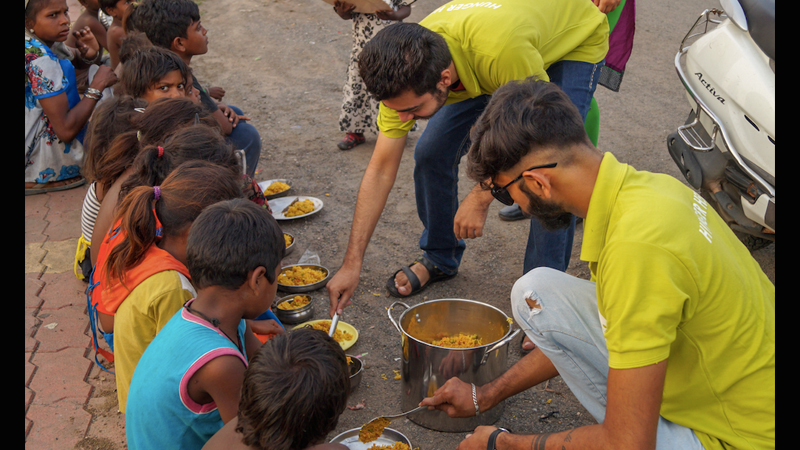
MUMBAI: Hunger may be stubborn, but Feeding India is proving it is not unbeatable. The not-for-profit has served more than 23 crore meals over the past seven years, turning nourishment into a nationwide movement that now spans over 150 cities, according to its Annual Report for FY 2024–25.
Titled A Year of Nourishing Dreams, the report captures a year in which the organisation sharpened its focus from simply filling plates to shaping futures. At the heart of its work is the fight against child malnutrition, with Feeding India now supporting over 1.4 lakh children every day through its partner network.
Its daily feeding programme has grown into a vast ecosystem, covering 1,097 partner schools and 726 Anganwadi centres. These include 275 formal schools, 720 informal learning centres, 58 schools for children with disabilities, and 32 orphan homes. Menus are tailored to local tastes, from rajma chawal in the North to idli sambhar in the South, ensuring meals are nutritious, culturally familiar and widely accepted. Food is provided through a mix of on-site kitchens and centralised cooking facilities.

Recognising that malnutrition often begins long before children enter classrooms, Feeding India has stepped deeper into early childhood care. Across districts such as Gurugram, Kushinagar and Varanasi, the organisation has worked with 726 Anganwadi centres, impacting around 27,000 children aged 0–6 years. More than 30 Anganwadis have been upgraded using Building as Learning Aid concepts, creating brighter, safer and more child-friendly spaces. In Varanasi, a pilot programme now provides full breakfast and lunch meals, a significant shift from the usual supplementary snacks.
The year also tested the organisation’s ability to respond in crisis. During 2024–25, Feeding India distributed nearly 2,000 ration kits following floods in Assam and landslides in Kerala, and served over 1.9 lakh hot meals after the Uttarakhand cloudburst. Relief operations extended to Bihar, Andhra Pradesh and Tamil Nadu in the wake of Cyclone Fengal.
Community participation remains central to the model. Events such as the Zomato Feeding India Concert, featuring Dua Lipa, brought together 28,000 people in 2024, while initiatives like Poshan Potli nutrition kits supported tuberculosis patients during recovery in Varanasi.
Funding patterns underline the power of platforms. Zomato users contributed nearly 80 per cent of total funds, amounting to Rs 74 crore, while Blinkit customers added 15 per cent, or Rs 14 crore. The remaining around 5 per cent came from institutional donors, employees and direct website contributions. Donors can track their impact directly via the Zomato or Blinkit apps, seeing how many meals they have funded and where those meals were served.
The report also highlights tangible outcomes. At the Malvi Educational and Charitable Trust in Gujarat, students recorded an average BMI improvement of 9.50 per cent after daily nutritious meals were introduced.
“Every meal represents hope, dignity and opportunity for a child who might otherwise go hungry,” a Feeding India spokesperson said, adding that the focus remains on nourishing potential through nutrition, infrastructure and care.
As the numbers grow, the message is simple but powerful, feeding a child today is an investment in tomorrow, and Feeding India is determined to keep that promise alive, one meal at a time.







eNews
Piyush Thakur steps down as Inshorts’ chief revenue officer
Former vice president and cro says exit marks a new chapter after close to a decade of building revenue and partnerships at Inshorts Group.
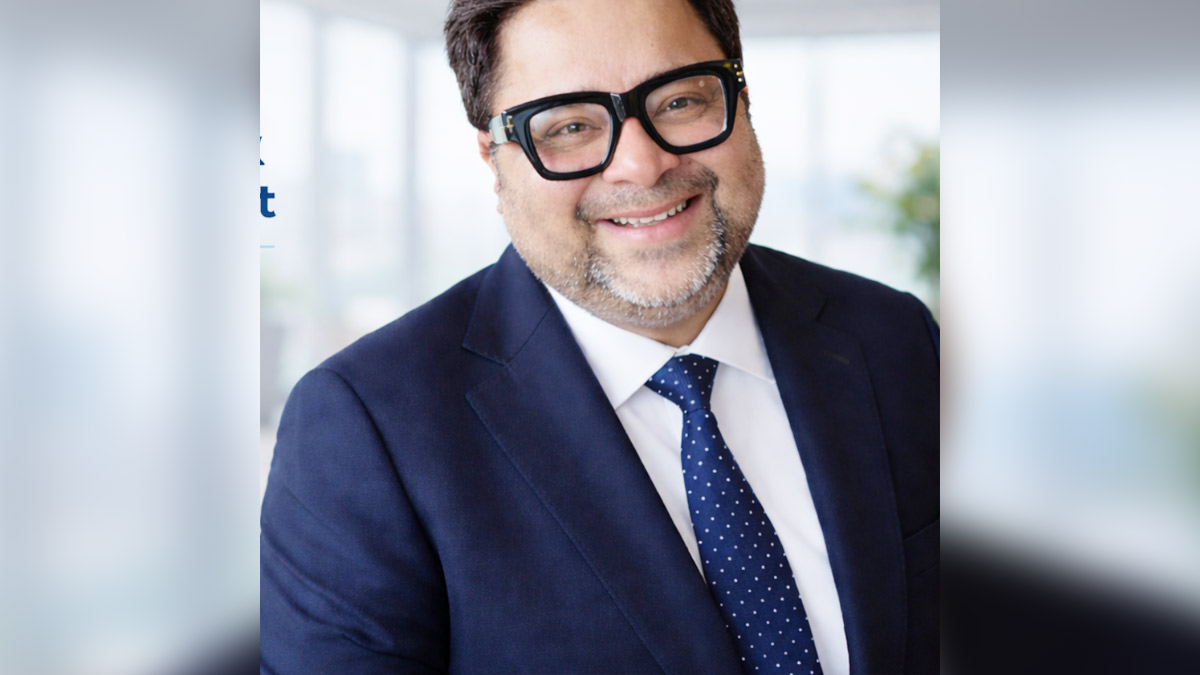
NOIDA: Piyush Thakur has stepped away from Inshorts Group after nearly 10 years with the company, marking the end of a long tenure that culminated in his role as chief revenue officer.
In a farewell note, Thakur said he was “turning a new page” after almost a decade at Inshorts, calling it one of the hardest professional decisions he has made. He added that his exit was not driven by uncertainty about the future, but by reflection on a long association with the company.
Thakur joined Inshorts in October 2016 as vice president and spent around seven years in the role before being elevated to chief revenue officer in April 2024, a position he held until April 2026.
He said his tenure was defined by “thousands of mornings, late nights, product debates and breakthrough moments”, as the company evolved into a large-scale digital news platform used by millions.
In his note, Thakur emphasised that Inshorts’ growth was a collective effort across teams, adding that engineers, designers, sales teams and customer support staff all contributed to building the platform. He said the company’s success was not the result of individuals but of “everyone who stayed, passed through, and left their mark”.
Before Inshorts, Thakur worked across several digital media and business development roles. At ESPN, he served as senior regional manager from October 2015 to October 2016, focusing on growth initiatives, strategic opportunities and video distribution.
At Times Internet, he worked for nearly three years, including as head of business development from April 2015 to September 2015 and chief manager from January 2013 to March 2015. His responsibilities included monetisation of mobile platforms, managing media and developer partnerships, and driving revenue across digital properties such as The Times of India and The Economic Times.
Earlier, he worked at Brandmovers as head of business development from June 2012 to June 2013, handling digital, mobile and social media marketing solutions, client development and strategic consulting. During this period, he also worked on advertising revenue, brand strategy and CRM-based solutions.
At Inshorts, Thakur’s role focused on revenue strategy, mobile and media partnerships, and growth initiatives across platforms. His profile highlights experience in mobile product management, digital business models, partner ecosystems and revenue expansion in high-growth environments.







