News Headline
Fizz out before the first ball as Bangladesh pulls plug on IPL

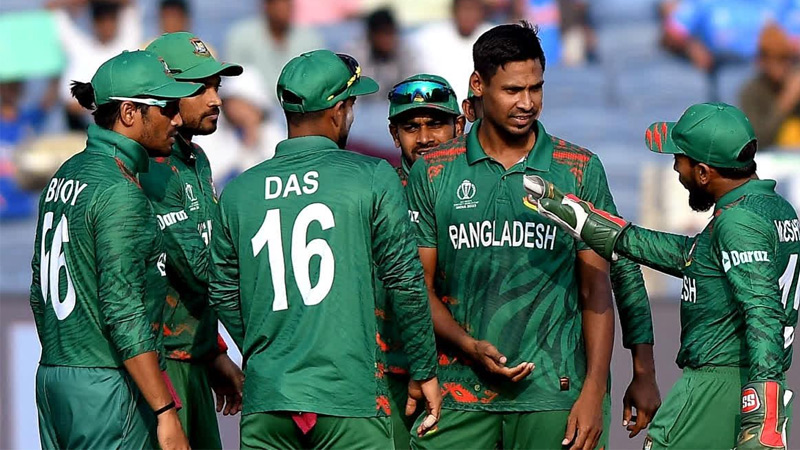
MUMBAI: When cricket diplomacy slips, even the biggest league can be left on mute. Bangladesh has ordered an indefinite ban on the telecast and promotion of the Indian Premier League, escalating a controversy triggered by the removal of fast bowler Mustafizur Rahman from Kolkata Knight Riders ahead of the new season.
In an official communication dated January 5, the Bangladesh government confirmed that all IPL-related broadcasts, promotions and event coverage have been suspended with immediate effect and will remain so “until further orders”. The decision, approved by the competent authority, was described as being taken in the “public interest”.
The move follows KKR’s decision to release Mustafizur, which Bangladeshi authorities said was conveyed as an instruction from the Board of Control for Cricket in India and lacked “any logical reason”. Citing this, the government said it had been compelled to halt all IPL-related telecasts and promotional activity across the country.

The fallout has not stopped at television screens. The Bangladesh Cricket Board has decided not to send its national team to India for the upcoming ICC Men’s T20 World Cup, citing security concerns and government advice. Bangladesh are scheduled to play all four of their league matches in India under the existing tournament plan.
While the BCCI has not publicly linked Mustafizur’s release to bilateral relations, it indicated that broader considerations informed the decision. The pacer’s abrupt exit prompted the BCB to convene an emergency meeting, followed by a unanimous board resolution that the team would not travel under the current circumstances.
“The Board reviewed developments over the last 24 hours and expressed deep concern over the overall situation surrounding the participation of the Bangladesh National Team in matches scheduled to be played in India,” the BCB said. “Considering the advice from the Bangladesh Government and growing concerns regarding the safety and security of the contingent, the Board resolved that the team will not travel for the tournament.”
BCB director Khaled Mashud Pilot was more blunt. “If they cannot provide security to one of our players, how will they ensure the security of our entire team?” he said, referencing Mustafizur’s situation.
The matter is now expected to land with the ICC, as cricket’s most lucrative league finds itself entangled in a diplomatic snarl proof that in the subcontinent, the game can stop long before the first ball is bowled.



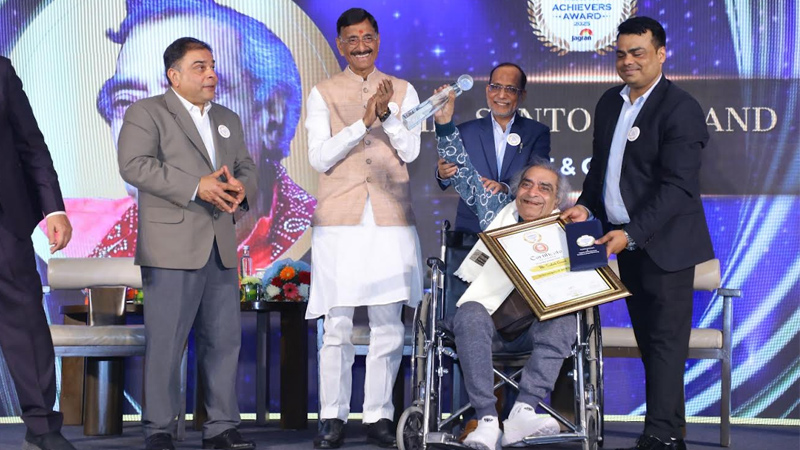
NEW DELHI: Hamdard Laboratories gathered a cross-section of India’s achievers in New Delhi on Friday, handing out the Hakeem Abdul Hameed Excellence Awards to figures who have left their mark across healthcare, education, sport, public service and the arts.
The ceremony, attended by minister of state for defence Sanjay Seth and senior officials from the ministry of Ayush, celebrated individuals whose work blends professional success with a sense of public purpose. It was as much a roll call of achievement as it was a reminder that influence is not measured only in profits or podiums, but in people reached and lives improved.
Among the headline awardees was Alakh Pandey, founder and chief executive of PhysicsWallah, recognised for turning affordable digital learning into a mass movement. On the sporting front, Arjuna Awardee and kabaddi player Sakshi Puniya was honoured for her contribution to the game and for pushing women’s participation onto bigger stages.
The cultural spotlight fell on veteran lyricist and poet Santosh Anand, whose songs have echoed across generations of Hindi cinema. At 97, Anand accepted the honour with characteristic humility, reflecting on a life shaped by perseverance and hope.
Healthcare honours spanned both modern and traditional systems. Manoj N. Nesari was recognised for strengthening Ayurveda’s place in national and global health frameworks. Padma shri Mohammed Abdul Waheed was honoured for his research-backed work in Unani medicine, while padma shri Mohsin Wali received recognition for his long-standing contribution to patient-centred care.
Education and social development also featured prominently. Padma shri Zahir Ishaq Kazi was honoured for decades of work in education, while former Meghalaya superintendent of Police T. C. Chacko was recognised for public service. Goonj founder Anshu Gupta received an award for his dignity-centred rural development initiatives, and the Hunar Shakti Foundation was honoured for empowering women and young girls through skill development.
The Lifetime Achievement Award went to former IAS officer Shailaja Chandra for her long career in public healthcare and governance, particularly in the traditional systems under Ayush.
Speaking at the event, Hamdard chairman Abdul Majeed said the awards were a tribute to those who combine excellence with empathy. “These awardees reflect Hakeem Sahib’s belief that healthcare, education and public service must ultimately serve humanity,” he said.
Minister Seth struck a forward-looking note, saying India’s young population gives the country a unique opportunity to become a global destination for learning, health and wellness by 2047.
The ceremony also featured the trailer launch of Unani Ki Kahaani, an upcoming documentary starring actor Jim Sarbh, set to premiere on Discovery on 11 February.
Instituted in memory of Unani scholar and educationist Hakeem Abdul Hameed, the awards have grown into a national platform that celebrates those building a more inclusive and resilient India. For one evening at least, the spotlight was not just on success, but on service with substance.







