iWorld
Five reasons to watch ‘Permanent Roommates’ Season 3


Mumbai: One of India’s earliest web series that stole our hearts with its endearing characters, Mikesh and Tanya, Permanent Roommates is back with season three on Prime Video. The TVF original series Permanent Roommates captured the attention of viewers and critics in India, garnering praise for both season one and season two. Directed by Shreyansh Pandey, this much-loved relationship drama explores companionship, love, and ambitions all under the umbrella of modern-day dating. After the release of season two in 2016, Permanent Roommates Season 3 promises a blend of comedy and heartfelt emotions that fans have been waiting for.
Here are five compelling reasons to watch Permanent Roommates Season 3.
Mikesh and Tanya

Permanent Roommates Season 3 delves deeper into the lives of its much-loved characters, Mikesh and Tanya, as they work through their ambitions and loving relationship. From Mikesh not wanting to fly to Canada to Tanya looking forward to her dreams, the roommates share their ups and downs giving us an honest and relatable portrayal of love and relationships.

Hilarious comedy and heartfelt emotions
Sumeet Vyas and Nidhi Singh’s starrer series Permanent Roommates is known for its situational comedy and mushy romance. The latest season of the show promises to bring back the same comedy and adventure for viewers. With fun-filled comedy, crackling dialogues, and light-hearted moments, every episode feels like a rollercoaster of emotions.

Engaging storyline
Season 3 presents an engaging and unpredictable storyline, keeping the viewers engrossed in Mikesh and Tanya’s journey. The series strikes the ideal balance between drama and comedy, ensuring a delightful experience that touches on serious subjects with some good laughter. The show echoes how couples of today’s time think and feel about love and relationships.
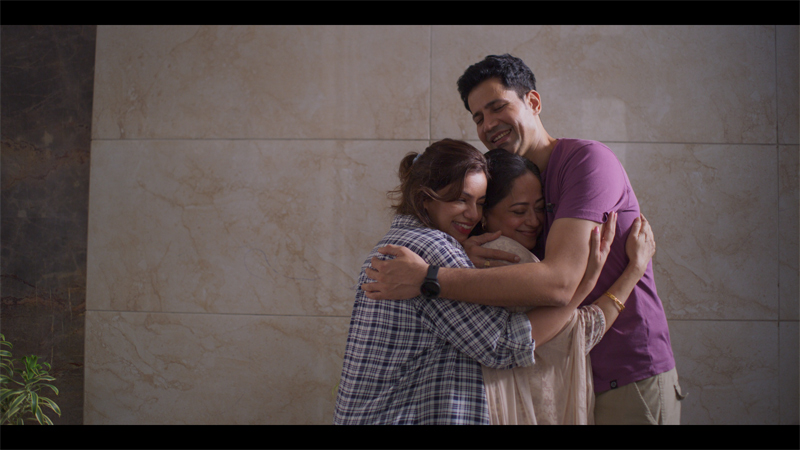
Strong ensemble cast
The talented cast brings the characters to life with their flawless performances, making the show even more enjoyable and authentic. Along with Sumeet Vyas and Nidhi Singh, watching Sheeba Chaddha and Shishir Sharma in their phenomenal characters is a delight to watch The supporting characters add more fun, emotion, and drama to the series. Every character has added flavors of life to the series.
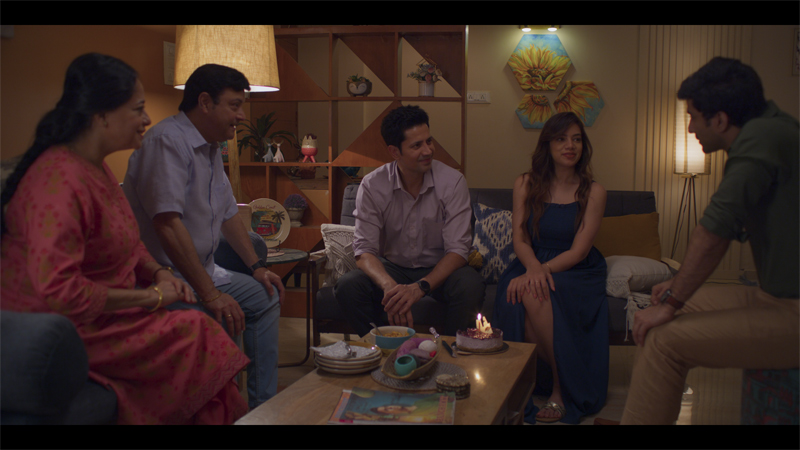
Relationship challenges
Permanent Roommates not only has a great storyline or brilliant characters but it also shows how one should deal with challenges that come in life. Season 3 subtly showcases the challenges faced by Mikesh and Tanya but also provides insights and perspectives that can resonate with viewers in various stages of their own lives.
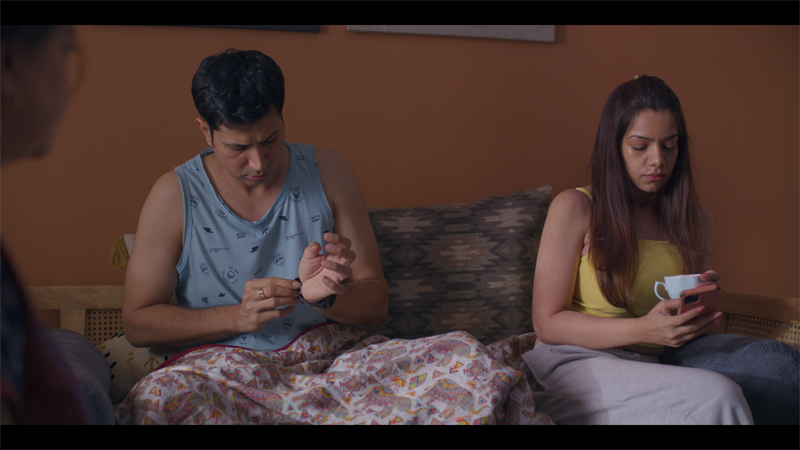
Produced by The Viral Fever (TVF) and directed by Shreyansh Pandey, Season 3 of Permanent Roommates will premiere exclusively on Prime Video in India and across over 240 countries and territories from 18 October. Featuring Sumeet Vyas and Nidhi Singh in the lead roles, the romantic drama will bring the internet’s favorite couple back in this latest addition to the Prime membership.
Permanent Roommates Season 3 is a part of Prime Video’s festive line-up for the Great Indian Festival 2023 starting 8 October onwards. The line-up also includes several other original series and blockbuster movies across multiple languages, special discounts every day for the first 1000 customers renting titles on the Prime Video store and ‘Diwali Special Offers’ for customers with up to 50 per cent discounts across several Prime Video channels.







iWorld
Parineeti Chopra hosts new parenting series Mom Talks on Zee5 and Bullet
Celebrity parents share honest stories in 9-episode show launching 4 April 2026.

MUMBAI: Parineeti Chopra is stepping into a brand-new role not on the big screen, but as the warm, relatable host helping parents navigate the beautiful chaos of raising children. Bullet microdrama and Zee5 have announced the launch of Mom Talks, a fresh content-led IP hosted by the popular actress. The 9-episode series brings together celebrity parents including Imran Khan, Neha Dhupia, Vikrant Massey & Sheetal, and Gauahar Khan & Zaid Darbar to share candid, real-life perspectives on everyday parenting.
Positioned as a high-engagement format, Mom Talks taps into the growing demand for authentic and credible parenting content. It also offers seamless, contextual integration opportunities for brands. The series is backed by a strong lineup of partners including Johnson’s Baby, GSK, Aveeno Baby, Mini Klub, Titan Eye+ and Cordelia Cruises.
Bullet microdrama app, co-founder & chief business officer Azim Lalani said the show exemplifies how content is evolving towards more rooted, sustained engagement. “It’s about bringing content that people come back to, while creating a natural space for brands to be part of the narrative,” he noted.
Mom Talks creator Bullet head of AVOD & partnerships Munaf Merchant explained the core idea, “We wanted to build a safe, honest, one-stop destination for parents seeking real answers to everyday questions.”
The first episodes will stream for free on ee5 AVOD starting 4 April 2026, with new episodes dropping every Friday and Saturday. The series will also be available on the Bullet microdrama app.
Speaking about their association, Peeyush Unikkat from Johnson’s Baby highlighted the brand’s focus on supporting modern parenting journeys, while Aakash Mehta from GSK emphasised the show’s role in making important health conversations more relatable for new parents.
In a digital space often filled with filtered perfection, Mom Talks promises something refreshingly real honest conversations, celebrity insights, and practical wisdom, all wrapped in Parineeti Chopra’s engaging presence. For Indian parents, this could be the parenting series they’ve been waiting to binge.






