iWorld
Firework India to onboard various content creators like Faye D’Souza

MUMBAI: After getting into a partnership with Faye D’Souza, Firework India plans to rope more creators to generate quality and genuine content on the platform. Recently, former Mirror Now executive editor Faye D’Souza launched a new channel called Facts First with Faye, wherein she will be speaking on global and national news in 30-second videos.
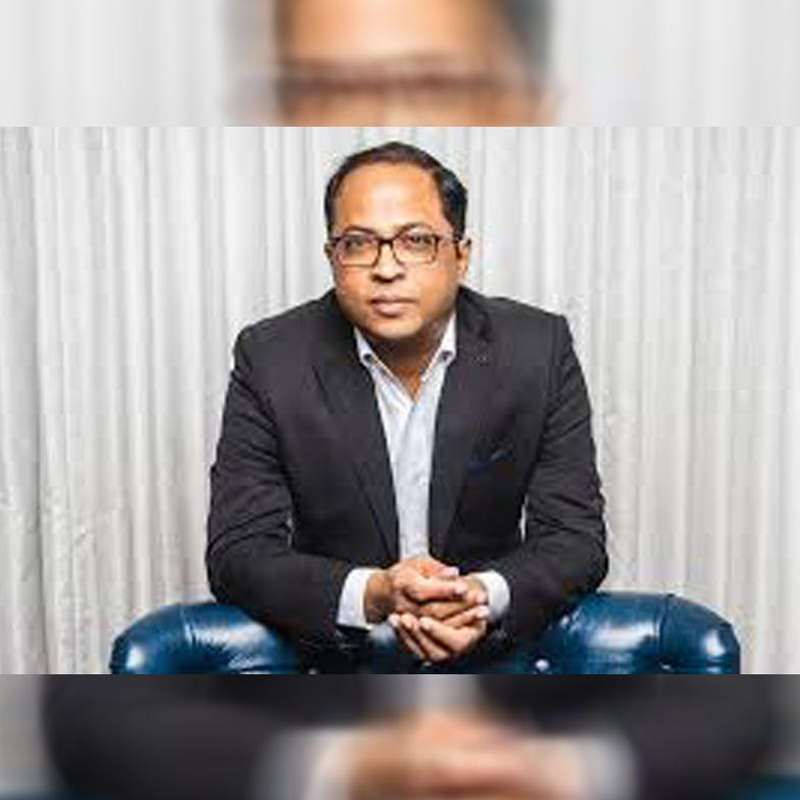
Firework India chief executive officer Sunil Nair, speaking exclusively to indiantelevision.com, said: “In the coming months we have plans to onboard several such creators. We will not restrict ourselves from any categories as long as it makes sense to our users and is tastefully done.”
Google-owned Firework is a short-video sharing app that was launched in India in October 2019.

While commenting on the revenue sharing model between the platform and D’Souza, Nair said: “The revenues will only grow with her channel’s popularity. As her partner, we will promote this channel. She produces compelling content and I am certain this will see rapid growth in the next one month.”
Meanwhile, stating it as a revenue-sharing model between the platform and her, D’Souza had said, “We will also be looking at the branded content aspect going forward as the channel gets more traction.” The Facts First with Faye has already garnered 727 followers and the videos shared on the platform have her piece-to-camera interspersed with graphics.
Content creators on digital platforms are, lately, being targeted by people in power to remove content or restrict them for posting something that’s controversial. In this regard, the Firework India CEO, talking on the independence of content creation, said: “We do not have any affiliations or favour anybody and let users decide and form an opinion. And, it’s the fundamental reason to come out with 30-second programming.”
He added, “We are aware that India is a sensitive nation and have put together a very strong moderation team. With the collaboration of AI and human intervention, we have the ability to restrict any content that may hurt Indian sentiments.”
With news being broadcast in 30-second video format, the Firework India CEO said, “We are certain that our purpose is only to deliver the message, what our users make of the message is their decision. Hence, yes, 30 seconds is enough to do that. We have integrated news in our product – as a channel- with the objective of being unbiased with absolutely no other agenda.”
Pointing out that the country has very informed and aware citizens, Nair said: “The urban youth are opinionated and we must respect and understand that young India can make their own decisions and conclusions and they don’t need many hours of repetitive debates or be told what opinion to form.”



eNews
Piyush Thakur steps down as Inshorts’ chief revenue officer
Former vice president and cro says exit marks a new chapter after close to a decade of building revenue and partnerships at Inshorts Group.
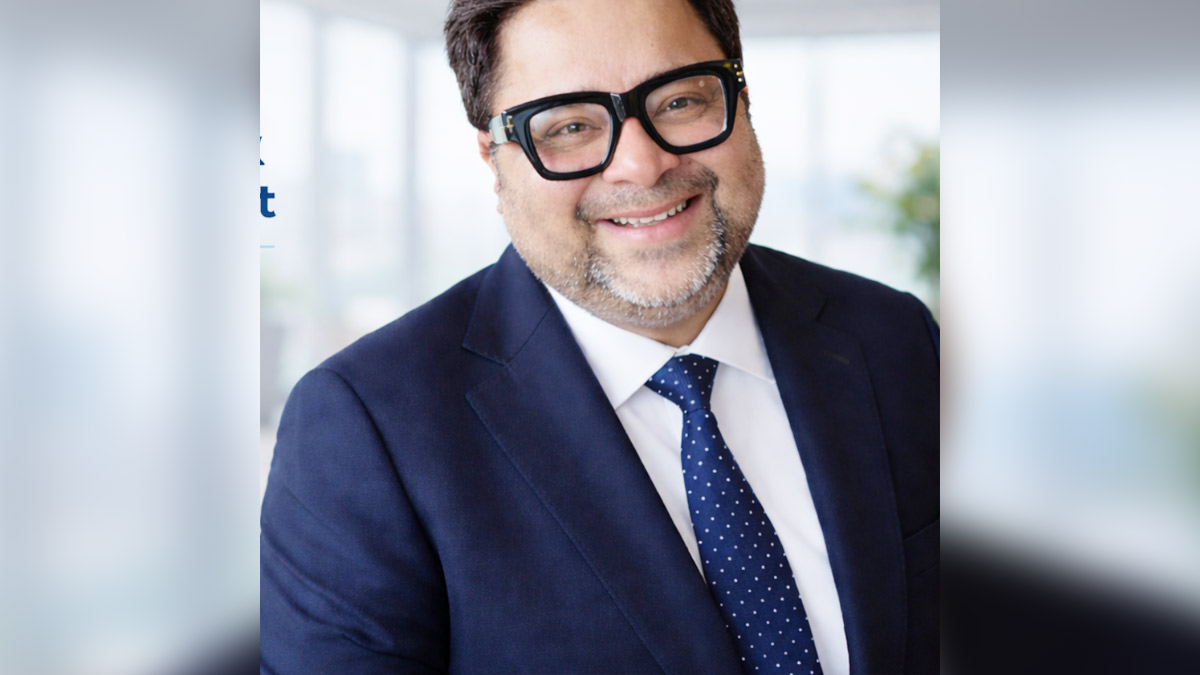
NOIDA: Piyush Thakur has stepped away from Inshorts Group after nearly 10 years with the company, marking the end of a long tenure that culminated in his role as chief revenue officer.
In a farewell note, Thakur said he was “turning a new page” after almost a decade at Inshorts, calling it one of the hardest professional decisions he has made. He added that his exit was not driven by uncertainty about the future, but by reflection on a long association with the company.
Thakur joined Inshorts in October 2016 as vice president and spent around seven years in the role before being elevated to chief revenue officer in April 2024, a position he held until April 2026.
He said his tenure was defined by “thousands of mornings, late nights, product debates and breakthrough moments”, as the company evolved into a large-scale digital news platform used by millions.
In his note, Thakur emphasised that Inshorts’ growth was a collective effort across teams, adding that engineers, designers, sales teams and customer support staff all contributed to building the platform. He said the company’s success was not the result of individuals but of “everyone who stayed, passed through, and left their mark”.
Before Inshorts, Thakur worked across several digital media and business development roles. At ESPN, he served as senior regional manager from October 2015 to October 2016, focusing on growth initiatives, strategic opportunities and video distribution.
At Times Internet, he worked for nearly three years, including as head of business development from April 2015 to September 2015 and chief manager from January 2013 to March 2015. His responsibilities included monetisation of mobile platforms, managing media and developer partnerships, and driving revenue across digital properties such as The Times of India and The Economic Times.
Earlier, he worked at Brandmovers as head of business development from June 2012 to June 2013, handling digital, mobile and social media marketing solutions, client development and strategic consulting. During this period, he also worked on advertising revenue, brand strategy and CRM-based solutions.
At Inshorts, Thakur’s role focused on revenue strategy, mobile and media partnerships, and growth initiatives across platforms. His profile highlights experience in mobile product management, digital business models, partner ecosystems and revenue expansion in high-growth environments.







