Hindi
Films Division of India to celebrate Mahatma Gandhi’s birth anniversary


MUMBAI: Films Division of India, the repository of visual footage and short films on Mahatma Gandhi, is celebrating his 143rd birth anniversary by organizing a festival of films and art, aptly called – Baapu.
The five day event between 2 to 5 October will have screenings of some of the popular feature films on Gandhiji – Gandhi, The Making of The Mahatma, Gandhi My Father, Maine Gandhi Ko Nahin Mara, Lage Raho Munna Bhai and documentaries like Lines of Mahatma, Gandhi An Emerging Reality, Gandhiji through the Eyes of the Cartoonist, Gandhi, Nehru and Modern Art, Gandhiji‘s letter to Hitler and Places where Gandhiji lived.
Veteran film personalities like Shyam Benegal, Jahnu Barua, Anupam Kher, Feroz Abbas Khan, Rohini Hattangady, Darshan Jariwala and Arun Khopkar will grace the screenings and interact with the audiences.

Also included are live Baapu bhajans, slide show of Gandhi paintings by noted painter Atul Dodiya, and exhibition of Gandhi artifacts by Mani Bhavan and release of collectors’ edition DVD.
“Baapu” will be inaugurated by Shyam Benegal in the presence of Jahnu Barua and other dignitaries on 2 October. While there will be full day screenings from 11.00 am to 8.45 pm on 2 October and 10.00 am to 5.00 pm on 6 October, there will be evening screenings from 6.00 pm to 9.30pm from 3 to 5 October.





Hindi
MIFF 2026 to return to Mumbai; film entries open till April 12
19th edition to host WAVES Doc Bazaar, spotlighting global documentary talent
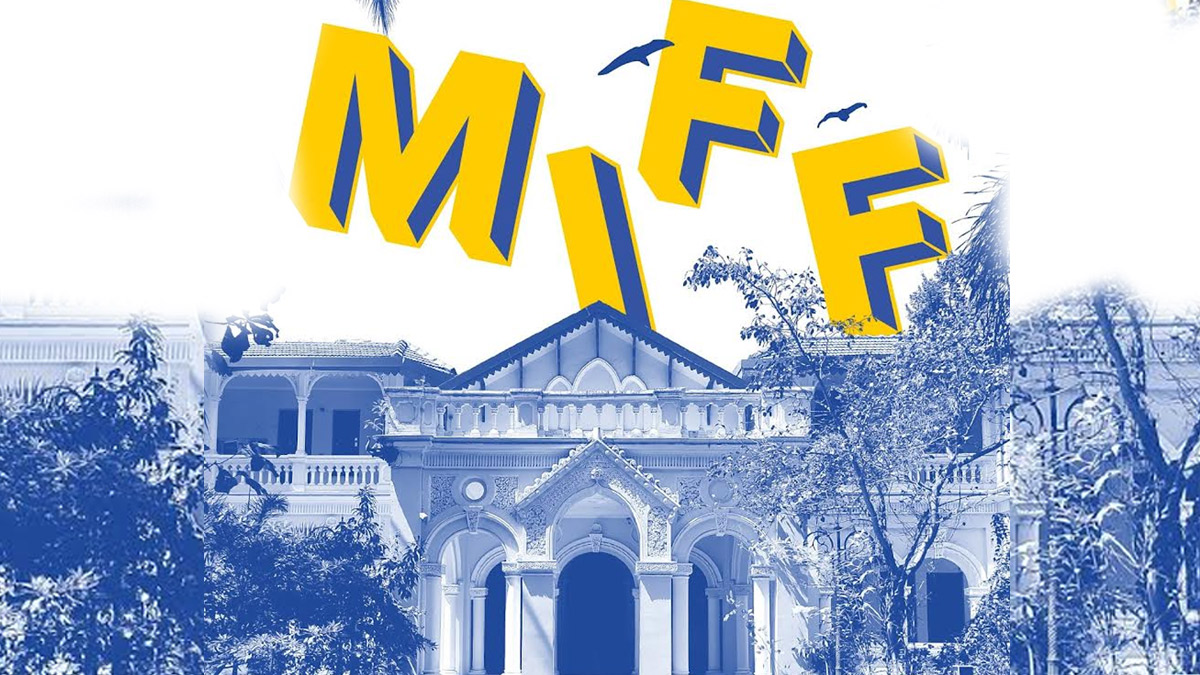
MUMBAI: The 19th edition of the Mumbai International Film Festival 2026 is set to take place from June 15 to 21 at the NFDC Complex, with film submissions currently open and the deadline fast approaching on April 12.
Organised by the National Film Development Corporation under the Ministry of Information and Broadcasting, the biennial festival remains one of South Asia’s most prominent platforms for documentary, short fiction and animation films.
Filmmakers, producers and content creators from across the globe have been invited to submit entries via the Film Freeway platform for the Competition Section. Offline submissions will not be accepted, reinforcing a fully digital entry process.
MIFF 2026 continues to sweeten the deal with a robust awards pool of Rs 55 lakh. The coveted Golden Conch for Best Documentary carries a top prize of Rs 10 lakh, alongside multiple awards across categories, making it one of the most lucrative non-feature film festivals in the region.
A key highlight this year will be the second edition of the WAVES Doc Bazaar, scheduled from June 16 to 18 alongside the festival. Designed as a hub for collaboration, the Doc Bazaar will feature a co-production market, viewing rooms and a work-in-progress lab, bringing together global buyers, sellers and creators under one roof.
Since its inception in 1990, MIFF has built a reputation as a serious showcase for non-feature cinema, drawing participation from filmmakers worldwide. The previous edition saw over 350 films from more than 30 countries, underlining its growing international footprint.
With submissions closing soon and preparations underway, MIFF 2026 is shaping up to be a vibrant meeting point for storytelling, collaboration and cinematic craft, offering filmmakers both a stage and a springboard.







