iWorld
FilmKaravan’s Pooja Kohli Taneja on experimenting with genres, episodic format and post-Covid2019 production changes

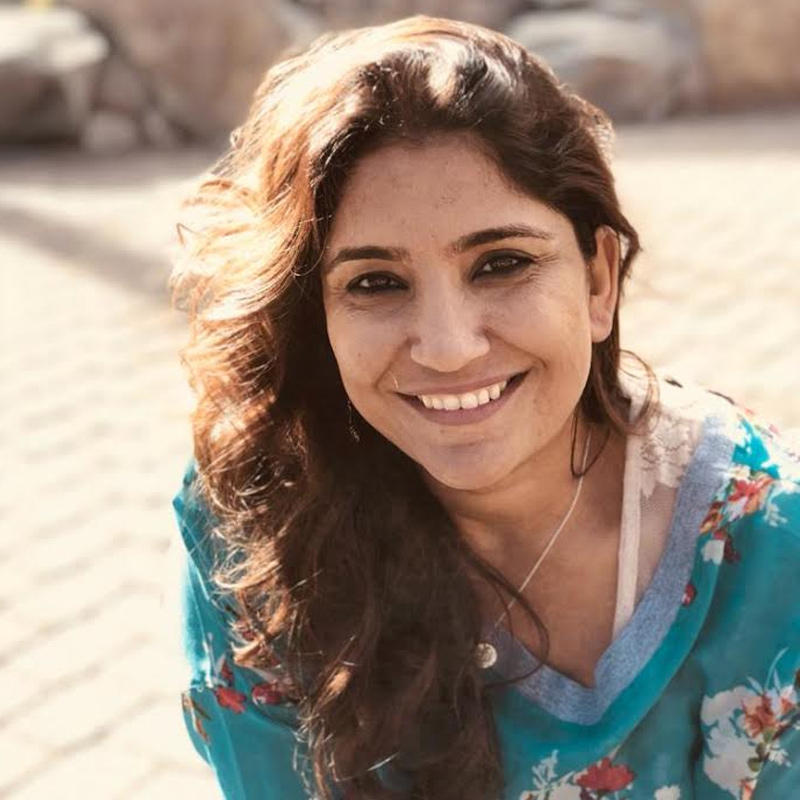
MUMBAI: From a serious thriller Delhi Crime to a teenage drama What Are The Odds? That's the route FilmKaravan has taken. While most people experiment with similar genres, FilmKaravan took a bold step and will continue to do the same.
While What Are The Odds? is streaming on Netflix, the production house is also in talks with other OTT platforms. It currently has a total of 13 projects at different stages, FilmKaravan founder and managing director Pooja Kohli Taneja says.
In an interview with Indiantelevision.com, she speaks about the future plan of the production house, Covid2019 impact and how the post-pandemic world will look.

Edited excerpts:
How was the experience collaborating with Netflix for the second time?
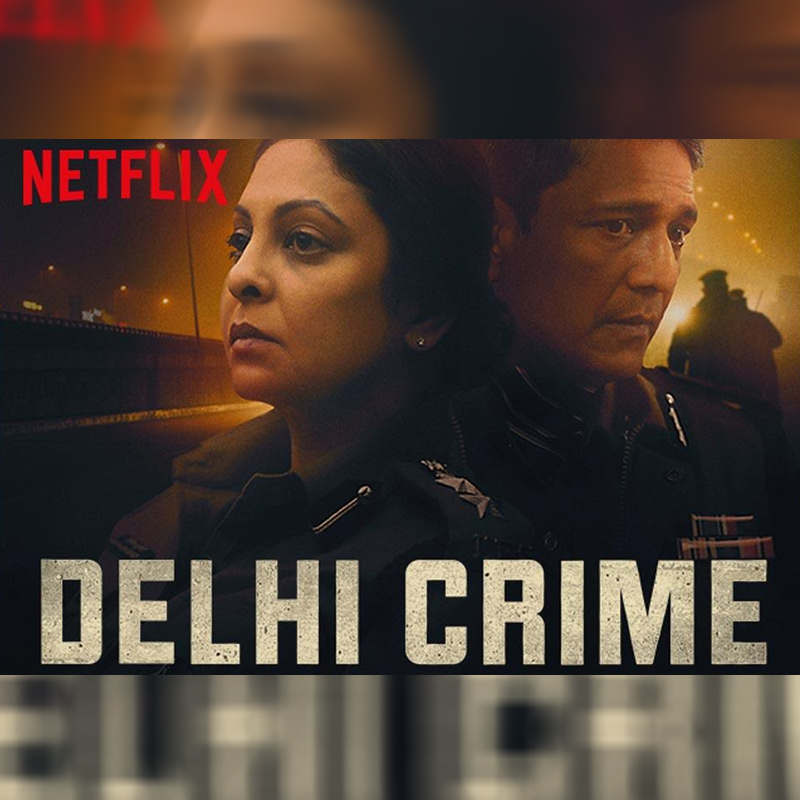
It was a great experience. The first time we had a show called Delhi Crime that we had produced and we licensed to Netflix. And now for the first time, we were talking about a feature film. What are the Odds? is a very different kind of a film produced by FilmKaravan Originals and Abhay Deol Presents and Netflix was the only platform that really saw the vision that we were coming from. They believed in the content and type of storytelling, especially having gone through once before with a show that was also considered very sensitive. But this collaboration worked really well and the film did wonders on their platform. They were equally eager to see where and how a film like this would go and we got maximum support and love from audiences through their platform.
Are you in talks with other OTT platforms?
Yes, we are in talks with all OTT platforms. We have from our end tried to see what different platforms' mandates are, what they're looking for, what their budgets are, what kind of material is working on their platform since audiences are still very new to this. It's almost like channels from the old days. A show on Zee would technically sometimes be different from a show on Star or Sony and I see all these OTT platforms as the new broadcast channels with their own niche audiences. So as we develop things with different platforms in mind, we keep that audience view of that platform in mind while developing.
What are the other genres that you are planning to explore?
We're working on a bunch of projects, and in fact all genres are completely different from one another. We are working on Delhi Crime season
two and three. In addition to that we have a bunch of shows that we are currently writing and are in development ranging from a young dance musical to a period piece that is set in pre-Independence India with also a youth relationship drama and a bunch of other things. There's a detective show in the pipeline as well. There are all kinds of genres that we're playing with. The art of telling a story in an episodic manner is something very new to the Indian market and we want to be able to tell something very accurately and authentically for the local audiences, but also have a treatment that is slightly more international and gripping and those are the backbones for which we are developing most of our material.
How many projects do you have in the pipeline?
We have a total of 13 projects right now at different stages. Some are books-based, some are based on true case files or stories, some are completely fictionalised and we have a mix of writer directors from India as well as international talent. We see a huge improvement in the kind of material that we were able to put together if we have some of the senior people that have worked on episodic content outside India previously who bring their learnings along with storytellers from India who can really grasp the characters and the world and tell that story together convincingly and in a tight manner.
How many of your projects were stuck because of this crisis?
We were in the middle of Delhi Crime season 2 shoot. We had eight days left to complete but because of the situation really escalating very quickly in Delhi where we were shooting we had to stop the shoot. A lot of our crew that was from outside India had to fly back to be with their families before the shutdown happened and we're waiting. We're not in a rush to get back. We want to be sure that it's safe and all procedures and protocols that are being set out by the producers unions, as well as the Motion Picture Association, are being followed and we can get back maybe end of July to complete the shoot on our current production and then resume the others but there's just a lot of writing and development work that's going on alongside.
How do you see the overall production space changing post-Covid?
Like I said time will tell as and when things get better, we're in a wait and watch mode. We're not in a rush to get back into production until it is safe for our teams to resume getting on flights and going to locations and being with a hundred plus people on set. We have testing kits that we are organising. We have medical staff on ground and a lot of these protocols that we are planning and ensuring that we can take care of as we move forward into our next phase of post Covid2019 productions.
When do you expect everything to go back to normalcy?
It's going to be a new space and will be a new normal. It's going to require a lot of checks and takes from our side to ensure the safety and the security of our cast and our crew and moving forward, I think there will be an early check on the kind of material that we are writing whether it is even going to work when it comes to production time, so, you know large crowds, B rolls, street scenes, etc. It will be very difficult to have a crowd scene with a thousand people like we had in a Delhi Crime showing the sights at India Gate in these times. Until we have complete control and check on this situation we'll have to be very creative to make these shoots and stories happen in a post Covid2019 normal that will exist.



iWorld
Samay Raina returns with Still Alive, confronts 2025 controversy in bold comeback special
Comeback set tackles controversy, blending humour with raw storytelling
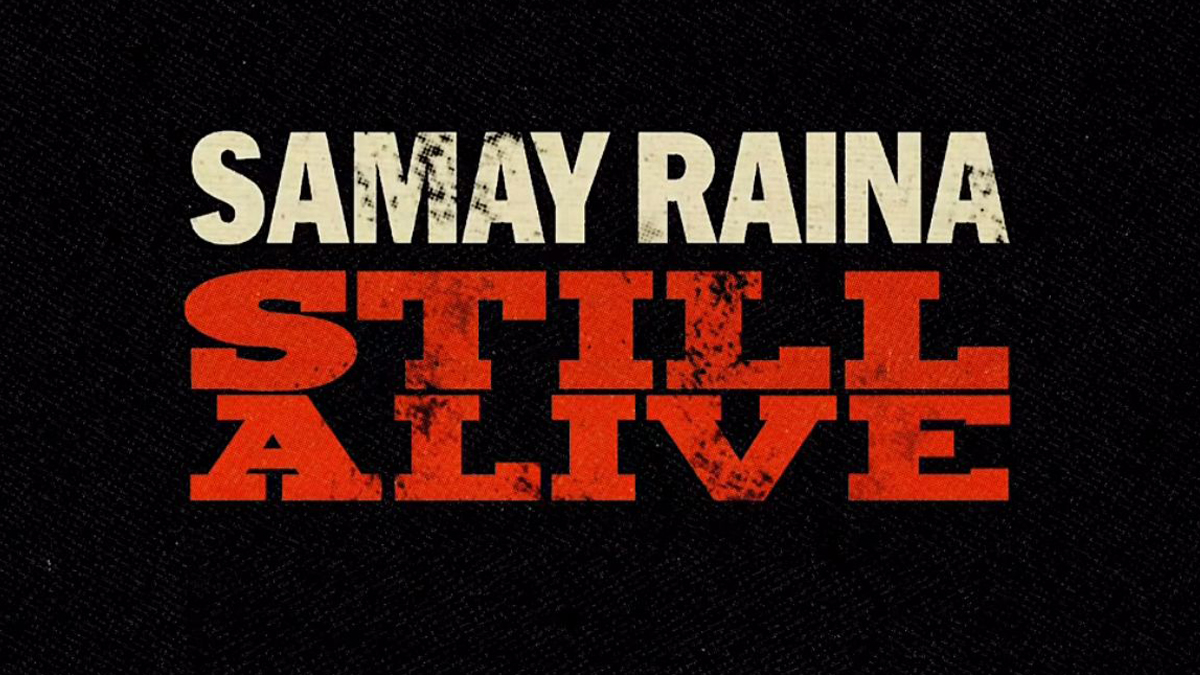
MUMBAI: Samay Raina is set to release his new stand-up comedy special, Still Alive, on YouTube on April 7, 2026, marking a high-profile return following a turbulent year.
The trailer for the special dropped on April 5, offering a glimpse into what Raina describes as a raw and unfiltered set that leans as much on honesty as it does on humour.
Positioned as a comeback of sorts, Still Alive draws heavily from the controversy surrounding his show India’s Got Latent in early 2025. The episode led to legal trouble, multiple FIRs, and a lengthy six-hour interrogation by the Maharashtra Cyber Cell, placing the comedian at the centre of intense public scrutiny.
Rather than sidestep the episode, Raina leans into it. The special reflects on the fallout and his personal journey through it, blending observational comedy with moments of emotional candour. Early audience feedback from live performances suggests the tone is less about rapid-fire punchlines and more about storytelling with bite.
The special was filmed during his global Still Alive & Unfiltered tour, which ran from August 2025 to early 2026. The tour saw Raina perform across major international venues, including the Madison Square Garden Theatre in New York, a milestone that places him among the youngest Indian comedians to take that stage.
The title itself signals resilience. “Still Alive” is a nod to navigating both legal and public backlash while choosing to remain unapologetically authentic, a theme that appears to anchor the set.
With the special set to premiere online, all eyes are now on how audiences respond to a performance that promises equal parts reflection and wit. For Raina, the message is clear. He is not just back, he is ready to be heard on his own terms.






