Gaming
FIFS welcomes MIB’s advisories against illegal offshore betting platforms ads

Mumbai: The Federation of Indian Fantasy Sports (FIFS), the industry’s self-regulatory body, has welcomed the ministry of information and broadcasting (MIB) decision not to allow private television channels, digital news publishers, and OTT platforms to broadcast/show advertisements for online betting sites and surrogate ads. The federation lauds the ministry for the move that reiterates FIFS’ stand against this menace. FIFS said that it has previously emphasised the need for identification and prohibition of offshore business activities to ensure consumer interest safeguards.
FIFS DG Joy Bhattacharjya said, “We thank the ministry of information and broadcasting for this important step. As FIFS, we have been creating awareness about the need for demarcation between the legitimate and illegitimate players in the online gaming ecosystem to ensure unwarranted elements like offshore betting and gambling don’t see a rise and adversely impact consumer interests. This move from the ministry will ensure that Indian citizens are educated about the risks on these platforms and do not get lured or trapped by the same. We are hopeful that this initiative will lead to further stringent action on these players by other arms of the government as well.”
As a big and positive step towards consumer interest protection, on 3 October 2022, MIB issued an advisory to private television channels, digital news publishers, and OTT platforms to refrain from showing advertisements for online betting sites and surrogate advertisements for such sites.

In the advisories issued by the government, a clear stand has been taken by MIB against direct and surrogate advertisements of offshore betting platforms, saying that it may also invite penal action for the broadcasters. The advisories also stated that since betting and gambling are illegal in most parts of the country, advertisements for these betting platforms as well as their surrogates are also illegal and should not be shown to Indian consumers.
The ministry, in its advisory, clearly highlighted that such offshore betting websites use news as a surrogate product to advertise their betting platforms, especially in the digital medium. The advisories mentioned that in these cases, there is a striking resemblance between the logo of the news platform and the betting website. The advisories also clarified that since betting and gambling are illegal in most parts of India, so are their advertisements, direct or surrogate. MIB mentioned the Consumer Protection Act 2019, Cable TV Network Regulation Act 1995 and the IT Rules 2021 to issue the advisories.
FIFS added that it takes consumer interest protection very seriously and recently revised and strengthened its charter in order to promote innovation with responsible growth for the fantasy sports industry. The new charter emphasises the role of the Fantasy Sports Regulatory Authority (FSRA), an independent self-regulatory body committed to promoting standardised best practises in fantasy sports.






Gaming
Konami concludes successful eFootball India campaign
Campaign featuring Rinku Singh, Varun Chakravarthy and other stars boosts engagement ahead of FIFA World Cup 2026.
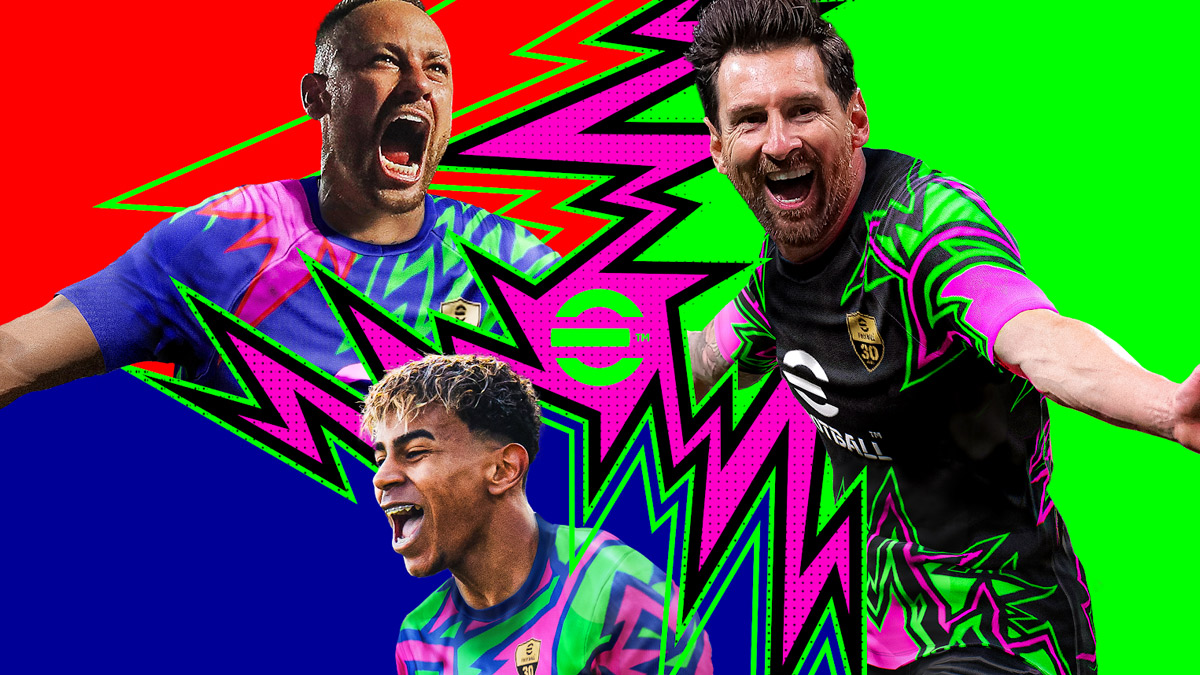
MUMBAI: When cricket meets football in the virtual world, even the biggest fans can’t help but score and Konami’s latest eFootball campaign in India has clearly hit the back of the net. Konami Digital Entertainment has successfully wrapped up its India campaign for eFootball, which brought together cricketers Rinku Singh and Varun Chakravarthy, actors Naslen Gafoor and Chandu Salim Kumar, and footballers Sahal Abdul Samad and Shubhasish Bose. The multi-star campaign generated strong excitement across gaming, football, and creator communities through social content, fan participation, and in-game engagement.
Building on the initial launch that featured a limited-time Lionel Messi card, the campaign united fan communities, lifestyle creators, football creators, and competitive eFootball influencers. It significantly expanded the game’s visibility and deepened engagement with fans across the country.
The campaign also saw thousands of entries submitted as part of its social media engagement challenge, reflecting high levels of community enthusiasm and active creator involvement.
Looking ahead, Konami plans to build on this momentum with more eFootball experiences for Indian fans as the FIFA World Cup 2026 approaches. With global attention on the tournament set to rise, India will remain a key market for deepening community engagement and bringing fans closer to the action.
In a country that lives and breathes sport, Konami has shown that mixing real-world stars with virtual thrills is a winning formula leaving fans eagerly waiting for the next goal.






