Hindi
Fictionalised rendering of Kasab drama online

MUMBAI: It’s been over three years since the 26/11 attacks in which all the nine terrorists except Mohammed Ajmal Kasab were gunned down. While the inhabitants of Mumbai have almost forgotten and gone back to their routines, the Indian judiciary and government are still pondering what to do with the sole surviving terrorist.
Produced by Sohrab Irani, director and film educationist Oovazi Irani has made a ten minute-long film The K File, based on a fictional rendering of one of India‘s biggest contemporary problems.
The film’s protagonist goes by the name of Asab. This is because “the lawyer asked us to call him Asab as the text is separate from the film itself. There might still be some contempt involved,” explained writer Farrukh Dhondy.

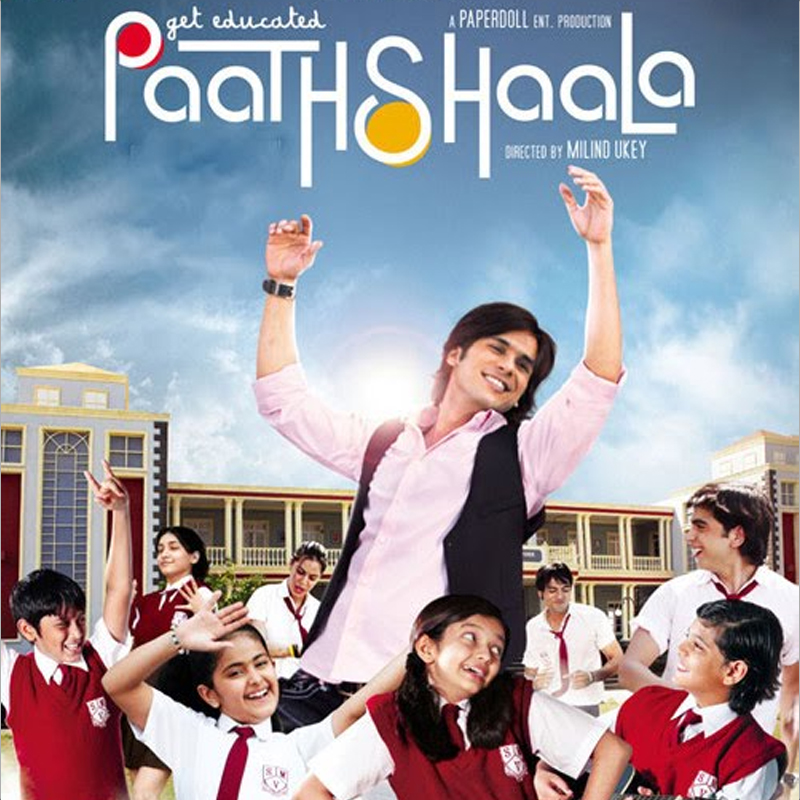
The ten-minute short begins with a home minister (played by Gujarati theater actor and model Tushar Ishwar) wanting to hang terrorist Asab (played by Sanjay Nath, who has acted in films like Paathshala and Chance Pe Dance among others) for the terror attacks in the city.
But the minister has to deal with a political dilemma. He knows that his decision to hang the terrorist would invite a lot of controversy and affect his Muslim vote bank. Thus for months, he grapples with himself for a solution and eventually finds a way to deal with Asab’s case.
The film braves to find a solution to a real life situation by merging fact with fiction and the director is successful to an extent. At the end, the film echoes thoughts of all those awaiting the rightful punishment for Kasab for his horrific act.
The film has been recently released online.



Hindi
MIFF 2026 to return to Mumbai; film entries open till April 12
19th edition to host WAVES Doc Bazaar, spotlighting global documentary talent
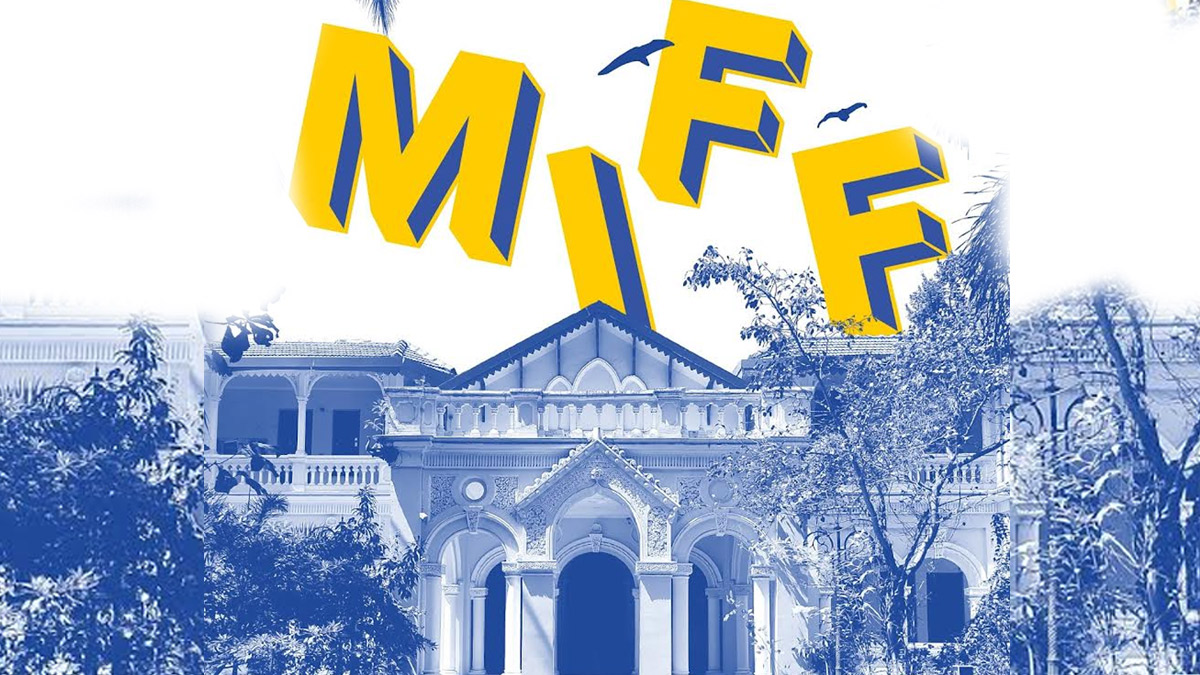
MUMBAI: The 19th edition of the Mumbai International Film Festival 2026 is set to take place from June 15 to 21 at the NFDC Complex, with film submissions currently open and the deadline fast approaching on April 12.
Organised by the National Film Development Corporation under the Ministry of Information and Broadcasting, the biennial festival remains one of South Asia’s most prominent platforms for documentary, short fiction and animation films.
Filmmakers, producers and content creators from across the globe have been invited to submit entries via the Film Freeway platform for the Competition Section. Offline submissions will not be accepted, reinforcing a fully digital entry process.
MIFF 2026 continues to sweeten the deal with a robust awards pool of Rs 55 lakh. The coveted Golden Conch for Best Documentary carries a top prize of Rs 10 lakh, alongside multiple awards across categories, making it one of the most lucrative non-feature film festivals in the region.
A key highlight this year will be the second edition of the WAVES Doc Bazaar, scheduled from June 16 to 18 alongside the festival. Designed as a hub for collaboration, the Doc Bazaar will feature a co-production market, viewing rooms and a work-in-progress lab, bringing together global buyers, sellers and creators under one roof.
Since its inception in 1990, MIFF has built a reputation as a serious showcase for non-feature cinema, drawing participation from filmmakers worldwide. The previous edition saw over 350 films from more than 30 countries, underlining its growing international footprint.
With submissions closing soon and preparations underway, MIFF 2026 is shaping up to be a vibrant meeting point for storytelling, collaboration and cinematic craft, offering filmmakers both a stage and a springboard.







