eNews
ESPNcricinfo brings Gaurav Kalra on board to expand digital video content strategy

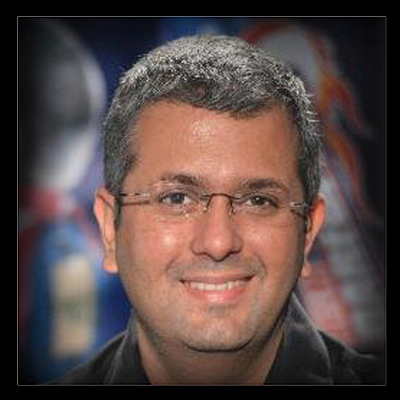
MUMBAI: ESPNcricinfo, the world’s leading digital cricket brand seems to be strengthening its digital team. It has brought on board TV journalist Gaurav Kalra as the Senior Editor for the emerging video editorial and a part of the content development group.
Kalra, who joins ESPN from CNN-IBN, will work with ESPNcricinfo’s in-house digital video production teams and acclaimed editorial team to continue to grow and develop the brand’s use of high-quality video in their journalism and storytelling, as well as original analysis and programming. Kalra will report to Editor of ESPNcricinfo Sambit Bal.

Kalra will be based out of ESPN’s Bangalore office, where ESPNcricinfo also unveiled a new studio and control room built to enhance the production capabilities and quality for the site.
The highly-flexible digital video production studio is designed with four different “pocket sets” that can be purposed for four entirely different programming uses – including a main set, smaller and more casual “discussion” space, a video wall and a “pitch” demonstration set. Each can be customised for different shows and sponsor elements. The studio features multiple HD camera positions, cutting-edge digital switcher and recorder equipment, an eight-line Telos audio system, professional grade talk back system and a live streaming encoder – allowing it to produce full TV-quality programme production.
“ESPN has been at the forefront of developing world-class sports content and are known to have revolutionised the way content is delivered on digital platforms. The opportunity to keep pace with evolving tastes of sports fans and develop high-impact, share-able content in the process, is tremendous. ESPNcricinfo has enjoyed enviable brand loyalty from cricket fans thus far, and I look forward to enhancing the offering by looking at new series and video programming to take story-telling to the next level,” said Kalra.







eNews
Piyush Thakur steps down as Inshorts’ chief revenue officer
Former vice president and cro says exit marks a new chapter after close to a decade of building revenue and partnerships at Inshorts Group.
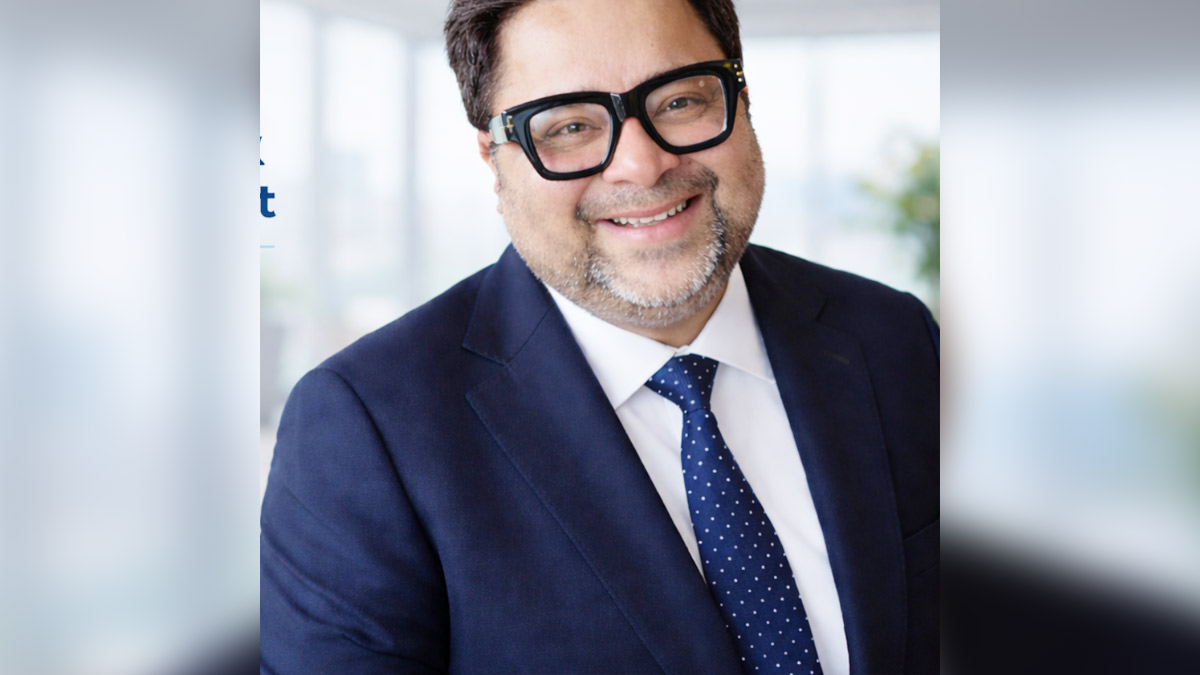
NOIDA: Piyush Thakur has stepped away from Inshorts Group after nearly 10 years with the company, marking the end of a long tenure that culminated in his role as chief revenue officer.
In a farewell note, Thakur said he was “turning a new page” after almost a decade at Inshorts, calling it one of the hardest professional decisions he has made. He added that his exit was not driven by uncertainty about the future, but by reflection on a long association with the company.
Thakur joined Inshorts in October 2016 as vice president and spent around seven years in the role before being elevated to chief revenue officer in April 2024, a position he held until April 2026.
He said his tenure was defined by “thousands of mornings, late nights, product debates and breakthrough moments”, as the company evolved into a large-scale digital news platform used by millions.
In his note, Thakur emphasised that Inshorts’ growth was a collective effort across teams, adding that engineers, designers, sales teams and customer support staff all contributed to building the platform. He said the company’s success was not the result of individuals but of “everyone who stayed, passed through, and left their mark”.
Before Inshorts, Thakur worked across several digital media and business development roles. At ESPN, he served as senior regional manager from October 2015 to October 2016, focusing on growth initiatives, strategic opportunities and video distribution.
At Times Internet, he worked for nearly three years, including as head of business development from April 2015 to September 2015 and chief manager from January 2013 to March 2015. His responsibilities included monetisation of mobile platforms, managing media and developer partnerships, and driving revenue across digital properties such as The Times of India and The Economic Times.
Earlier, he worked at Brandmovers as head of business development from June 2012 to June 2013, handling digital, mobile and social media marketing solutions, client development and strategic consulting. During this period, he also worked on advertising revenue, brand strategy and CRM-based solutions.
At Inshorts, Thakur’s role focused on revenue strategy, mobile and media partnerships, and growth initiatives across platforms. His profile highlights experience in mobile product management, digital business models, partner ecosystems and revenue expansion in high-growth environments.







