International
DreamWorks in talks to acquire feature film rights to Stedman’s debut novel

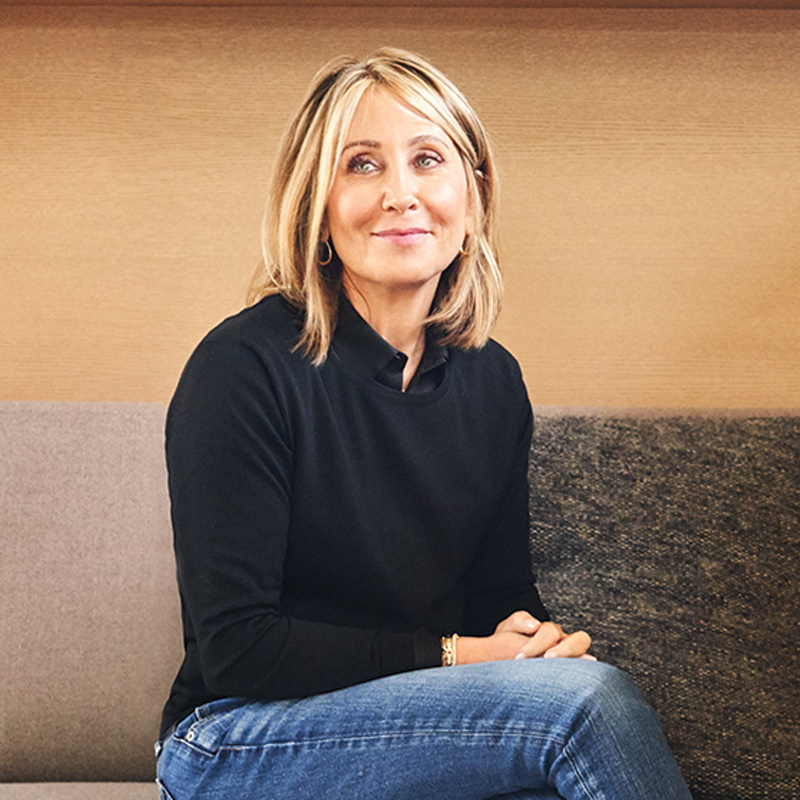
MUMBAI: DreamWorks Studios co-chairman and CEO Stacey Snider has revealed that it is in exclusive talks to acquire the feature film rights to M.L. Stedman‘s debut novel "The Light Between Oceans".
Heyday Films‘ David Heyman (Harry Potter series, Gravity) will produce the film adaptation along with Jeffrey Clifford. Rosie Alison, who brought the book into Heyday, will be the executive producer.
The film is based on a remote Australian island in the years following World War I, where a lighthouse keeper and his wife are faced with a moral dilemma when a boat washes ashore with a dead man and a two-month-old infant. When they decide to raise the child as their own, the consequences of their choice are devastating.
"M.L. Stedman has crafted a visually stunning and emotionally harrowing love story with a confounding moral dilemma at its center," said Stacey Snider in the media. "We were completely transfixed by the story and instantly imagined it as a sweeping, classic film. David Heyman is an ideal partner to bring Stedman‘s story to the screen," he added.
"I was deeply affected by M. L. Stedman‘s powerful and primal story of human choices and their consequences," said Heyman. "It‘s a novel which tackles grand emotions, but everything is rooted within an intimate yet universal story of marital and parental love. I am excited to be working with such sympathetic partners in Stacey and the team at DreamWorks."
‘I‘m both thrilled and incredibly honored that filmmakers of the caliber of DreamWorks and David Heyman are combining their brilliance in plans to bring the book to the big screen," said Stedman.
‘The Light Between Oceans‘ was published in the United States in July 2012 by Scribner and has appeared on both the New York Times and USA Today‘s bestseller lists, and others internationally, as well as being selected as Amazon‘s Best Book of the Month for August. It is due to be translated into nearly 30 languages.
Negotiations are being handled by Nick Marston of Curtis Brown in association with Sue Armstrong of Conville and Walsh.




International
Utopai Studios unveils 4K three-minute video generation for PAI platform
New Story Agent and editing tools aim to streamline AI-led filmmaking workflows
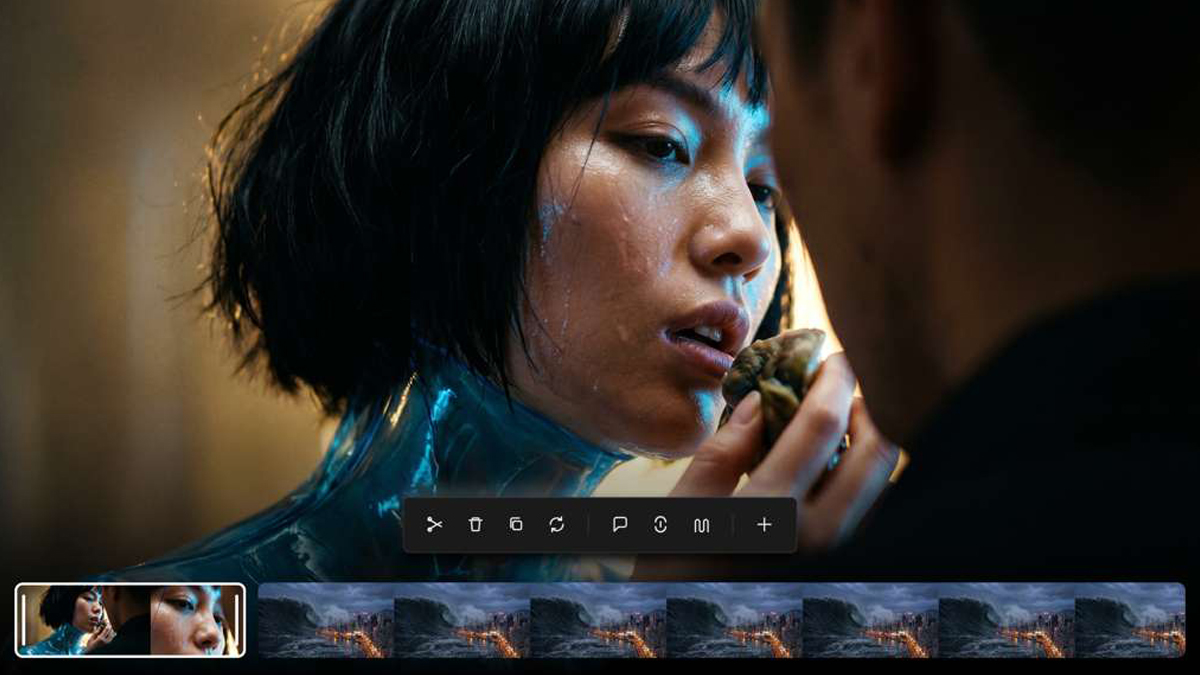
MUMBAI: Utopai Studios has announced a major upgrade to its PAI storytelling AI platform, introducing what it claims is an industry-first capability to generate three-minute videos in 4K resolution, alongside enhancements to its Story Agent feature.
The update, rolling out from April 15, expands the platform’s capabilities across the filmmaking process, from early concept development to post-production. The company said the new features are designed to help filmmakers maintain continuity across characters, scenes and visual styles, a key challenge in AI-driven storytelling.
At the heart of the release is a next-generation model that enables more structured narrative development, allowing creators to move more seamlessly from idea to execution. With tools such as multi-shot sequencing and multi-turn editing, the platform aims to give both studios and independent creators greater control over complex storytelling workflows.

Commenting on the launch, Utopai Studios co-founder and CTO Jie Yang said, “The next phase of AI in media will not be defined by isolated tools, but by systems that can carry story, continuity and collaboration across the full creative process.” He added that the update is a step towards enabling more practical, end-to-end narrative development at a professional level.
Echoing this, Utopai Studios co-founder and chief scientific officer Zijian He said, “Generative video is opening the door to a new production model, where creative ambition is less constrained by traditional cost and complexity.” He noted that the platform combines multimodal models with iterative editing to give creators more speed, control and consistency.
The company said PAI is already being used in professional film and television productions, particularly in Hollywood, for tasks such as pre-visualisation, scene design and post-production refinements. The latest update adds features including improved voice options, character consistency, unlimited editing and more flexible asset management.
Utopai also emphasised that its models are not trained on copyrighted material, positioning the platform as a cleaner alternative for creators and rights holders navigating the evolving AI landscape.
As AI continues to reshape content creation, Utopai’s latest push signals a shift from standalone tools to integrated systems, aiming to make high-quality filmmaking faster, more flexible and increasingly accessible.