I&B Ministry
DPIIT to issue clarification on capping FDI in digital media


MUMBAI: Amid certain stakeholders raise concern over government’s decision to allow 26 per cent FDI in digital media sector, the Department for Promotion of Industry and Internal Trade (DPIIT) is likely to issue a clarification soon on the same, Economic Times reported.
According to some stakeholders, the idea to cap FDI (foreign direct investment) in digital media sector to 26 per cent must be clarified by government as these stakeholders, who were looking to raise funds through FDI is now put on hold.
There are two main concerns stakeholders have raised and sought clarification: 1) How the FDI policy of the sector would treat news aggregators, and 2) what would happen to those digital media companies where overseas investment is over 26 per cent

Taking the views of the Information and Broadcasting Ministry on the issue, the DPIIT is expected to issue clarification shortly, Economic Times said quoting sources.
In this regard, Deloitte India partner Jehil Thakkar had said that the clarity needed was on how to treat cases of television broadcasters that stream news online, but are allowed 49 per cent FDI.
He questioned, “What happens to those, whether they qualify fewer than 26 per cent or 49 per cent (FDI)? What happens to news websites which are 100 per cent foreign entity?”




I&B Ministry
Govt extends TRP suspension for news channels by four weeks amid concerns
I&B ministry cites sensationalism fears linked to West Asia conflict coverage
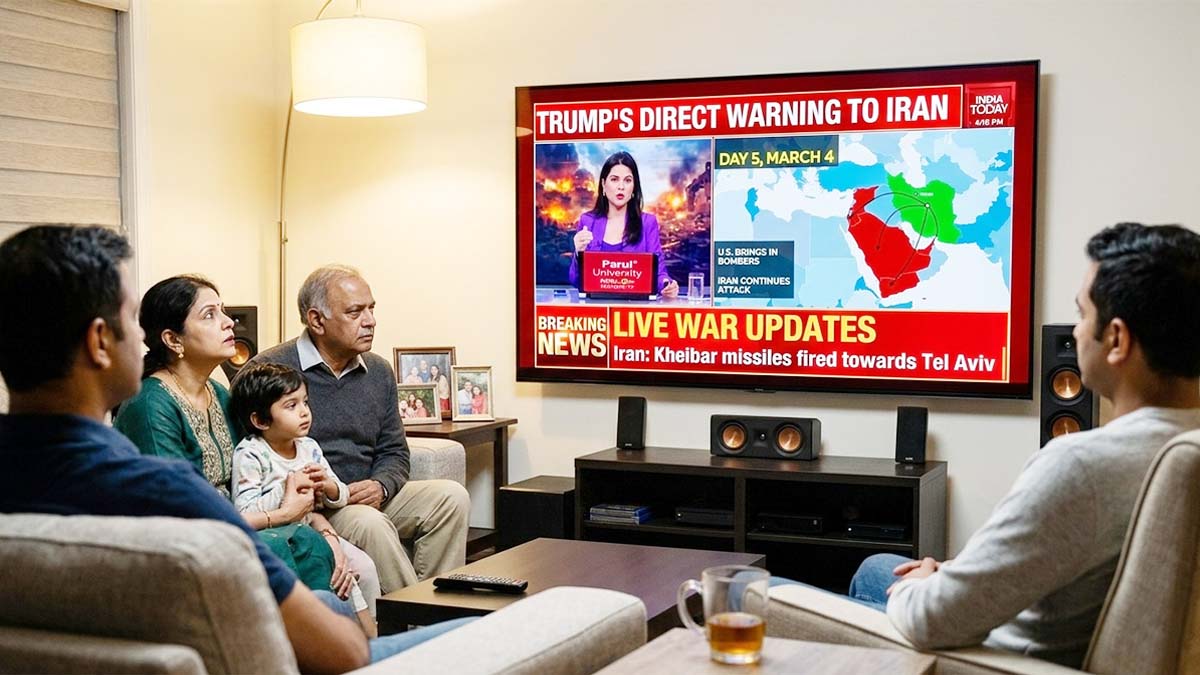
NEW DELHI: The Ministry of Information and Broadcasting has extended the suspension of Television Rating Points for news channels by another four weeks, keeping the industry in a ratings blackout for a longer stretch.
In an order dated March 31, the ministry directed the Broadcast Audience Research Council to continue withholding TRP data “for a further period of four weeks or until further directions, whichever is earlier.” This marks the second such directive after an initial four-week pause was imposed on March 6.
The government said the extension is aimed at curbing unwarranted sensationalism and speculative reporting, particularly in the context of the ongoing tensions in West Asia. It noted that the conflict continues to evolve and could trigger anxiety among viewers, especially those with personal or economic ties to the region.
TRPs serve as the primary yardstick for measuring television viewership and play a crucial role in shaping advertising revenues and competitive positioning among news broadcasters. Their absence effectively removes a key performance benchmark, forcing channels to operate without publicly available ratings.
The directive applies specifically to news television channels and has been issued under the government’s regulatory powers in the interest of public order. While the move is framed as a temporary measure, its continuation suggests ongoing concerns about the tone and nature of coverage.
For broadcasters, the extended blackout means navigating a high-stakes news cycle without the usual scoreboard. Whether it tempers the noise or simply shifts the battle elsewhere remains to be seen, but for now, the ratings race is officially on pause.






