Cable TV
Disappointed Assam cable ops to meet to decide on further agitation

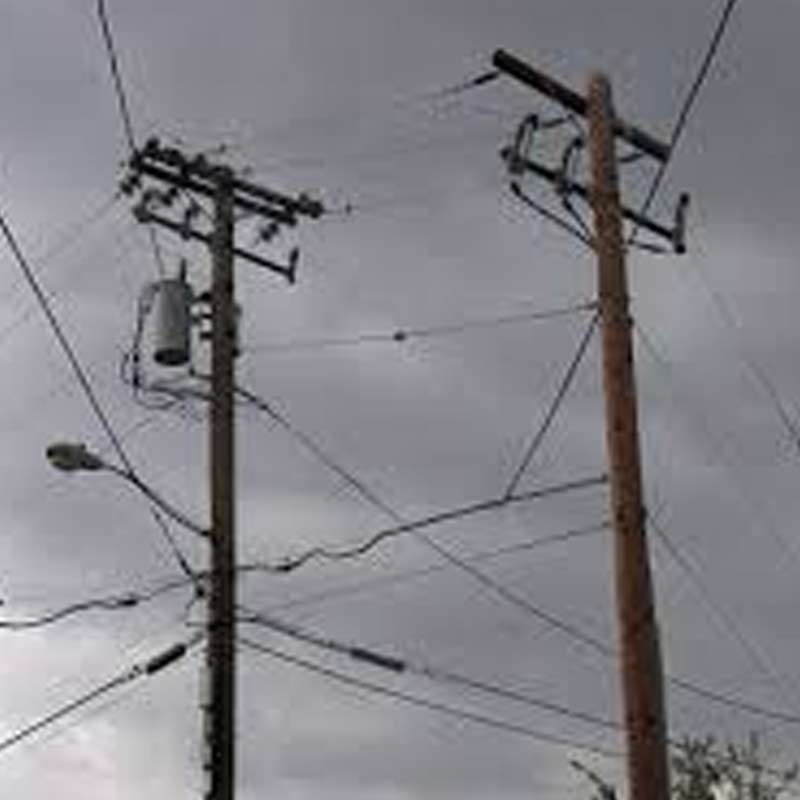
MUMBAI: A huge remonstration by the cable operators of Guwahati Metro seems to be in the coming. After all their measures to get a respite from the troubles that has come in their lives after the Assam Power Distribution Company Limited (APDCL) asked them to pay Rs 25 for the usage of poles failed, this seems to be the last rescue.
The troubled cable operators are now organising an all Assam cable operators meet on 29 December to decide the date for the next blackout. They will also decide the date for the meeting with Assam chief minister Tarun Gogoi.
The Greater Guwahati Cable TV Operators’ Association (GGCTOA) is disappointed with the outcome of the meeting with Assam Power Minister Pradyut Bordloi. On 24 December, a 10-member committee had met the minister to discuss the issue. The meeting was organised after the Assam Power Distribution Company Limited (APDCL) on 17 December issued a letter to the cable operators in Guwahati Metro to pay for the electric poles.

Another thing disturbing the operators is a newspaper announcement made by APDCL on 25 December. “The APDCL has issued a public notice, stating that the cable operators are not following the safety norms by laying cable wires on electric poles and also that the cable operators are not ready to pay for using the services of APDCL,” informs GGCTOA general secretary Md Iquebal Ahmed. “But, this is all false. We are abiding by the safety rules and also are ready to pay. Our demand is to reduce the fee from Rs 25 to Rs 8 – Rs 10. The issue of this notice has brought all our negotiations to zero,” he adds.
Earlier, on 23 December, the operators in order to show their discontent towards the decision of APDCL had already carried a blackout. The next blackout, the date for which is yet to be decided, will be due to the non-conclusive meeting with Bordloi and also the newspaper announcement made by APDCL.
“The minister has neither fully supported us, nor has gone against our demand. But, he has avoided any commitment,” remarks Ahmed.
Stating that APDCL is a private company, Bordloi told the cable operators that he cannot compel them to do anything. “I can only talk to them and put forth your demands to them,” is what the minister told the 10 member committee.
“This is not the response that we had expected,” says Ahmed.
While the blackout on Monday lasted for five hours, the next blackout will be for 12 hours. “We will decide the date in the meeting on 29 December. Our first attempt of blackout was successful and well supported by the consumers as well,” says Ahmed.
The cable operators may also go for a “dharna” as an option to ensure their voice is heard.




Cable TV
Hathway Cable appoints Gurjeev Singh Kapoor as CEO
Leadership change comes as cable TV faces shrinking subscriber base and modest earnings pressure
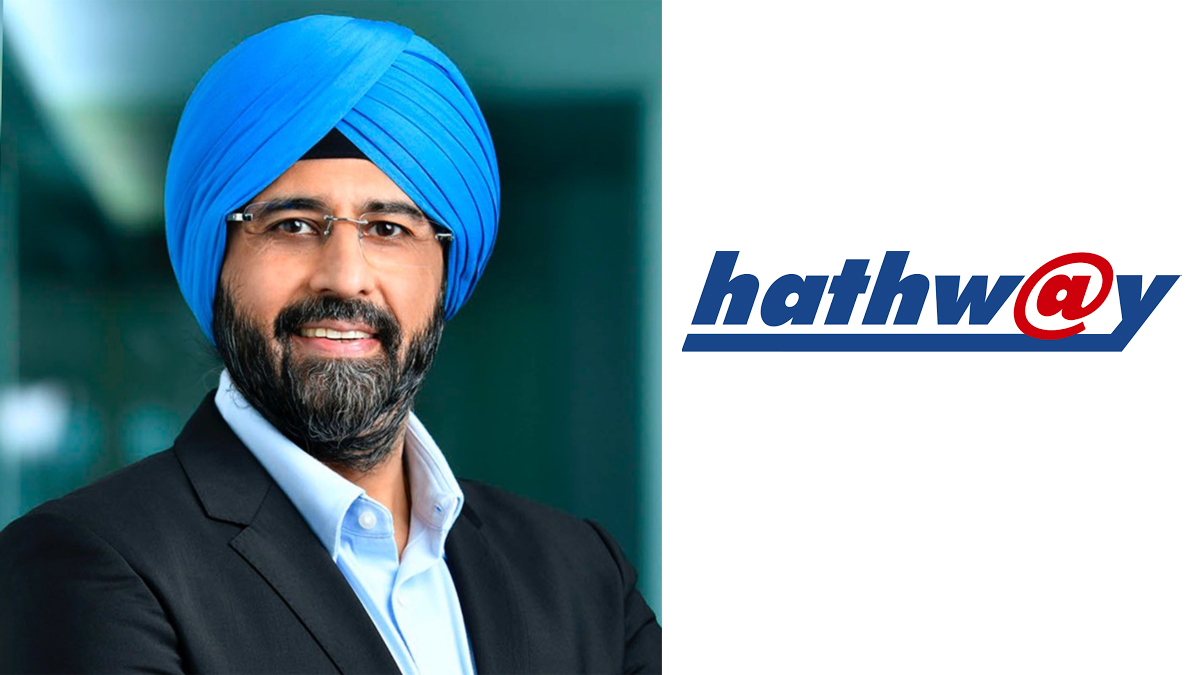
MUMBAI: Hathway Cable and Datacom has tapped industry veteran Gurjeev Singh Kapoor as chief executive officer, marking a leadership pivot at a time when India’s cable television business is under mounting strain.
Kapoor will take over from Tavinderjit Singh Panesar, who is set to retire in August after a long innings with the company. Panesar, chief executive since 2023, has held multiple leadership roles at Hathway, including his latest stint beginning in 2022.
Kapoor brings more than three decades of experience in media and entertainment. He most recently led distribution at The Walt Disney Company’s Star India business, now part of JioStar. His career spans television distribution and affiliate partnerships, with stints at Sony Pictures Networks India, Discovery Communications and Zee Entertainment.
Panesar, with over three decades in the industry, has worked across strategic planning, distribution and business development in media, broadcasting and manufacturing. His past associations include ESPN Star Sports, Star India, Apollo Tyres and JK Industries.
The transition lands as the cable sector grapples with structural disruption. Traditional operators are losing ground to streaming platforms, while telecom and broadband players tighten the squeeze with bundled offerings.
An EY report estimates India’s pay-TV base could shrink by a further 30 to 40 million households by 2030, taking the total down to 71 to 81 million. The slide follows a loss of nearly 40 million homes between 2018 and 2024, a contraction that has already wiped out more than 37,000 jobs in the local cable operator ecosystem.
Hathway’s numbers reflect the strain. The company reported a consolidated net profit of Rs 93 crore for FY25, down from Rs 99 crore a year earlier. Revenue inched up to Rs 2,040 crore from Rs 1,981 crore. As of December 2025, it had about 4.7 million cable TV subscribers and roughly 1.02 million broadband users.
Kapoor steps in with a familiar brief but a shrinking playbook. In a market where viewers are cutting cords faster than companies can reinvent them, the new chief executive inherits a business fighting to stay plugged in.






