Hindi
Dinesh Thakur passes away

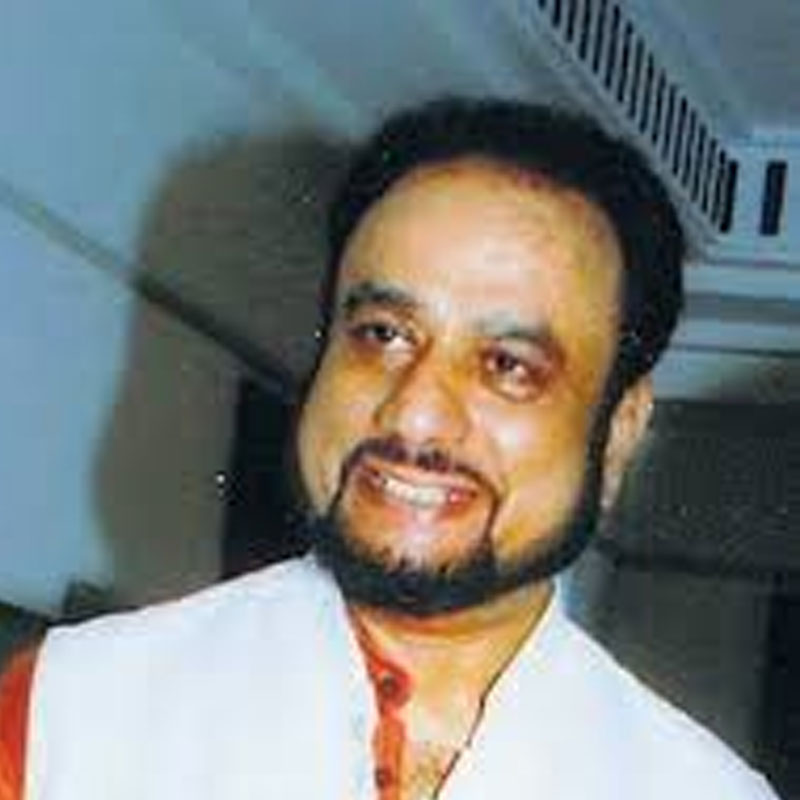
Mumbai: Veteran theatre actor-director Dinesh Thakur, known for his character roles in Hindi films, has passed away after a prolonged illness. The actor-director was suffering from kidney ailments. His end came at a suburban Andheri hospital.
Thakur acted in several acclaimed films like Mere Apne, Rajanigandha and Ghar. He appeared as one of the leads in the Basu Chatterjee directed film by Rajnigandha, which won both the Filmfare Best Movie Award and the Filmfare Critics Award for Best Film.
Thakur, who mostly appeared in character roles in Hindi films, was also a screenwriter and story writer. He is known for writing the story and screenplay of the 1978-made film Ghar that won him the 1979 Filmfare‘s best story award.

Thakur headed a theatre group called ANK Productions for the last three decades. His oldest and still popular theatre production has been Jis Lahore Nahi Dekhya.
He was a noted Indian theatre director, actor in theatre, television and Hindi films.
He was 65 and is survived by actor-wife Prita Mathur.
Thakur‘s last rites will be conducted on Thursday at the Oshiwara crematorium around 4.30 pm.


Hindi
Zee5 and Applause Entertainment team up for whodunnit ‘Everybody Loves Sohrab Handa’
Rajat Kapoor directs star-studded murder mystery streaming from 10 April.
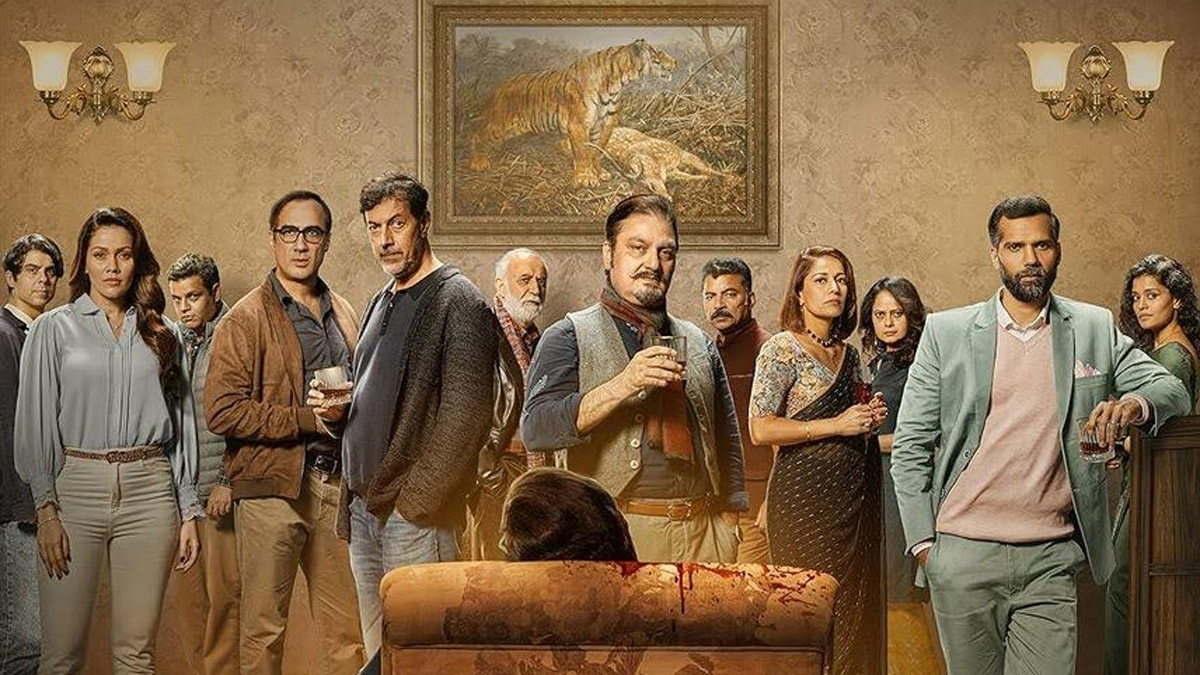
MUMBAI: Zee5 is serving up another killer collaboration and this time, the murder mystery comes with a generous side of dark humour and family dysfunction. The streaming platform has partnered with Applause Entertainment and Mithya Talkies to bring Everybody Loves Sohrab Handa, a fresh, twisted whodunnit written and directed by acclaimed filmmaker and actor Rajat Kapoor. The film will stream exclusively on Hindi Zee5 from 10 April.
The movie reimagines the classic murder mystery genre with a contemporary, darkly comic edge. It revolves around a group of friends and family who smile, drink, and celebrate together until the silence snaps and long-buried secrets spill out. The stellar ensemble cast includes Vinay Pathak, Ranvir Shorey, Waluscha De Sousa, Saurabh Shukla, Chandrachoor Rai, Neil Bhoopalam, Koel Purie, Palomi Ghosh, and Rajat Kapoor himself.
This latest offering continues the successful partnership between Zee5 and Applause Entertainment, which has previously delivered diverse hits such as Mithya, Bloody Brothers, and Jab Khuli Kitaab.
&TV Business Head of hindi Zee5 and chief channel officer Kaveri Das said, “Our collaboration with Applause Entertainment has consistently delivered distinct, high-impact storytelling. Everybody Loves Sohrab Handa is a natural progression, reinforcing our focus on genre-led content with a compelling whodunnit premise and a strong ensemble cast.”
Applause Entertainment business head for movies Sunil Chainani added, “This film adds yet another compelling layer to our slate with Rajat Kapoor’s unmistakable voice.”
Rajat Kapoor shared, “What interested me was not just the mechanics of a whodunnit, but the emotional violence that precedes physical violence. These are people who smile at each other, but there’s so much that is not said.”
The film promises razor-sharp writing, layered performances, and simmering tension, inviting viewers not just to solve the crime but to unravel the complex relationships at its heart.
If you love a good murder mystery served with wit and emotional depth, Everybody Loves Sohrab Handa looks set to be your next addictive watch. Mark your calendars, the whodunnit drops on Hindi Zee5 from 10 April.







