International
Die Hard sequel collects $10.1 million in first weekend

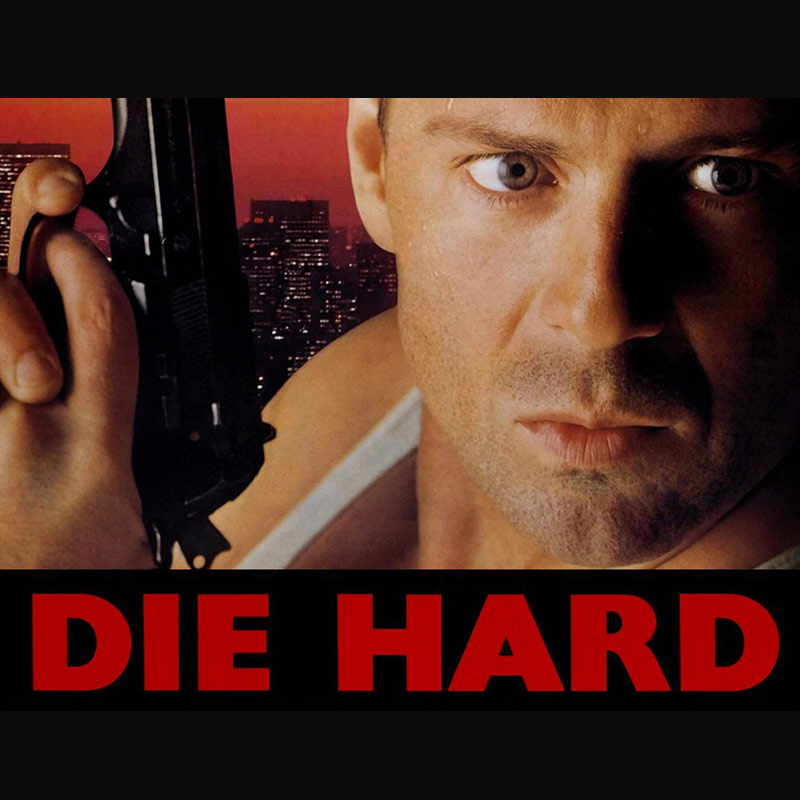
MUMBAI: Box-office receipts of 20th Century Fox‘s release of A Good Day To Die Hard, that was released in limited outlets, was the highlight of a sluggish session on the foreign theatrical circuit despite Sony‘s Django Unchained remaining No. 1 overseas for the fourth consecutive weekend.
Springing a jump on its US and Canada bow this week, the fifth installment of the action franchise starring Bruce Willis opened over the weekend in just seven Asian markets and managed to draw in $10.1 million at 1,102 locations for a per-screen average of over $9,000.
In South Korea, the opening take including previews was $4.2 million from 459 sites. The film set a Fox record in Indonesia and set a franchise record in Hong Kong ($1.2 million at 87 spots).

Over a 25-year span the four prior Die Hard titles all starring Willis have made money overseas grossing $694.6 million, while the second sequel of the franchise, 1995‘s Die Hard With A Vengeance roped in $264.5 million.
The 1988 original Die Hard drew $57.8 million in offshore box office, with the first sequel, 1990‘s Die Hard 2, grossing $122.5 million. The last sequel, 2007‘s Live Free or Die Hard, completed its foreign run with box office of $249.7 million.
Meanwhile, director Quentin Tarantino‘s Unchained collected $18.7 million from 5,280 locations in 65 markets. The action westerner co starring Jamie Foxx, Christoph Waltz and Leonardo Di Caprio that has acquired as many as five Oscar nominations, has grossed a total of $187.1 million since its opening.
In Germany, its best market, Unchained drew $3.9 million in its fourth round at 843 sites for a market total of $35.6 million while in France, the film has been at the No. 1 spot for four consecutive weeks with the latest weekend tally ($3.3 million) down around 33 per cent from that of the last weekend.



International
Russia-India cinematic spectacle Persimmon of My Love set for grand Moscow debut
Hindi cinema style musical revives Indo-Soviet cinema ties for today

MUMBAI: A new chapter in cross-border storytelling is set to unfold as Persimmon of My Love gears up for its premiere in Moscow on 1 April 2026, marking the first large-scale cinematic collaboration between Russia and India in decades.
Positioned as a modern nod to the cultural exchange that once brought Indian classics to Soviet audiences, the film blends Hindi cinema flair with Russian storytelling, aiming to rekindle a long-standing cinematic friendship.
Directed by Marius Weisberg, the musical comedy follows two brothers navigating a lively world of music, family and romance. The lead roles are played by Demis Karibidis and Mikhail Galustyan, with Karibidis also contributing as a screenwriter.
Shot entirely in India, the production leans heavily into Hindi cinema style spectacle. Filming took place across Mumbai studios and the cities of Udaipur and Jodhpur, whose architecture was used to create the fictional setting of Khurmada. A crew of over 350 worked on the project, with large-scale sequences featuring up to 1,000 extras.
The film also brings Indian creative talent into the mix. Dance sequences are choreographed by Jay Kumar, while music by Zurab Matua features songs in both Hindi and Russian, adding to its cross-cultural appeal.
Backed by TNT channel, MyWayStudio and the Russian Cinema Fund, the project reflects a broader push to strengthen cultural ties between the two countries.
With its mix of colour, comedy and cross-border collaboration, Persimmon of My Love is not just a film release but a reminder that cinema, much like music, travels well across borders.








